







01
2025
-
03
The Essential Guide to Running Wear: Features and Certifications You Need to Know
Author:
Running wear plays a vital role in enhancing performance, comfort, and safety for runners. As the sport continues to grow in popularity, so does the variety of specialized clothing designed to meet the unique demands of running. Understanding the key features and certifications of running wear can help athletes make informed choices that optimize their running experience. One of the most critical
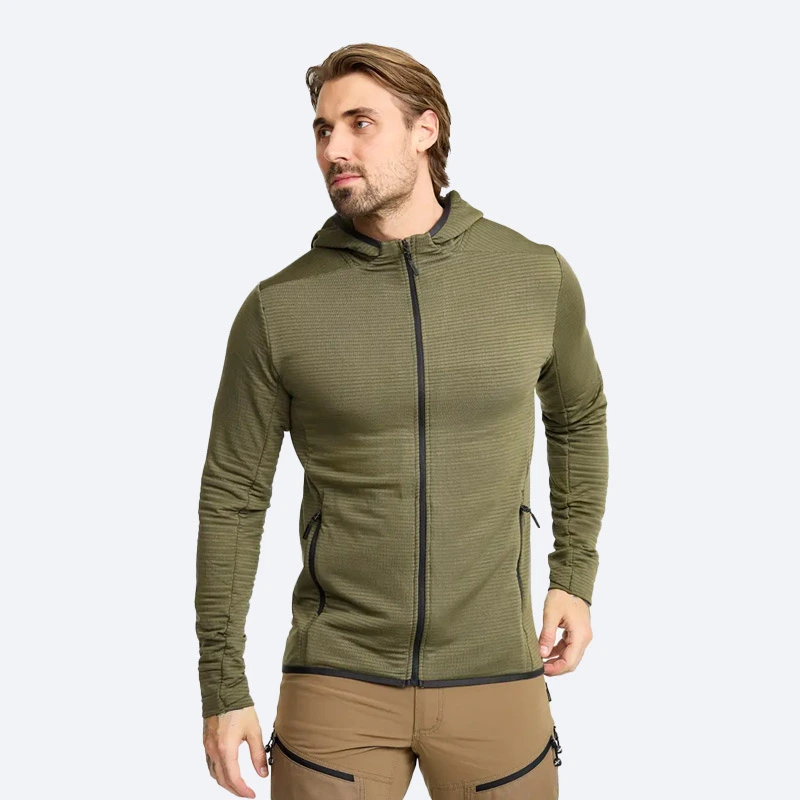
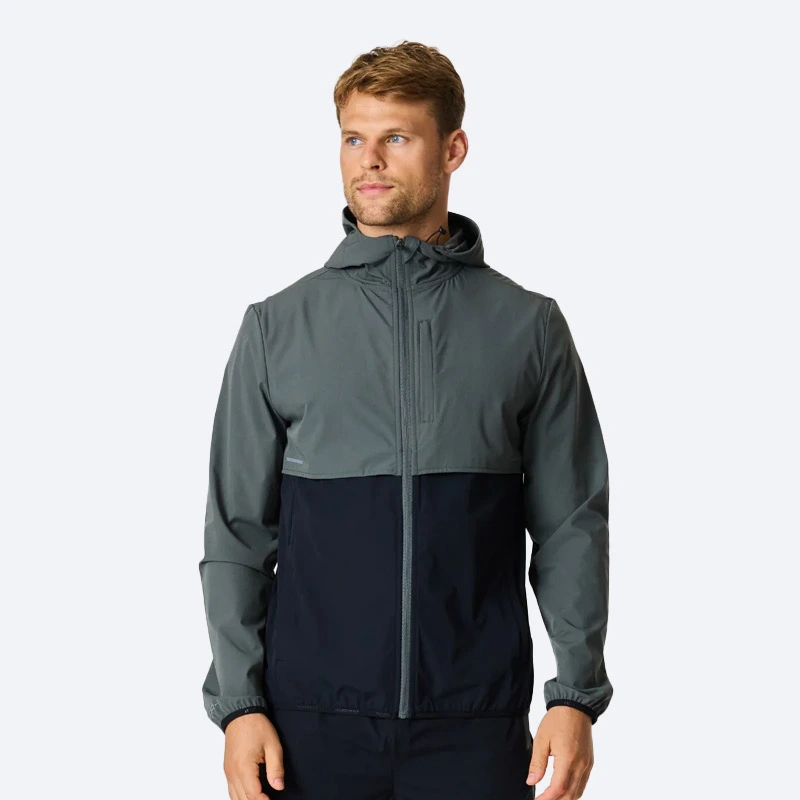
Running wear plays a vital role in enhancing performance, comfort, and safety for runners. As the sport continues to grow in popularity, so does the variety of specialized clothing designed to meet the unique demands of running. Understanding the key features and certifications of running wear can help athletes make informed choices that optimize their running experience.
One of the most critical aspects of running wear is its fabric technology. High-performance running apparel typically incorporates moisture-wicking materials that pull sweat away from the skin, keeping runners dry and comfortable. Fabrics such as polyester and nylon blends are commonly used due to their lightweight, breathable qualities. Additionally, many brands are now focusing on eco-friendly materials, offering products made from recycled fabrics without compromising on performance.
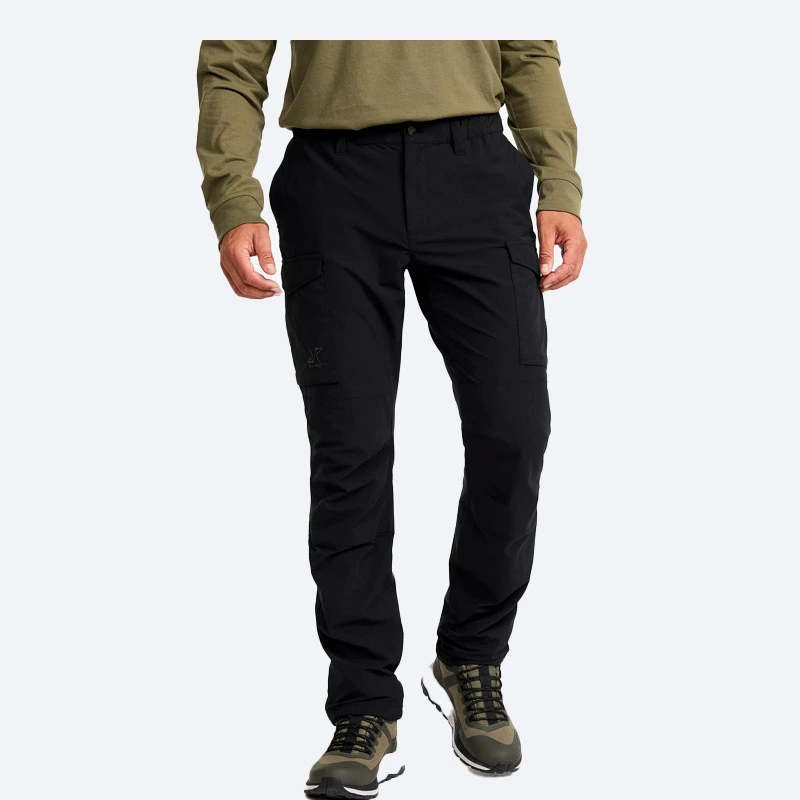
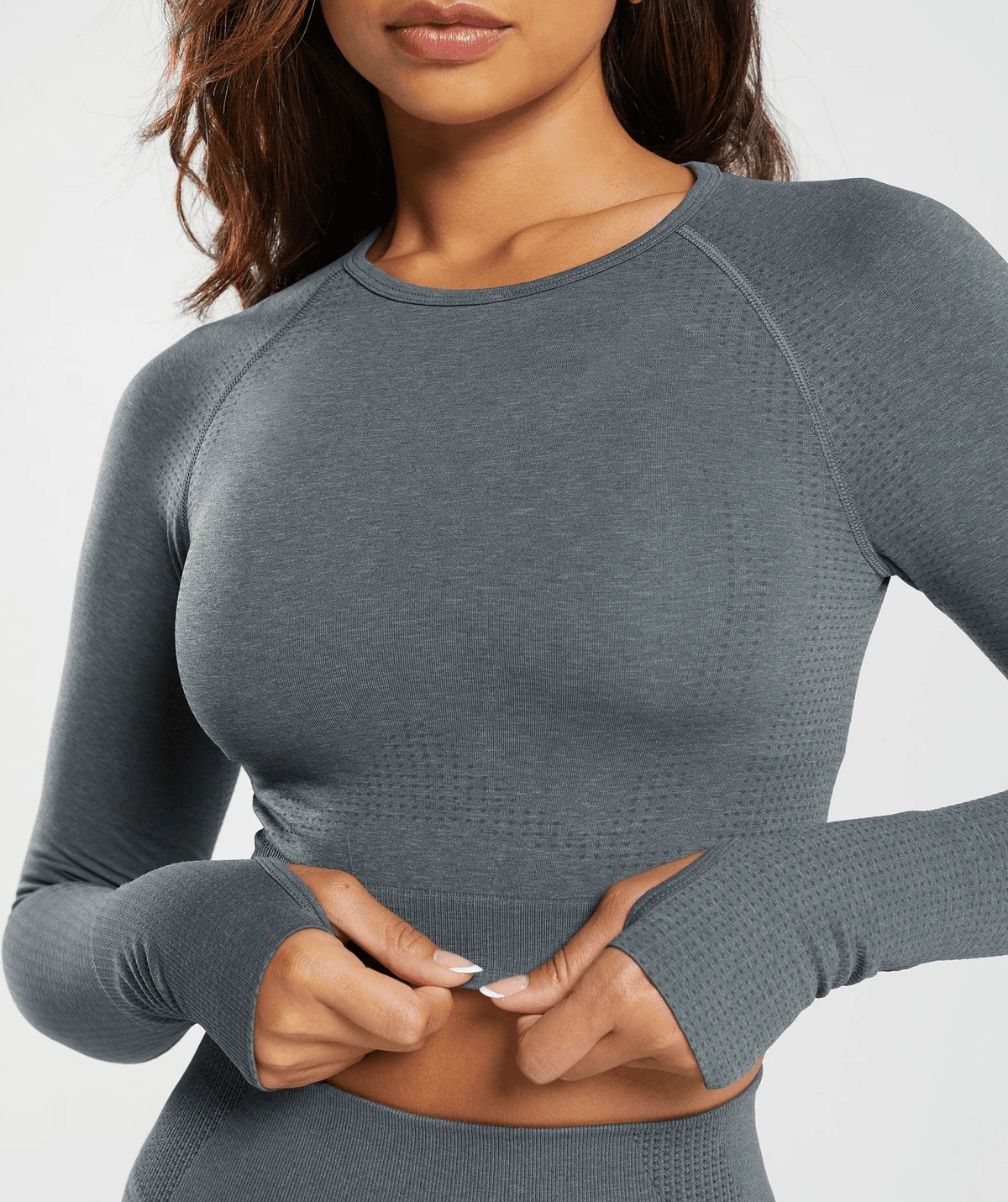
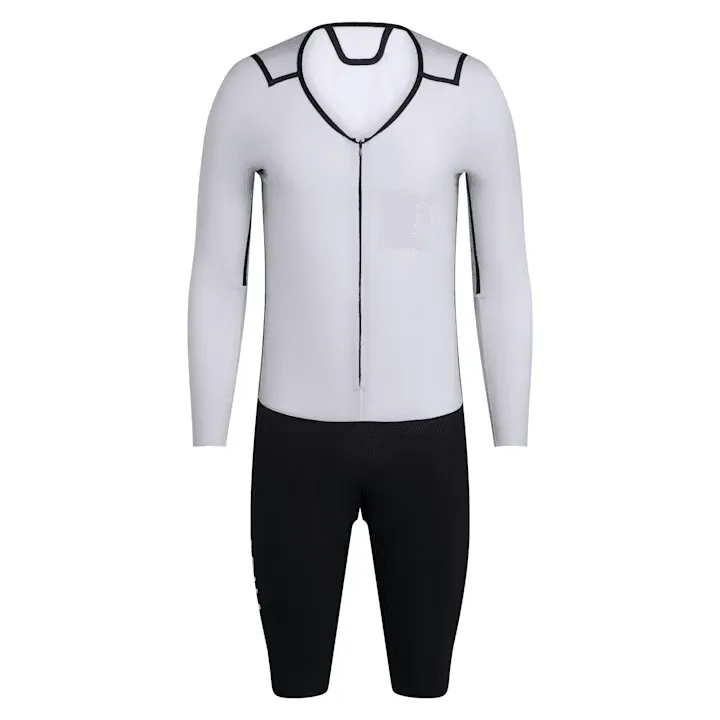
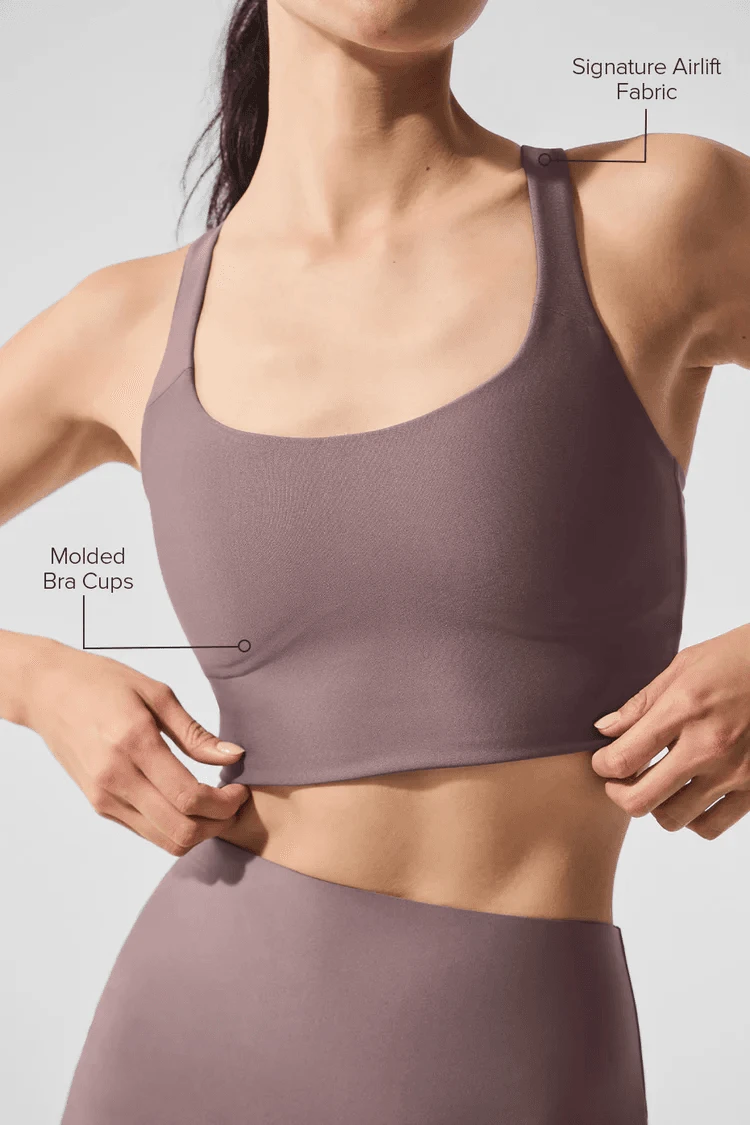
Another essential feature of running wear is its fit and ergonomics. Clothing that is too loose can create drag, while gear that is too tight may restrict movement. Many manufacturers have started to design apparel with ergonomic seams and four-way stretch fabrics to provide a balance between snugness and freedom of movement. This attention to fit not only enhances performance but also reduces the risk of chafing and discomfort during long runs.
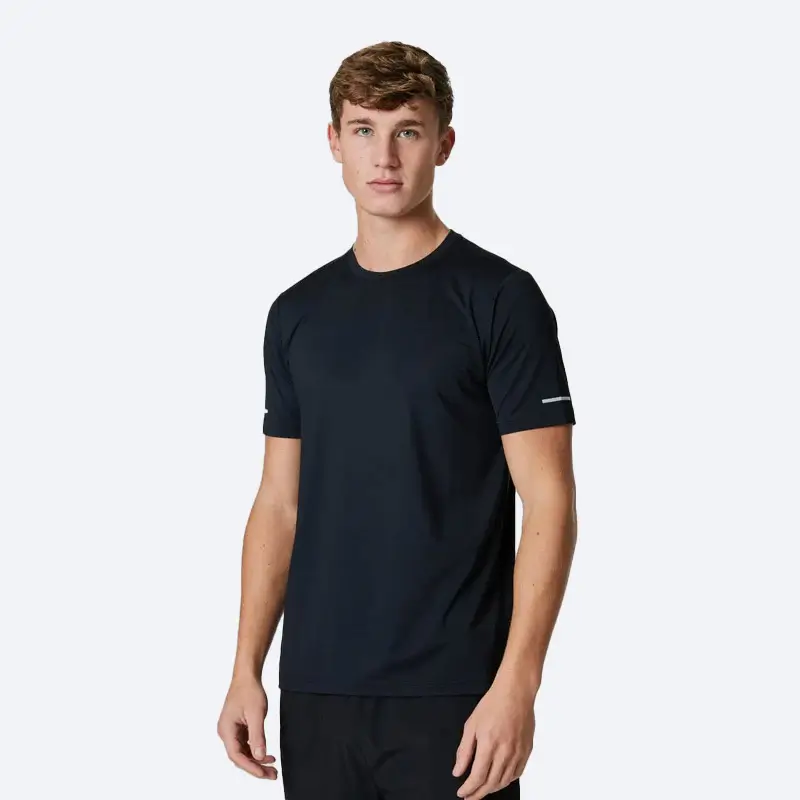
When it comes to safety, reflective elements are an increasingly important feature in running wear. With many runners training during early morning or late evening hours, visibility becomes crucial. Running apparel now often includes reflective strips or detailing that increase visibility in low-light conditions, helping to keep runners safe from traffic and other hazards.
In addition to features, certifications also play a significant role in the quality of running wear. For instance, the Global Organic Textile Standard (GOTS) certifies that textiles meet organic farming requirements, which can be an essential consideration for environmentally conscious consumers. Similarly, certifications from organizations like OEKO-TEX guarantee that the clothing is free from harmful substances, ensuring the safety of athletes against skin irritations and allergies.
Moreover, many brands are beginning to incorporate antimicrobial treatments into their garments. These treatments help to prevent the growth of bacteria and fungi, keeping the apparel fresher for longer periods, even during intense workouts. This feature is particularly beneficial for runners who may wear the same gear multiple times a week.
In conclusion, choosing the right running wear involves understanding its key features, such as fabric technology, fit, safety elements, and certifications. By prioritizing these aspects, runners can enhance their performance, comfort, and overall experience on the track. As the market continues to evolve, staying informed about the latest advancements in running wear will ensure that athletes can make the best choices for their needs.
One of the most critical aspects of running wear is its fabric technology. High-performance running apparel typically incorporates moisture-wicking materials that pull sweat away from the skin, keeping runners dry and comfortable. Fabrics such as polyester and nylon blends are commonly used due to their lightweight, breathable qualities. Additionally, many brands are now focusing on eco-friendly materials, offering products made from recycled fabrics without compromising on performance.
Another essential feature of running wear is its fit and ergonomics. Clothing that is too loose can create drag, while gear that is too tight may restrict movement. Many manufacturers have started to design apparel with ergonomic seams and four-way stretch fabrics to provide a balance between snugness and freedom of movement. This attention to fit not only enhances performance but also reduces the risk of chafing and discomfort during long runs.
When it comes to safety, reflective elements are an increasingly important feature in running wear. With many runners training during early morning or late evening hours, visibility becomes crucial. Running apparel now often includes reflective strips or detailing that increase visibility in low-light conditions, helping to keep runners safe from traffic and other hazards.
In addition to features, certifications also play a significant role in the quality of running wear. For instance, the Global Organic Textile Standard (GOTS) certifies that textiles meet organic farming requirements, which can be an essential consideration for environmentally conscious consumers. Similarly, certifications from organizations like OEKO-TEX guarantee that the clothing is free from harmful substances, ensuring the safety of athletes against skin irritations and allergies.
Moreover, many brands are beginning to incorporate antimicrobial treatments into their garments. These treatments help to prevent the growth of bacteria and fungi, keeping the apparel fresher for longer periods, even during intense workouts. This feature is particularly beneficial for runners who may wear the same gear multiple times a week.
In conclusion, choosing the right running wear involves understanding its key features, such as fabric technology, fit, safety elements, and certifications. By prioritizing these aspects, runners can enhance their performance, comfort, and overall experience on the track. As the market continues to evolve, staying informed about the latest advancements in running wear will ensure that athletes can make the best choices for their needs.
Running Wear




Whatsapp/Phone
Email(Terry)
Email:
Address
No.926 NanHuan Road,ChangTai Street,LiCheng District,Quanzhou,FuJian,China.