








16
2025
-
03
Elevate Your Workout: The Best Running Wear for Every Season
Author:
Elevate Your Workout: The Best Running Wear for Every Season In the world of running, having the right gear can make a significant difference in performance, comfort, and overall enjoyment. Whether you’re a seasoned marathoner or a casual jogger, understanding the best running wear for every season is crucial for maximizing your workout experience. This comprehensive guide delves into essential ge
Elevate Your Workout: The Best Running Wear for Every Season
In the world of running, having the right gear can make a significant difference in performance, comfort, and overall enjoyment. Whether you’re a seasoned marathoner or a casual jogger, understanding the best running wear for every season is crucial for maximizing your workout experience. This comprehensive guide delves into essential gear, material choices, and tips to help you stay comfortable and motivated year-round.
Table of Contents
- 1. Spring Running Wear: Embracing the Transition
- 2. Summer Running Wear: Beat the Heat
- 3. Fall Running Wear: Layering for Cool Weather
- 4. Winter Running Wear: Staying Warm and Dry
- 5. Key Materials for Running Apparel
- 6. Essential Accessories for Every Season
- 7. Care Tips for Your Running Gear
- 8. Conclusion: Elevate Your Running Experience
1. Spring Running Wear: Embracing the Transition
As the chill of winter fades and nature begins to bloom, spring offers a unique running climate that can be both invigorating and challenging. Choosing the right attire for spring is essential for comfort during variable temperatures and occasional rain showers.
Lightweight Layers for Versatility
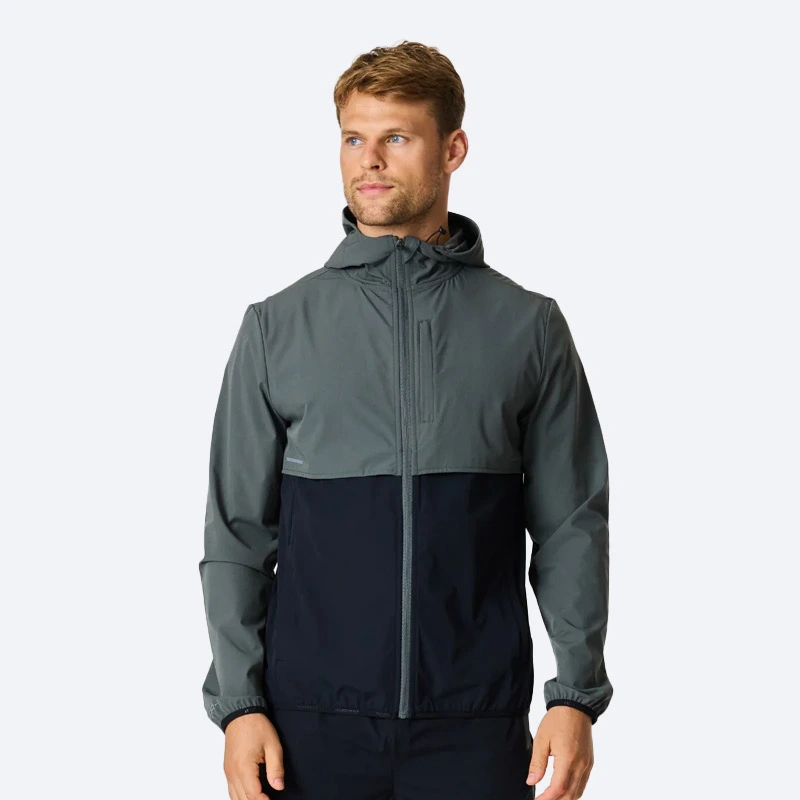
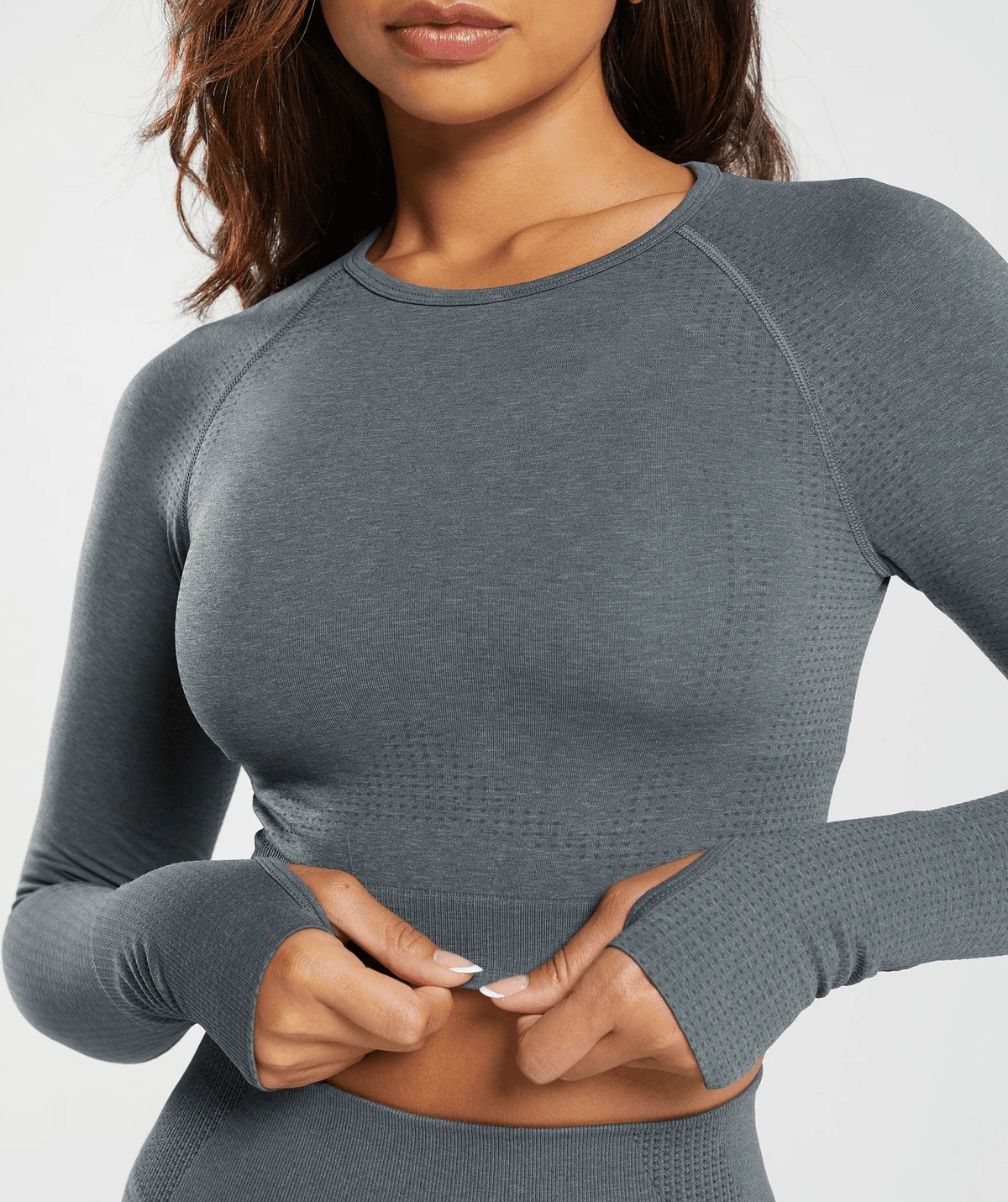
Opt for lightweight, moisture-wicking base layers that can be easily added or removed. Look for running shirts with long sleeves made from breathable fabrics that help regulate body temperature. A versatile running jacket can be a great addition, providing protection against wind and light rain.
Leggings and Capris for Comfort
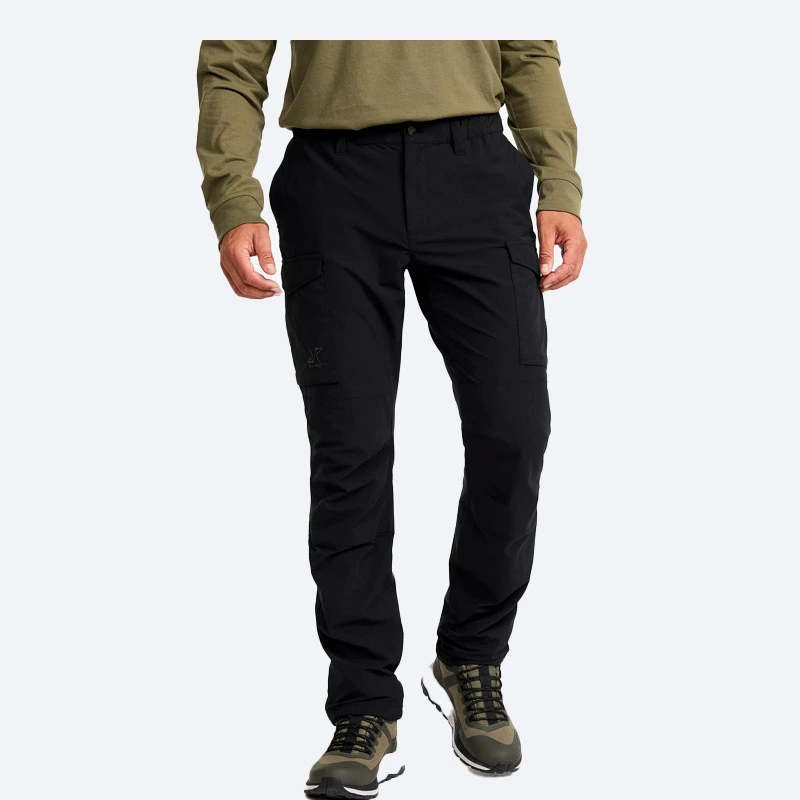
Choose capris or lightweight leggings that offer warmth without overheating. Look for styles with reflective elements for visibility on overcast days, ensuring safety during your evening runs.
2. Summer Running Wear: Beat the Heat
Summer running can be demanding due to high temperatures and humidity. The right clothing can keep you cool, dry, and comfortable as you enjoy those long, sunny runs.
Breathable Fabrics are Key
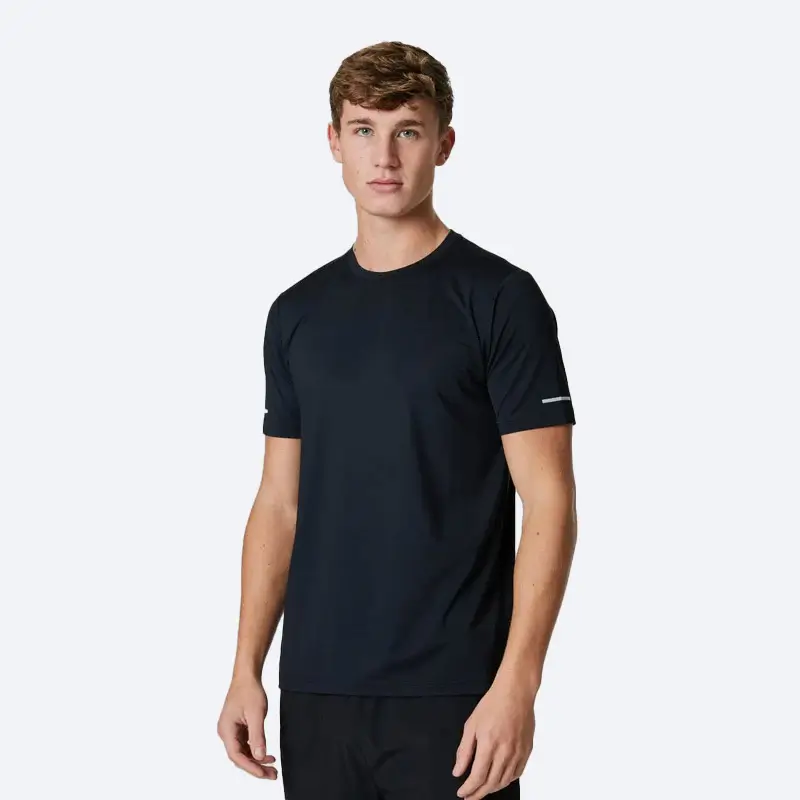
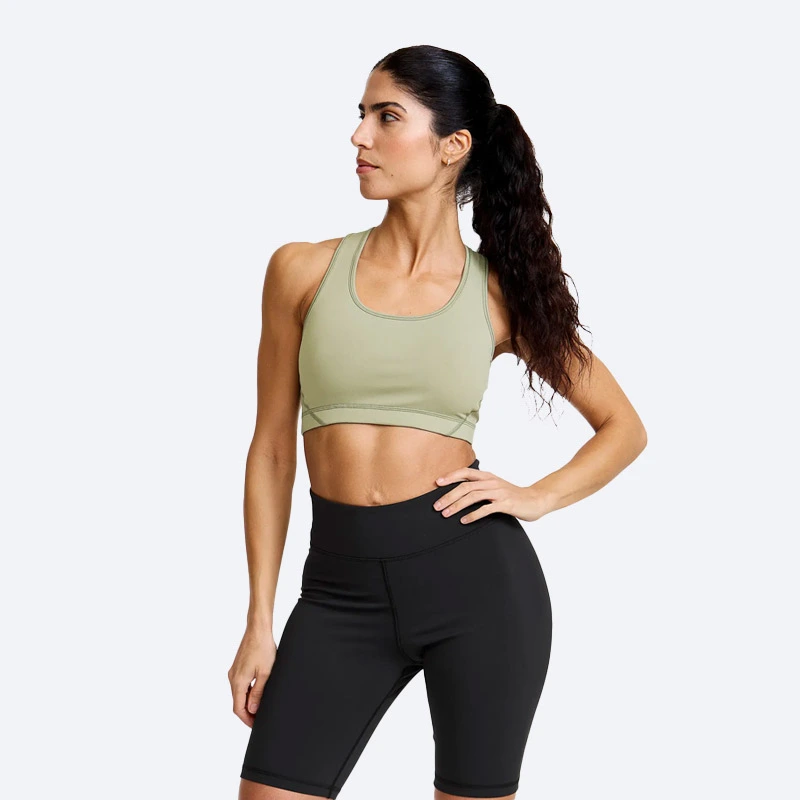
During the summer, lightweight, breathable fabrics are your best friends. Look for running wear made from polyester or nylon blends that wick sweat away from your skin. Additionally, consider tank tops and short-sleeve shirts to enhance airflow and reduce heat retention.
Shorts and Lightweight Bottoms
Running shorts or lightweight leggings designed for warmer weather are essential. Make sure they have moisture-wicking capabilities and a comfortable waistband to prevent chafing.
3. Fall Running Wear: Layering for Cool Weather
As temperatures begin to dip in the fall, layering becomes essential for comfort and performance. The key is to stay warm while allowing freedom of movement.
Base Layers and Performance Fabrics
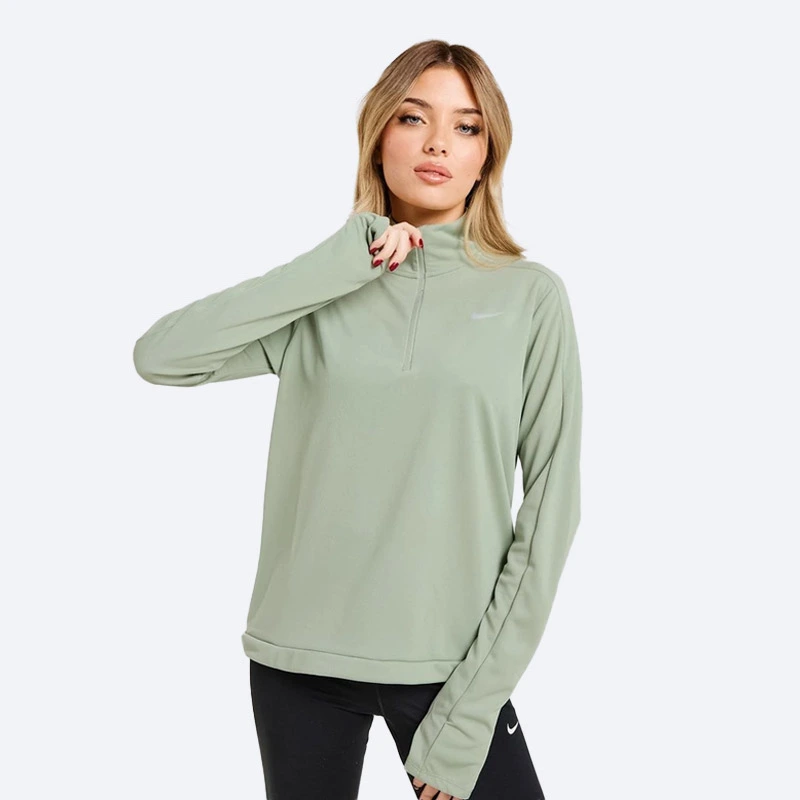
Start with a moisture-wicking base layer to maintain body heat while managing sweat. Choose long-sleeve shirts or light thermal tops that provide warmth without bulk.
Insulating Outer Layers
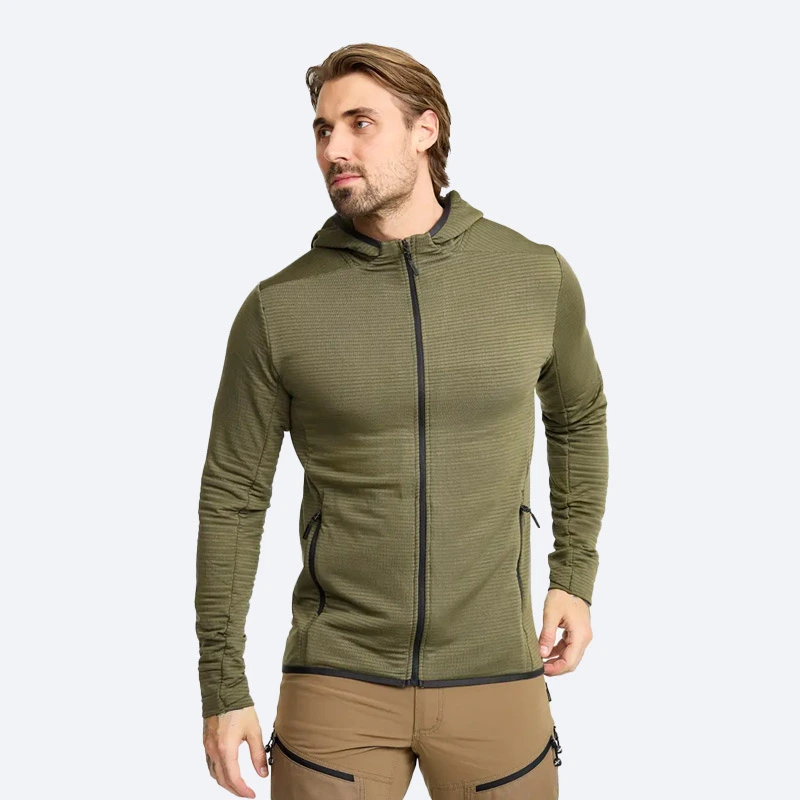
Add an insulating layer, such as a fleece or a light jacket, that can be easily removed if you start to overheat. Look for wind-resistant materials to protect against chilly breezes.
4. Winter Running Wear: Staying Warm and Dry
Winter running presents its own set of challenges. Staying warm while avoiding overheating is crucial during colder months.
Thermal Layers for Warmth
Invest in thermal long-sleeve tops and bottoms that retain heat without adding excessive bulk. Look for fabrics that provide insulation while offering breathability.
Weather-Resistant Outer Gear
A quality winter running jacket should be windproof and waterproof to protect against elements like snow and rain. Choose jackets with high visibility features, such as reflective strips, to ensure safety during shorter daylight hours.
Accessorizing for the Cold
Don’t forget the importance of accessories like beanies, gloves, and thermal socks. These items help to keep extremities warm and comfortable throughout your run.
5. Key Materials for Running Apparel
Understanding the materials used in running apparel is crucial for making informed choices. The right fabrics can enhance performance while maintaining comfort and durability.
Moisture-Wicking Fabrics
Materials like polyester, nylon, and merino wool are excellent for moisture management. They wick sweat away from the body, helping to keep you dry during intense workouts.
Breathable Mesh Panels
Look for running wear that incorporates breathable mesh panels, particularly in areas that tend to retain heat, such as under the arms and down the sides of shirts and shorts. This feature enhances airflow and comfort during your runs.
Stretchy and Flexible Materials
Materials with added stretch, such as spandex, allow for freedom of movement essential for runners. This flexibility is crucial for comfort during long-distance runs, enabling a full range of motion.
6. Essential Accessories for Every Season
Along with the primary running wear, accessories play a significant role in enhancing your overall experience and performance.
Hydration Gear
Staying hydrated is essential for any runner. Hydration packs, belts, or handheld water bottles can help you maintain optimal hydration levels, especially during long runs in hotter weather.
Running Shoes
A good pair of running shoes tailored to your foot type and running style is critical. Consider factors such as cushioning, stability, and terrain when selecting your shoes.
Smart Technology
Wearable technology, such as fitness trackers and running apps, can help monitor your performance and progress. These tools provide valuable insights into your workouts and can enhance motivation.
7. Care Tips for Your Running Gear
Proper care for your running apparel ensures longevity and performance. Here are some essential care tips:
Washing Your Gear
Always check the care labels on your running clothes. Generally, it’s best to wash them in cold water with mild detergent and avoid fabric softeners that can clog moisture-wicking properties.
Drying Techniques
Air drying is recommended for most running gear to prevent shrinkage and maintain the integrity of the fabric. If using a dryer, opt for a low heat setting to protect your gear.
Regular Inspections
Regularly inspect your running wear for signs of wear and tear. Look for fraying seams or fading colors, as these can indicate that it’s time for replacements.
8. Conclusion: Elevate Your Running Experience
Choosing the best running wear for every season is essential for enhancing your workout experience. By understanding the specific needs for each season, selecting the right materials, and caring for your gear properly, you can elevate your running journey. Remember that comfort and performance go hand in hand, and investing in high-quality running apparel will pay off in your overall fitness and enjoyment. With the right gear, you can conquer any season and keep your running routine consistent and enjoyable.
FAQs
1. What should I wear for running in hot weather?
In hot weather, opt for lightweight, moisture-wicking fabrics such as polyester or nylon. Choose tank tops or short sleeves and running shorts to stay cool and comfortable.
2. How can I prevent chafing during runs?
To prevent chafing, ensure you wear moisture-wicking clothing, and consider using anti-chafe balms on areas prone to friction. Properly fitting gear also helps.
3. Are there specific shoes I should wear for different seasons?
Yes, it's beneficial to have specialized shoes for different terrains and seasons. Lightweight shoes are ideal for summer, while more insulated options may be necessary for winter conditions.
4. How do I care for my running clothes?
Wash your running clothes in cold water and avoid fabric softeners. Air drying is recommended to maintain the fabric's effectiveness and prevent shrinkage.
5. What are the benefits of wearing layers while running?
Wearing layers allows you to adjust your clothing as temperatures change during your run, helping to keep you comfortable and preventing overheating or getting too cold.
Running Wear



Whatsapp/Phone
Email(Terry)
Email:
Address
No.926 NanHuan Road,ChangTai Street,LiCheng District,Quanzhou,FuJian,China.