








05
2025
-
04
The Best Jogging Clothes for Ultimate Comfort: A Comprehensive Guide
Author:
The Best Jogging Clothes for Ultimate Comfort: A Comprehensive Guide Table of Contents 1. Introduction to Jogging Attire 2. The Importance of Comfort in Jogging Clothes 3. Key Materials for Jogging Clothes 4. Essential Jogging Clothing Pieces 5. Tips for Choosing the Right Jogging Clothes 6. Accessories That Enhance Jogging Comfort 7. Caring for Your Jogging Clothes
The Best Jogging Clothes for Ultimate Comfort: A Comprehensive Guide
Table of Contents
- 1. Introduction to Jogging Attire
- 2. The Importance of Comfort in Jogging Clothes
- 3. Key Materials for Jogging Clothes
- 4. Essential Jogging Clothing Pieces
- 5. Tips for Choosing the Right Jogging Clothes
- 6. Accessories That Enhance Jogging Comfort
- 7. Caring for Your Jogging Clothes
- 8. Conclusion
- 9. FAQs
1. Introduction to Jogging Attire
Jogging is more than just a physical activity; it’s a delightful escape, a personal challenge, and a chance to connect with nature. The right **jogging clothes** can significantly enhance your experience, ensuring that every stride is comfortable and enjoyable. This guide will walk you through everything you need to know about selecting the best jogging attire.
2. The Importance of Comfort in Jogging Clothes
When it comes to jogging, comfort is paramount. The ideal clothing should allow for free movement without restrictions. Here’s why comfort should be your top priority:
2.1 Enhancing Performance
Comfortable joggers generally perform better. When you're not distracted by chafing or tightness, you can focus on your pace and rhythm.
2.2 Temperature Regulation
The right clothes help regulate body temperature, keeping you warm during chilly mornings and cool during warm afternoons. This balance is crucial to preventing overheating and maintaining peak performance.
2.3 Boosting Motivation
Wearing clothes that make you feel good can significantly boost your motivation. Stylish, well-fitted jogging attire can inspire you to lace up your shoes and hit the pavement.
3. Key Materials for Jogging Clothes
Selecting the right materials can make a world of difference in your jogging experience. Here are some of the most suitable fabric options:
3.1 Moisture-Wicking Fabrics
These fabrics draw sweat away from your skin, keeping you dry and comfortable. Look for options like polyester and nylon blends, which are lightweight and breathable.
3.2 Breathable Mesh
Mesh panels are excellent for ventilation, allowing air to circulate and keeping you cool during extended runs. This is especially important in warmer climates.
3.3 Stretchable Materials
Incorporating materials that provide a bit of stretch, like spandex, can enhance your range of motion, allowing you to run freely.
4. Essential Jogging Clothing Pieces
Now that we have established the importance of materials, let’s delve into the essential pieces of jogging attire.
4.1 Jogging Tops
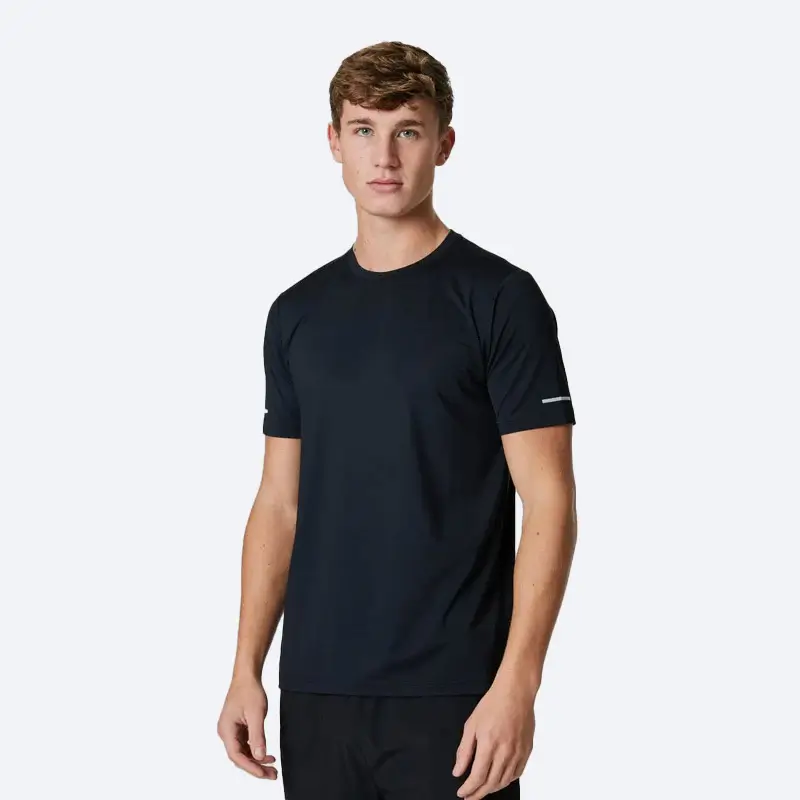
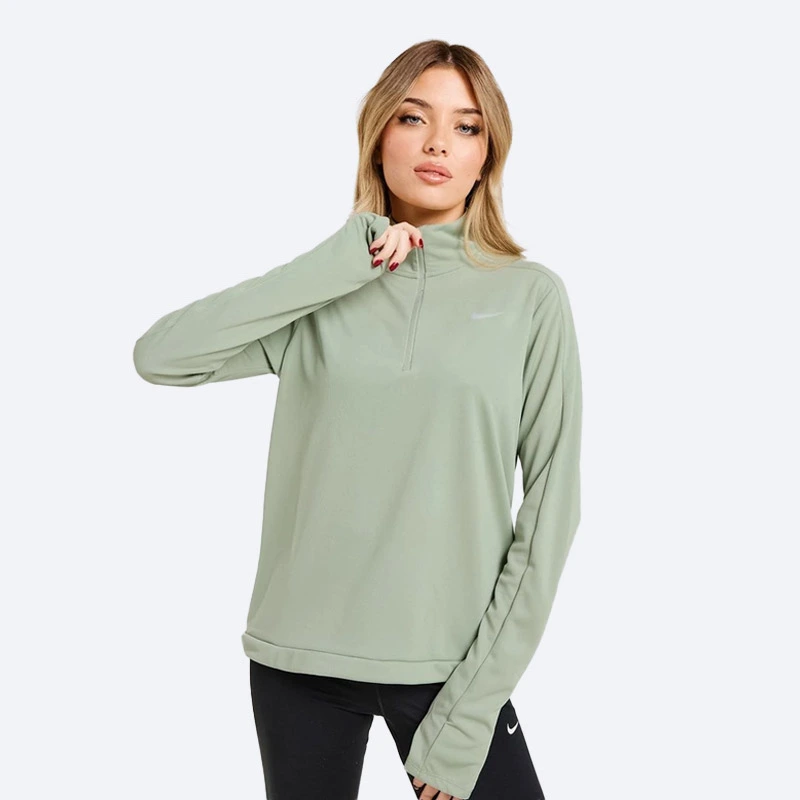
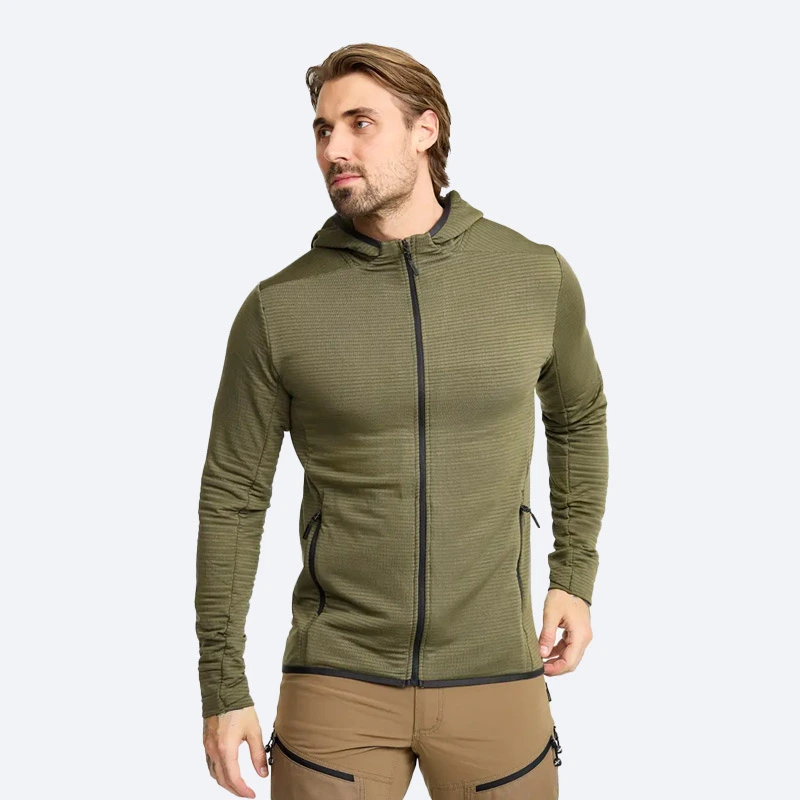
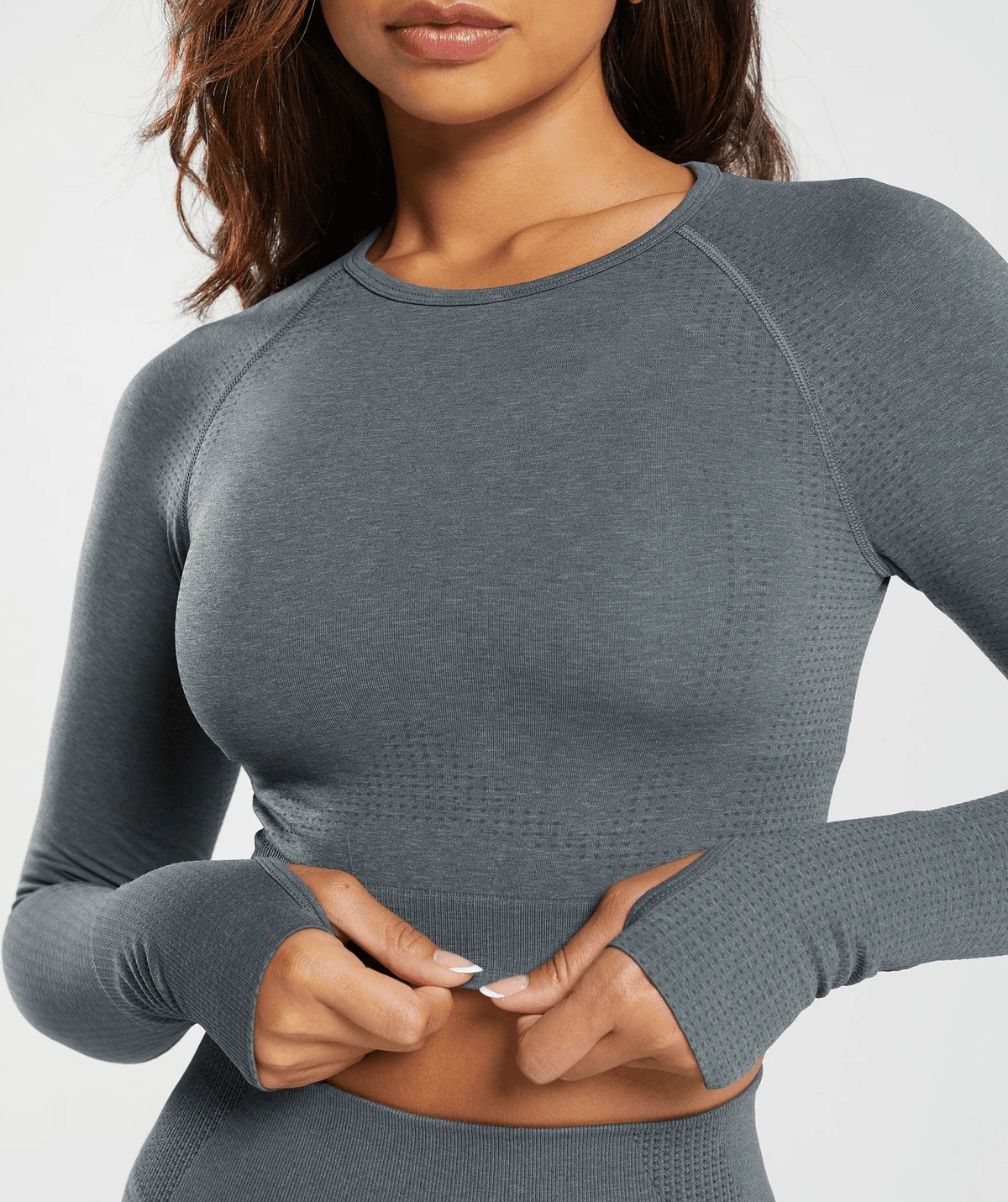
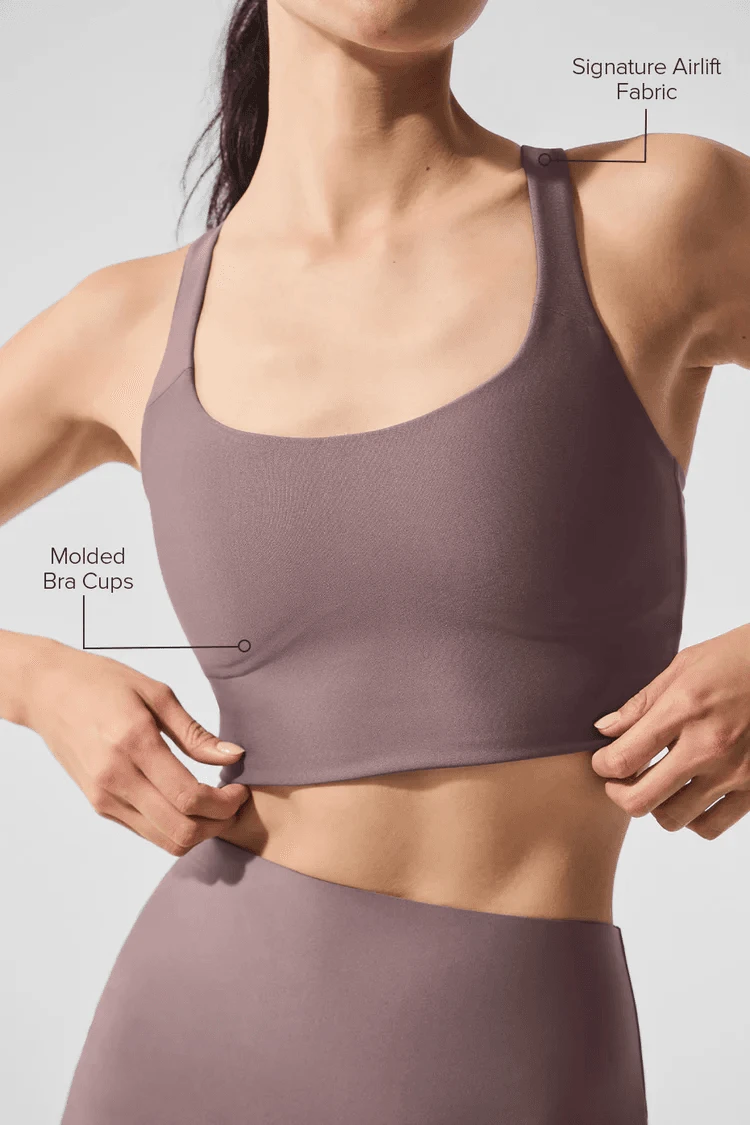
Whether you prefer short sleeves, long sleeves, or tank tops, choose tops that are lightweight and breathable. Look for features such as flat seams to minimize chafing and reflective details for safety during low-light conditions.
4.2 Jogging Bottoms
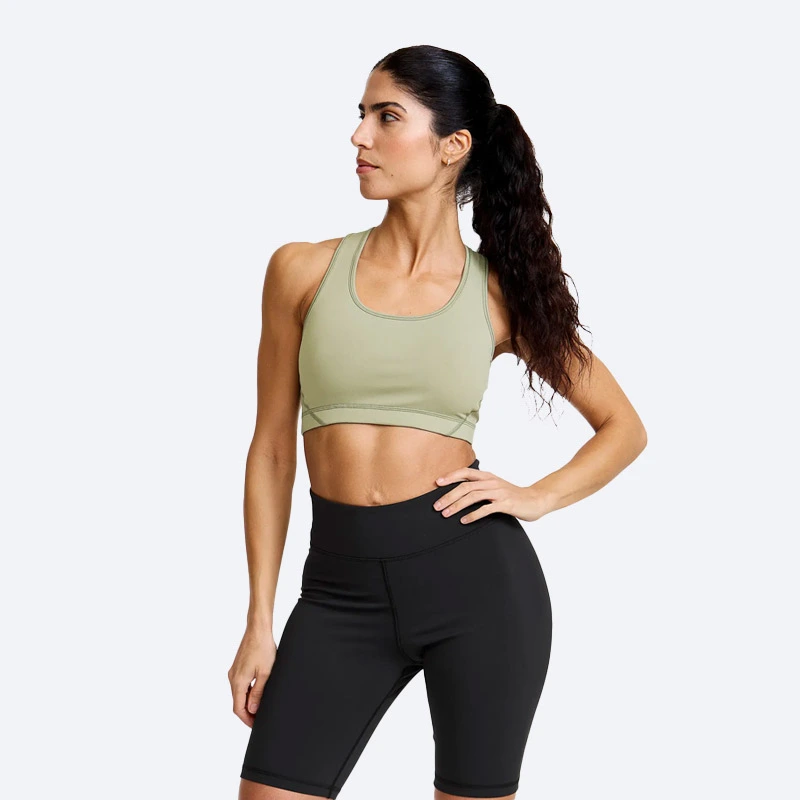
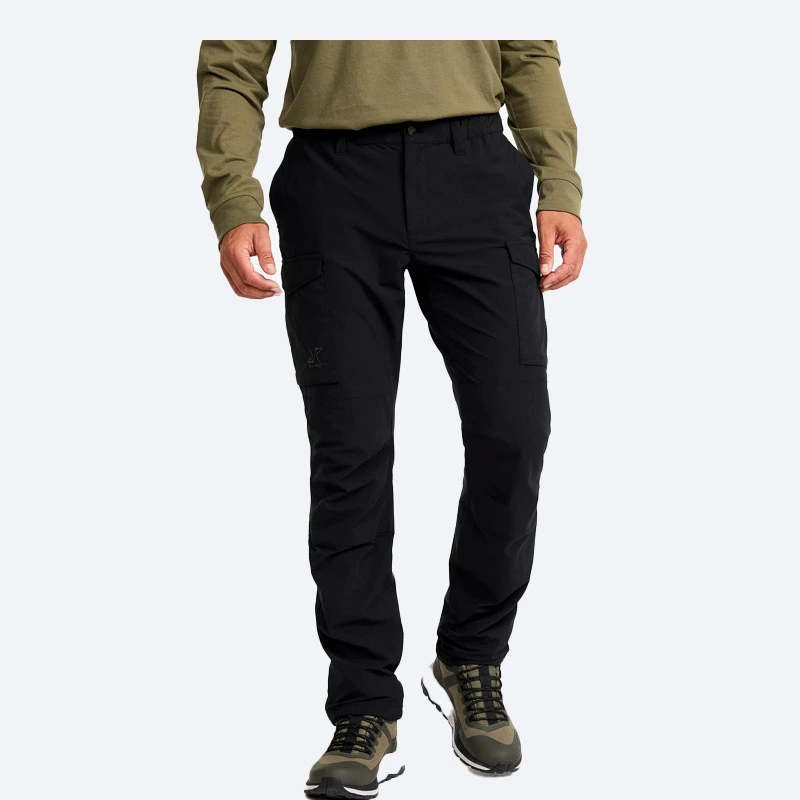
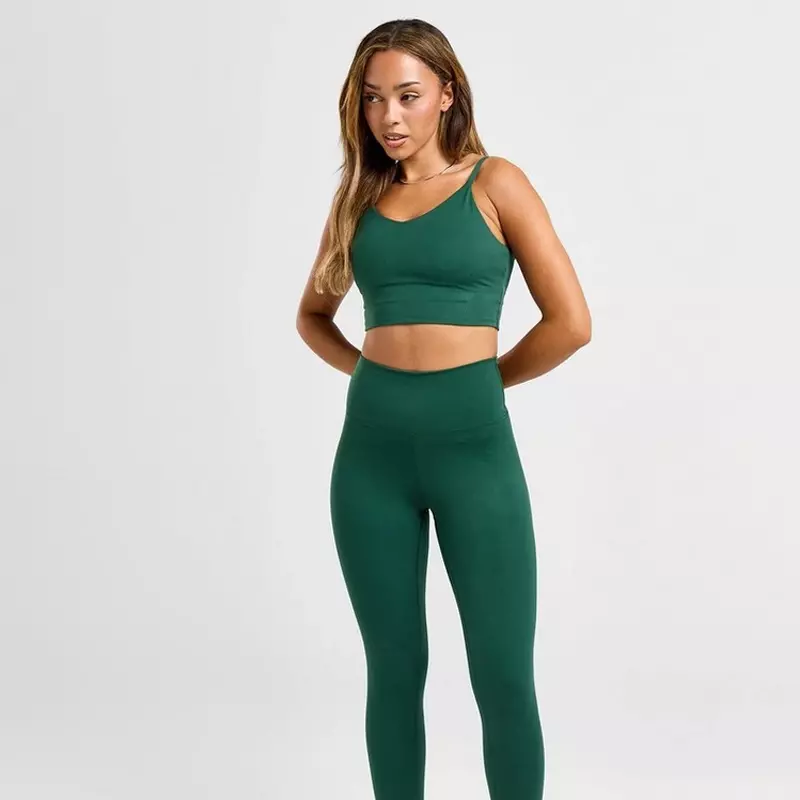
From shorts to tights, the right bottoms are crucial. Consider the weather and your personal preference—shorts for warm days and tights for cooler climates. Ensure they fit well and allow for a full range of motion.
4.3 Jogging Jackets
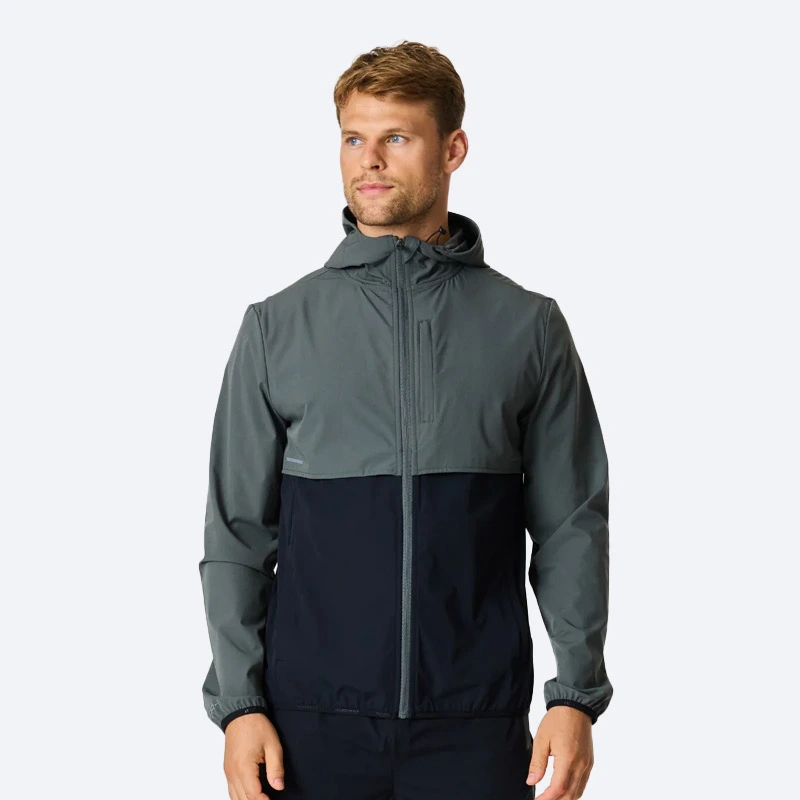
A lightweight, water-resistant jacket can be a lifesaver during unpredictable weather. Look for jackets with ventilation features to keep you cool while providing protection from the elements.
5. Tips for Choosing the Right Jogging Clothes
Making informed choices about your jogging clothes can enhance your comfort and performance. Here are some expert tips:
5.1 Know Your Body Type
Understanding your body type will help you choose clothing that fits well and flatters your form. Look for tailored options that accentuate your strengths.
5.2 Consider the Season
Choose fabrics and styles that suit the season's conditions. Opt for lighter colors and materials for summer and thicker, moisture-wicking fabrics for winter.
5.3 Try Before You Buy
Always try on clothes before making a purchase. Move around, stretch, and simulate a jog to ensure the fit is perfect and the fabric is comfortable against your skin.
6. Accessories That Enhance Jogging Comfort
Accessories can significantly impact your jogging experience. Here are some must-have items:
6.1 Supportive Footwear
Invest in high-quality running shoes that provide adequate support and cushioning. Shoes tailored to your foot type can help prevent injuries and enhance your comfort.
6.2 Moisture-Wicking Socks
Opt for socks made from breathable, moisture-wicking materials to keep your feet dry and reduce the risk of blisters.
6.3 Headwear and Sunglasses
A lightweight cap can shield you from the sun, while sunglasses protect your eyes. Both are essential for outdoor jogging.
6.4 Fitness Trackers
Using a fitness tracker can help monitor your performance, distance, and calories burned, providing motivation and insight into your jogging habits.
7. Caring for Your Jogging Clothes
Proper care will extend the life of your jogging attire. Here are some tips:
7.1 Read Labels
Always read washing instructions to avoid damaging your clothes. Some fabrics may require special care.
7.2 Avoid Fabric Softeners
Fabric softeners can reduce the moisture-wicking capabilities of your jogging clothes. Instead, opt for detergent suited for sportswear.
7.3 Air Dry When Possible
Whenever you can, air-dry your jogging clothes to prevent shrinkage and maintain their shape and elasticity.
8. Conclusion
Choosing the best jogging clothes is essential for enhancing comfort, performance, and motivation. By understanding the importance of materials, selecting essential clothing pieces, and taking care of your attire, you can elevate your jogging experience. Remember that comfort is key—investing in quality clothing and accessories will pay off in your running journey.
9. FAQs
9.1 What are the best materials for jogging clothes?
Moisture-wicking fabrics like polyester and breathable mesh are ideal for jogging clothes as they provide comfort and regulate body temperature.
9.2 Should I wear a jacket while jogging?
A lightweight, breathable jacket is recommended for cooler weather or when you're running in unpredictable conditions.
9.3 Are joggers or tights better for running?
It depends on personal preference and weather conditions. Joggers offer more breathability while tights provide better insulation in colder weather.
9.4 How often should I replace my jogging shoes?
Typically, running shoes should be replaced every 300-500 miles, or when you start to notice discomfort or wear.
9.5 Can I wear cotton clothes for jogging?
While cotton is comfortable, it absorbs moisture and retains sweat, which can lead to chafing and discomfort. It's best to opt for synthetic blends designed for athletic wear.
jogging clothes




Whatsapp/Phone
Email(Terry)
Email:
Address
No.926 NanHuan Road,ChangTai Street,LiCheng District,Quanzhou,FuJian,China.