








15
2025
-
04
Discover Comfort: How to Choose the Right Running Wear for Ultimate Performance
Author:
Discover Comfort: How to Choose the Right Running Wear for Ultimate Performance Running is more than just a sport; it’s a lifestyle that demands comfort, performance, and style from its participants. Choosing the right running wear is crucial for optimizing your performance and ensuring an enjoyable experience. In this comprehensive guide, we will delve into the various aspects of selecting the
Discover Comfort: How to Choose the Right Running Wear for Ultimate Performance
Running is more than just a sport; it’s a lifestyle that demands comfort, performance, and style from its participants. Choosing the right running wear is crucial for optimizing your performance and ensuring an enjoyable experience. In this comprehensive guide, we will delve into the various aspects of selecting the perfect running apparel, helping you discover your ideal running attire.
Table of Contents
- Understanding Fabric Types for Running Wear
- The Importance of Proper Fit
- Choosing the Right Running Shoes
- Layering for Various Weather Conditions
- Functional Accessories to Enhance Your Run
- Sustainable Running Wear Options
- Common Mistakes to Avoid When Choosing Running Wear
- Frequently Asked Questions (FAQs)
Understanding Fabric Types for Running Wear
When it comes to running wear, the fabric you choose can significantly impact your overall comfort. Here are some popular fabric types to consider:
Moisture-Wicking Fabrics
Moisture-wicking fabrics like polyester and nylon pull sweat away from your skin, allowing it to evaporate quickly. This feature keeps you dry and comfortable during intense runs. Look for garments labeled as “moisture-wicking” for the best results.
Bamboo and Merino Wool
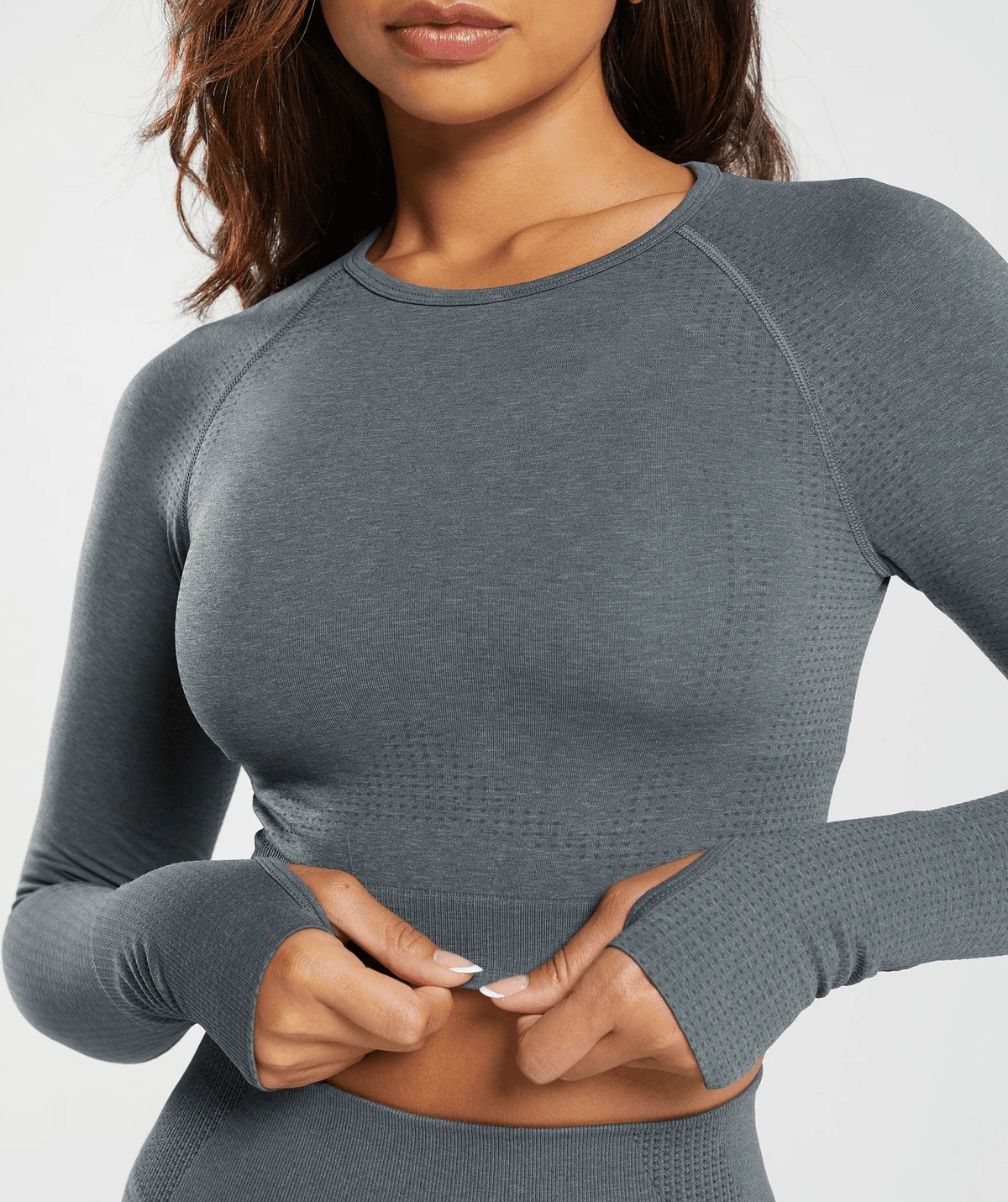
Bamboo and merino wool offer natural moisture-wicking properties while providing breathability. These fabrics are also odor-resistant, making them a great choice for longer runs or warmer climates.
Mesh Panels for Ventilation
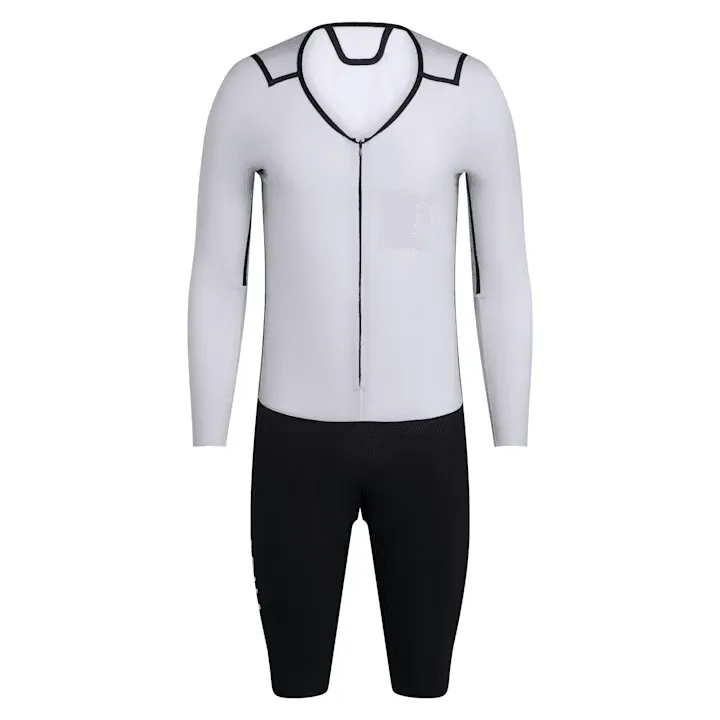
Many running tops and shorts come with mesh panels, which enhance airflow and keep you cool. Consider garments with strategic mesh placements to maximize ventilation without sacrificing style.
The Importance of Proper Fit
The fit of your running wear can make or break your running experience. Here are some key points to ensure a proper fit:
Size Matters
Choosing the right size is crucial. Garments that are too tight can restrict movement, while overly loose wear can cause chafing. Always refer to the size guide provided by the brand and consider trying on multiple sizes if possible.
Length of Tops and Bottoms
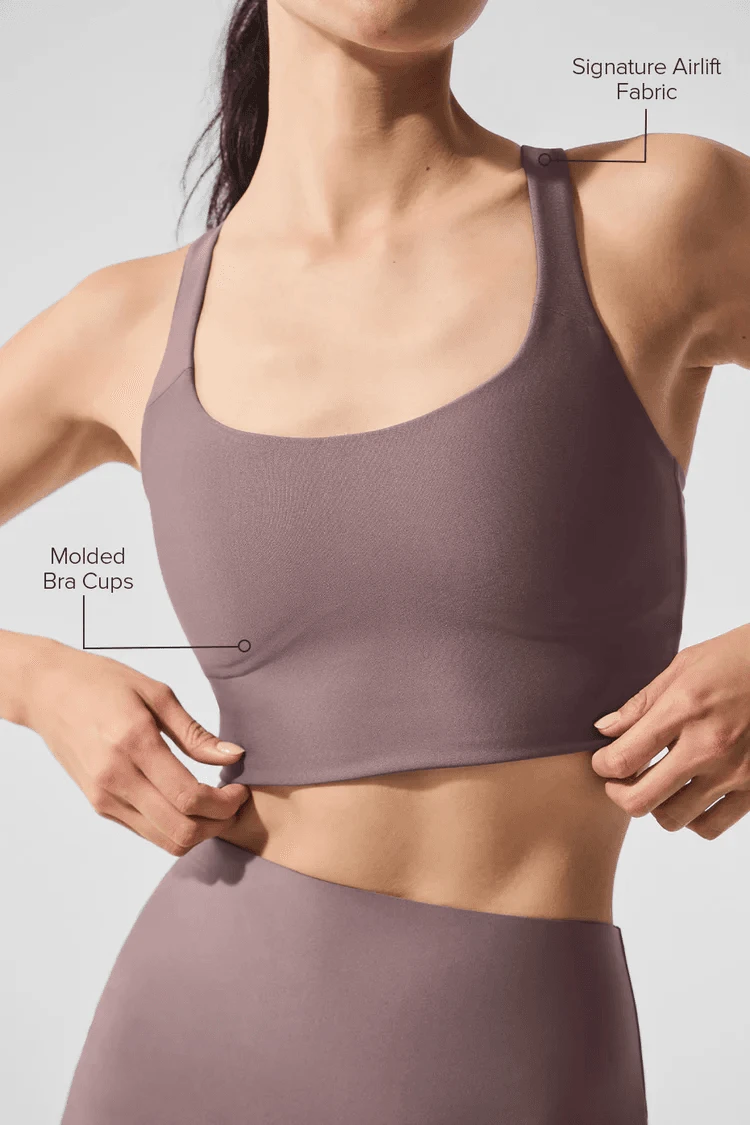
For tops, consider whether you prefer a cropped style or a longer fit. When it comes to bottoms, options like shorts, capris, or full-length tights should provide adequate coverage without being too restrictive.
Stretch and Flexibility
Look for running wear that has a good degree of stretch. Fabrics with spandex or elastane allow for a full range of motion, crucial for optimal performance during runs.
Choosing the Right Running Shoes
Your shoes are arguably the most critical piece of running wear. Here’s how to choose the right pair:
Understand Your Foot Type
Determine whether you have a neutral arch, flat feet, or high arches. Brands often categorize shoes by these features, making it easier to find a suitable pair.
Consider Your Running Style
Are you a heel striker or a midfoot striker? Understanding your running style can help you select shoes that provide the best support and cushioning for your specific needs.
Test Before You Buy
Whenever possible, try on running shoes in-store. Walk or jog around the store to assess comfort, provide a proper fit assessment, and ensure the shoes feel right for your running gait.
Layering for Various Weather Conditions
Adapting your running wear according to the weather can enhance your comfort. Here’s how to layer effectively:
Warm Weather Running
Opt for lightweight, breathable fabrics that wick moisture away from your body. Consider sleeveless tops and shorts to keep cool.
Cold Weather Running
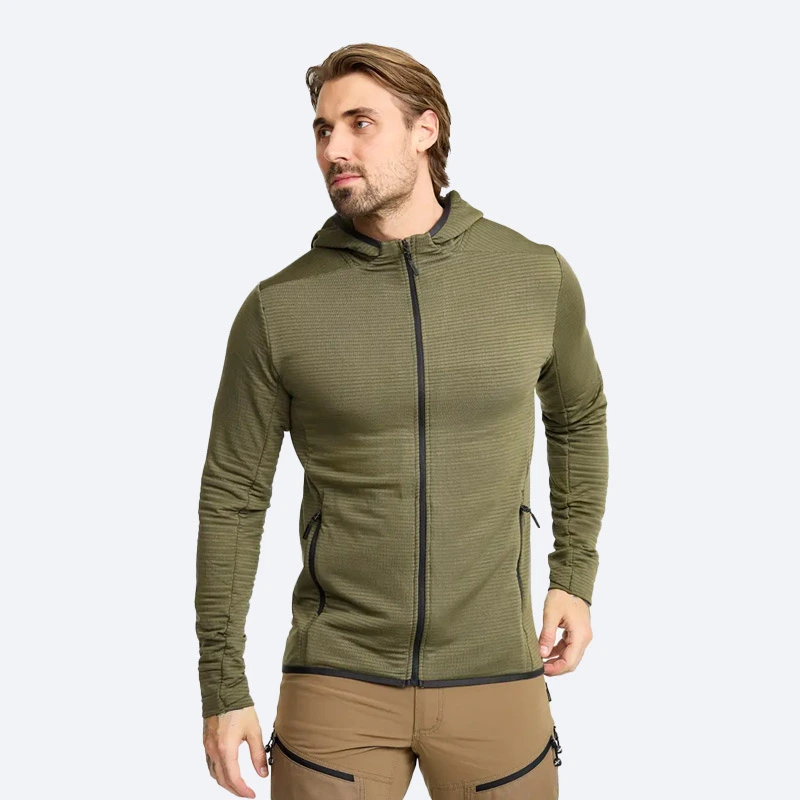
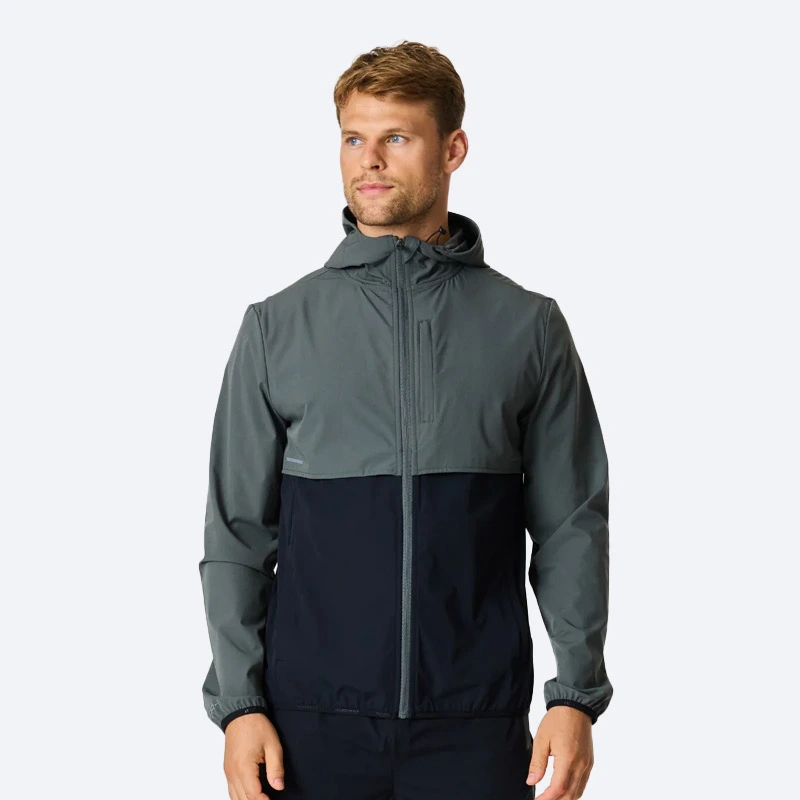
Layering is critical in colder climates. Start with a moisture-wicking base layer, add an insulating layer, and finish with a windproof or waterproof outer layer to protect against the elements.
Rainy Weather Gear
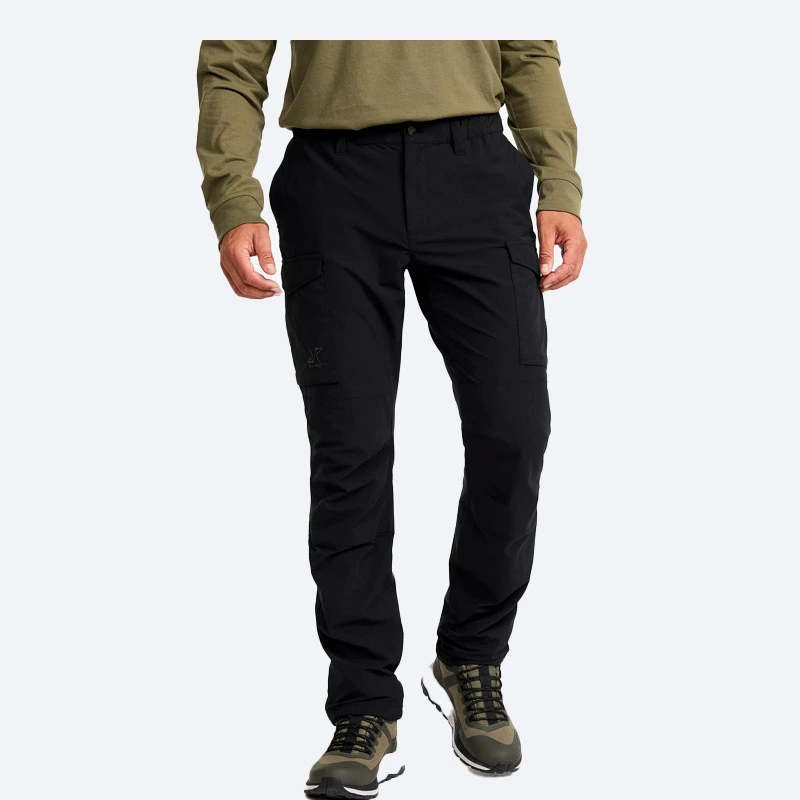
Invest in a good quality waterproof jacket and moisture-wicking pants. Look for reflective elements in your gear to enhance visibility during low-light conditions.
Functional Accessories to Enhance Your Run
Accessories can significantly enhance your running experience. Consider these functional options:
Running Belts and Hydration Packs
Keeping essentials like your phone, keys, and hydration close at hand can make your run more enjoyable. Running belts and hydration packs are excellent for carrying these items without hindering your performance.
Headbands and Caps
Headbands can help keep sweat out of your eyes, while caps offer sun protection. Look for moisture-wicking options to enhance comfort.
Compression Gear
Compression sleeves and socks can improve blood circulation, aiding recovery and reducing muscle fatigue. Consider incorporating these accessories into your running routine for added benefits.
Sustainable Running Wear Options
More runners are seeking sustainable options in their apparel choices. Here’s how to select eco-friendly running wear:
Materials to Look For
Opt for brands that use recycled materials or organic fabrics in their production. Bamboo, hemp, and recycled polyester are excellent choices that reduce environmental impact.
Sustainable Brands
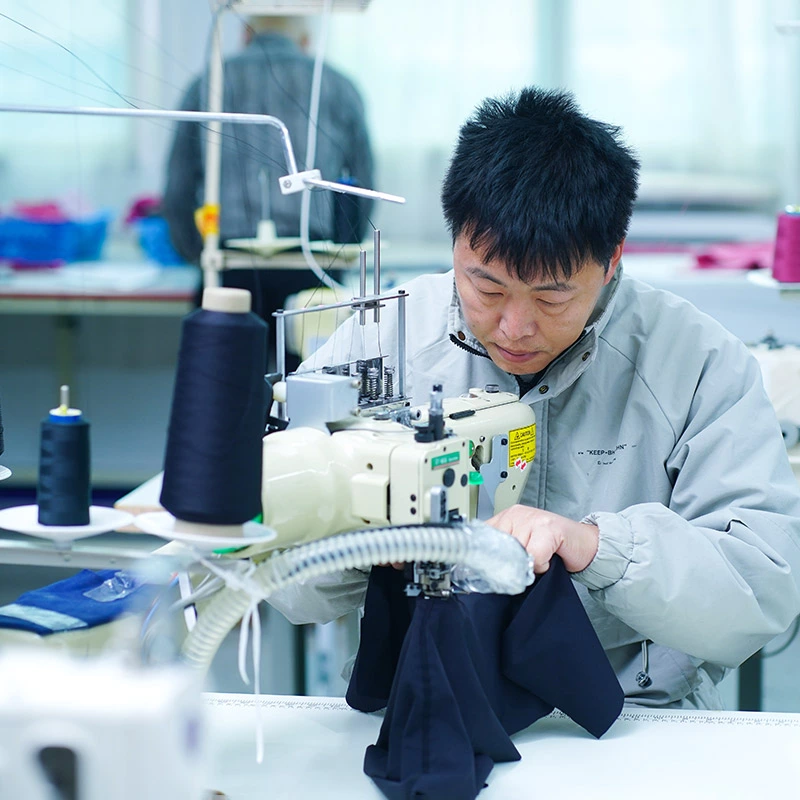
Research brands that prioritize sustainability in their manufacturing processes. Support companies committed to ethical practices and environmental responsibility.
Common Mistakes to Avoid When Choosing Running Wear
To ensure you make the best choices, be aware of these common pitfalls:
Ignoring the Weather
Always consider the weather conditions before heading out. Failing to dress appropriately can lead to discomfort or even injury.
Choosing Style Over Function
While looking good is important, functionality should take precedence. Ensure your running wear enhances your performance before focusing on aesthetics.
Forgetting to Test Gear Before Long Runs
Never wear new gear on a long run without testing it first. Always break in new shoes and apparel on shorter runs to avoid discomfort or chafing.
Frequently Asked Questions (FAQs)
1. What are the best fabrics for running wear?
Moisture-wicking fabrics like polyester and nylon, as well as natural fibers like bamboo and merino wool, are great options that keep you dry and comfortable.
2. How do I know my correct shoe size for running?
It’s essential to have your feet measured at a store specializing in running shoes. Make sure to try on shoes later in the day when your feet may swell slightly.
3. Should I wear socks when running?
Yes, wearing moisture-wicking running socks can help prevent blisters and keep your feet dry during runs.
4. How can I prevent chafing while running?
Select seamless garments, apply anti-chafe cream, and choose the right size to minimize the risk of chafing during your runs.
5. Is it necessary to invest in running-specific gear?
While it’s not strictly necessary, investing in running-specific gear can significantly enhance your comfort and performance, making your runs more enjoyable.
Conclusion
Choosing the right running wear is a blend of understanding fabric types, ensuring a proper fit, and adapting to various weather conditions. By selecting functional accessories and considering sustainable options, you can enhance your running experience. Avoid common mistakes and prioritize comfort and performance over style. With this knowledge, you are now equipped to discover running wear that will elevate your performance and comfort on every run. Lace up your shoes and hit the pavement with confidence!
Running Wear



Whatsapp/Phone
Email(Terry)
Email:
Address
No.926 NanHuan Road,ChangTai Street,LiCheng District,Quanzhou,FuJian,China.