







17
2025
-
04
How to Choose Cycling Wear That Fits Your Riding Style
Author:
How to Choose Cycling Wear That Fits Your Riding Style Cycling is more than just a mode of transportation; it's a passion, a lifestyle, and for many, a competitive sport. Whether you're a weekend warrior or an avid cyclist, the right cycling wear can significantly enhance your riding experience. In this article, we will explore how to choose cycling wear that perfectly complements your riding st
How to Choose Cycling Wear That Fits Your Riding Style
Cycling is more than just a mode of transportation; it's a passion, a lifestyle, and for many, a competitive sport. Whether you're a weekend warrior or an avid cyclist, the right cycling wear can significantly enhance your riding experience. In this article, we will explore how to choose cycling wear that perfectly complements your riding style, ensuring comfort, performance, and style on every ride.
Table of Contents
- Understanding Cycling Wear
- Factors to Consider When Choosing Cycling Wear
- Types of Cycling Wear
- Fit and Comfort
- Material Choices for Cycling Wear
- Seasonal Cycling Wear
- Budgeting for Cycling Wear
- Frequently Asked Questions
- Conclusion
Understanding Cycling Wear
Cycling wear encompasses clothing designed specifically for cycling activities, enhancing performance and comfort. Unlike regular athletic wear, cycling apparel typically features materials and designs that cater to the unique requirements of cycling, such as aerodynamic fits, moisture-wicking properties, and padded inserts. Understanding these differences is crucial for selecting the appropriate wear that matches your riding style.
Factors to Consider When Choosing Cycling Wear
When selecting cycling wear, several factors should guide your decision-making process:
Riding Style
Your riding style—be it road cycling, mountain biking, or casual commuting—will significantly influence your choice of clothing. Road cyclists typically prefer tight-fitting garments for aerodynamics, while mountain bikers may opt for looser fits for flexibility and added protection.
Climate and Weather Conditions
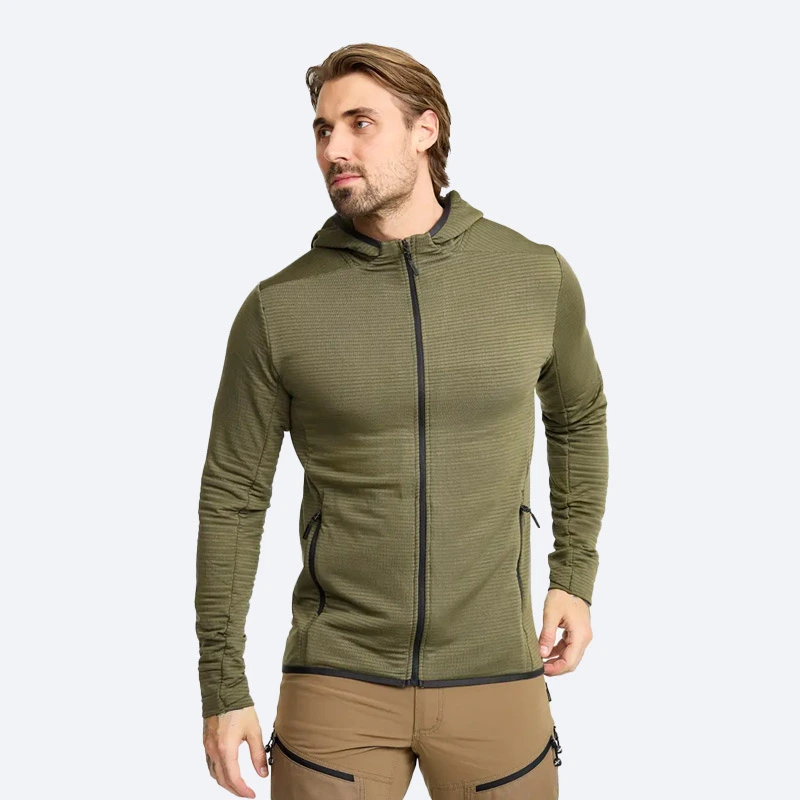
The climate in which you ride will dictate the type of cycling wear you need. Hot, humid conditions require breathable fabrics to wick away sweat, while colder climates necessitate layers that provide warmth without sacrificing mobility.
Duration of Rides
Consider how long you typically ride. Longer rides may require additional considerations such as chamois padding for comfort and pockets for carrying essentials. Shorter rides may allow for simpler attire.
Types of Cycling Wear
Choosing the right type of cycling wear involves understanding the various options available:
Shorts and Bibs
Cycling shorts and bibs are essential for comfort on the saddle. Bibs provide a more secure fit and eliminate waistbands, while shorts often feature pockets for convenience. Both come with padding (chamois) to reduce friction during long rides.
Jerseys
Jerseys are available in various styles, including short-sleeved, long-sleeved, and sleeveless. They often have moisture-wicking properties and pockets for carrying smaller items. Pick a style that aligns with your climate and personal preference.
Jackets and Vests
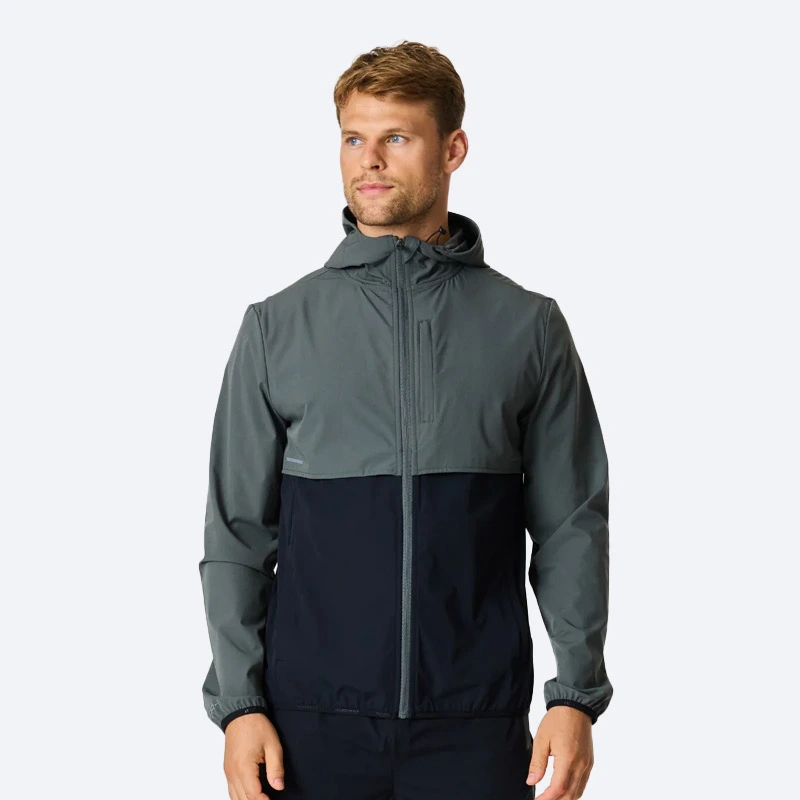
When cycling in unpredictable weather, a lightweight, wind-resistant jacket or vest can be invaluable. Look for options that are packable and breathable, allowing for easy transport when not in use.
Base Layers
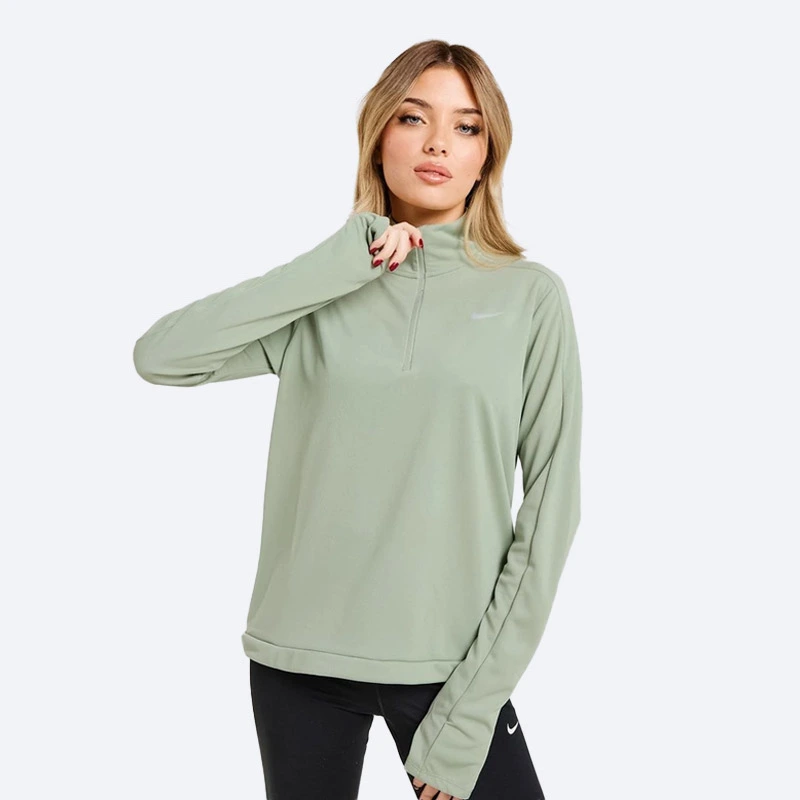
A base layer can enhance comfort by managing moisture and body temperature. These garments are usually made from synthetic fabrics designed to wick sweat away from the skin, keeping you dry and comfortable throughout your ride.
Fit and Comfort
A proper fit is paramount when choosing cycling wear. Here’s how to ensure you select the right size:
Size Charts
Always refer to the manufacturer’s size chart, as sizing can vary between brands. Measure your chest, waist, and inseam to find your correct size.
Try Before You Buy
If possible, try on various brands and styles in-store. Pay attention to how the fabric feels against your skin and how the garment fits while you simulate riding positions.
Movement and Flexibility
Ensure that your cycling wear allows for a full range of motion. You should be able to bend and stretch without feeling restricted. Look for garments with some degree of elasticity for added comfort.
Material Choices for Cycling Wear
The material used in cycling wear can significantly impact performance and comfort. Here are some commonly used fabrics:
Synthetic Fabrics
Materials like polyester and nylon are popular for cycling wear due to their moisture-wicking properties, durability, and quick-drying capabilities. These fabrics help keep you dry and comfortable during intense rides.
Merino Wool
Merino wool is an excellent option for cooler conditions. It regulates body temperature, absorbs moisture, and prevents odor, making it ideal for long rides in variable conditions.
Spandex and Lycra
These stretchy materials enhance the fit of cycling wear, allowing for greater movement and comfort. They are often blended with other fabrics to provide a snug fit without compromising breathability.
Seasonal Cycling Wear
Your cycling wear needs may change with the seasons. Here’s how to adapt your wardrobe:
Summer Cycling Attire
In warmer months, prioritize lightweight, breathable fabrics that wick moisture and provide UV protection. Short sleeves and shorts are typical for summer cycling.
Winter Cycling Gear
Winter cycling requires a layered approach. Start with a thermal base layer, followed by an insulating layer and a windproof outer layer. Don’t forget gloves, thermal socks, and a good quality cycling cap to protect against the cold.
Rain Gear
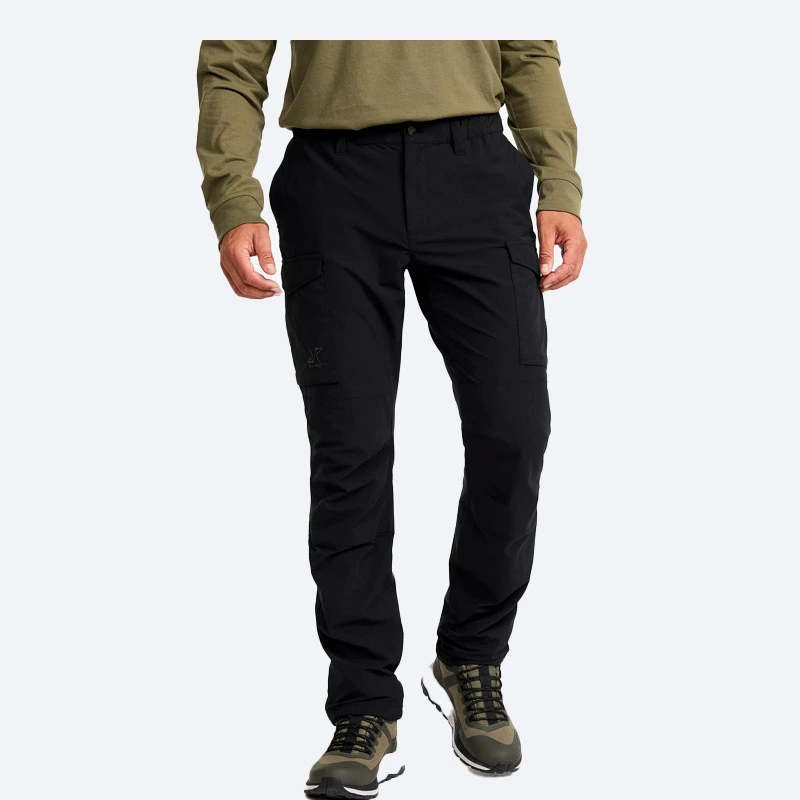
If you frequently ride in wet conditions, investing in waterproof and breathable jackets and pants is essential. Look for features like adjustable cuffs and hoods to ensure a snug fit and minimize water ingress.
Budgeting for Cycling Wear
While cycling wear can vary in price, it’s important to find a balance between quality and budget. Here are some tips:
Invest in Key Pieces
It's wise to invest in essential items like padded shorts or bibs and high-quality jerseys. These pieces will enhance your comfort and performance, making them worth the expense.
Look for Sales and Discounts
Keep an eye out for seasonal sales or clearance events, especially at the end of cycling season. Many retailers offer discounts on last season's stock, allowing you to score high-quality items at lower prices.
Consider Second-Hand Options
For those on a tighter budget, consider purchasing second-hand cycling wear. Many items are gently used and can be found for a fraction of the retail price.
Frequently Asked Questions
What is the best type of cycling wear for beginners?
For beginners, investing in a good pair of padded shorts and a moisture-wicking jersey is a great start. These items will enhance comfort during rides and make the experience more enjoyable.
How important is the fit of cycling wear?
The fit of cycling wear is crucial. A proper fit enhances comfort, performance, and aerodynamics. Clothes that are too loose can cause chafing, while overly tight garments can restrict movement.
Can I wear regular athletic wear for cycling?
While regular athletic wear can be worn for cycling, specialized cycling apparel offers features that enhance comfort and performance, such as moisture management and chamois padding.
Should I invest in cycling shoes?
Cycling shoes can significantly improve power transfer and efficiency while pedaling. If you're serious about cycling, investing in a good pair of cycling shoes is advisable.
How do I care for my cycling wear?
Always follow the care instructions on the label. Typically, cycling wear should be washed in cold water and air-dried to maintain its properties and longevity.
Conclusion
Choosing the right cycling wear is essential for enhancing your riding experience, regardless of your skill level. By understanding the different types of cycling apparel, considering your riding style, climate, and fit, and selecting quality materials, you can ensure comfort and performance on every ride. Remember, investing in the right gear will ultimately lead to more enjoyable and productive cycling experiences. Whether you're cruising through city streets or tackling mountain trails, the right cycling wear will make all the difference.
Cycling Wear



Whatsapp/Phone
Email(Terry)
Email:
Address
No.926 NanHuan Road,ChangTai Street,LiCheng District,Quanzhou,FuJian,China.