










02
2025
-
09
Layering Techniques: How to Wear Jogging Clothes in Cold Weather
Author:
Layering Techniques: How to Wear Jogging Clothes in Cold Weather Table of Contents 1. Understanding the Importance of Layering 2. Core Layer Principles for Cold Weather Jogging 3. Essential Clothing Fabrics for Layering 4. Base Layer Essentials for Maximum Comfort 5. Insulating Layer Options to Keep You Warm 6. Outer Layer Protection Against Wind and Rain 7. Accessories to Compl
Layering Techniques: How to Wear Jogging Clothes in Cold Weather
Table of Contents
- 1. Understanding the Importance of Layering
- 2. Core Layer Principles for Cold Weather Jogging
- 3. Essential Clothing Fabrics for Layering
- 4. Base Layer Essentials for Maximum Comfort
- 5. Insulating Layer Options to Keep You Warm
- 6. Outer Layer Protection Against Wind and Rain
- 7. Accessories to Complement Your Outfit
- 8. Tips for Layering Effectively While Jogging
- 9. Frequently Asked Questions
- 10. Conclusion
1. Understanding the Importance of Layering
When it comes to jogging in cold weather, **layering** is essential for maintaining your body’s warmth and comfort. The right layering techniques help regulate body temperature, wick moisture away from your skin, and protect against harsh wind and cold. Understanding the importance of layering not only makes your outdoor exercise more enjoyable but also enhances performance and prevents injuries.
Layering allows for flexibility. As you warm up during your jog, you can shed layers to avoid overheating. Conversely, you can add layers if the temperature drops unexpectedly or if you’re jogging in windy conditions. This adaptability is crucial for any outdoor activity, especially during the unpredictable seasons.
2. Core Layer Principles for Cold Weather Jogging
To effectively layer your jogging clothes, it’s important to follow core layering principles. We recommend focusing on three primary layers: the base layer, insulating layer, and outer layer.
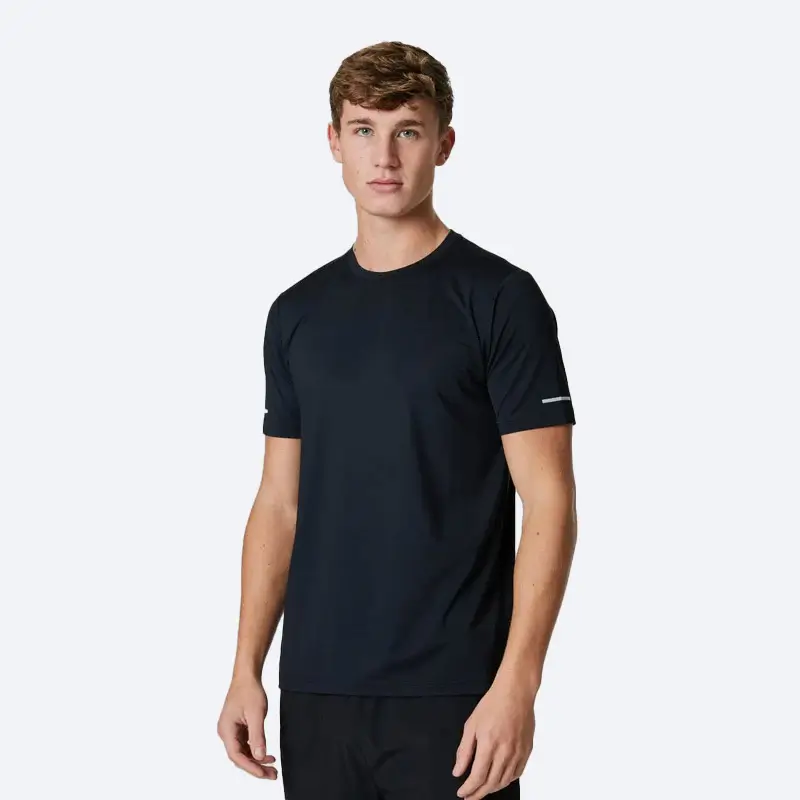
- **Base Layer:** The closest layer to your skin, designed to wick moisture away and keep you dry.
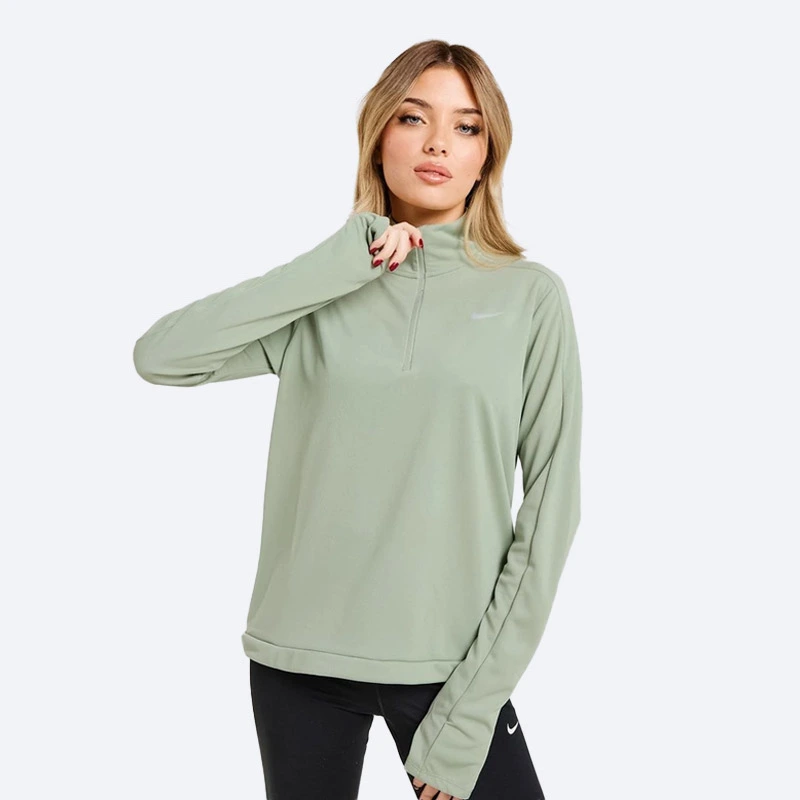
- **Insulating Layer:** This layer traps heat and provides warmth while allowing moisture to escape.
- **Outer Layer:** The final barrier that protects you from wind, rain, and other elements.
Understanding how these layers work together enables you to choose the right clothing for your specific needs, ensuring maximum comfort throughout your jog.
3. Essential Clothing Fabrics for Layering
Choosing the right fabrics for your layers is critical. Here are some fabric options you should consider:
- **Moisture-Wicking Materials:** Look for fabrics like polyester or merino wool for your base layer. These materials help draw sweat away from your skin, keeping you dry and comfortable.
- **Insulating Fabrics:** Fleece and down are popular choices for insulating layers. They provide warmth without adding excessive bulk.
- **Water-Resistant and Windproof Materials:** For your outer layer, consider using nylon or Gore-Tex. These fabrics offer excellent protection against moisture and wind, keeping you safe from the elements.
By understanding the advantages of each fabric, you can make informed decisions that enhance your jogging experience in colder weather.
4. Base Layer Essentials for Maximum Comfort
The base layer is crucial for regulating your body temperature. Here are some essentials to consider:
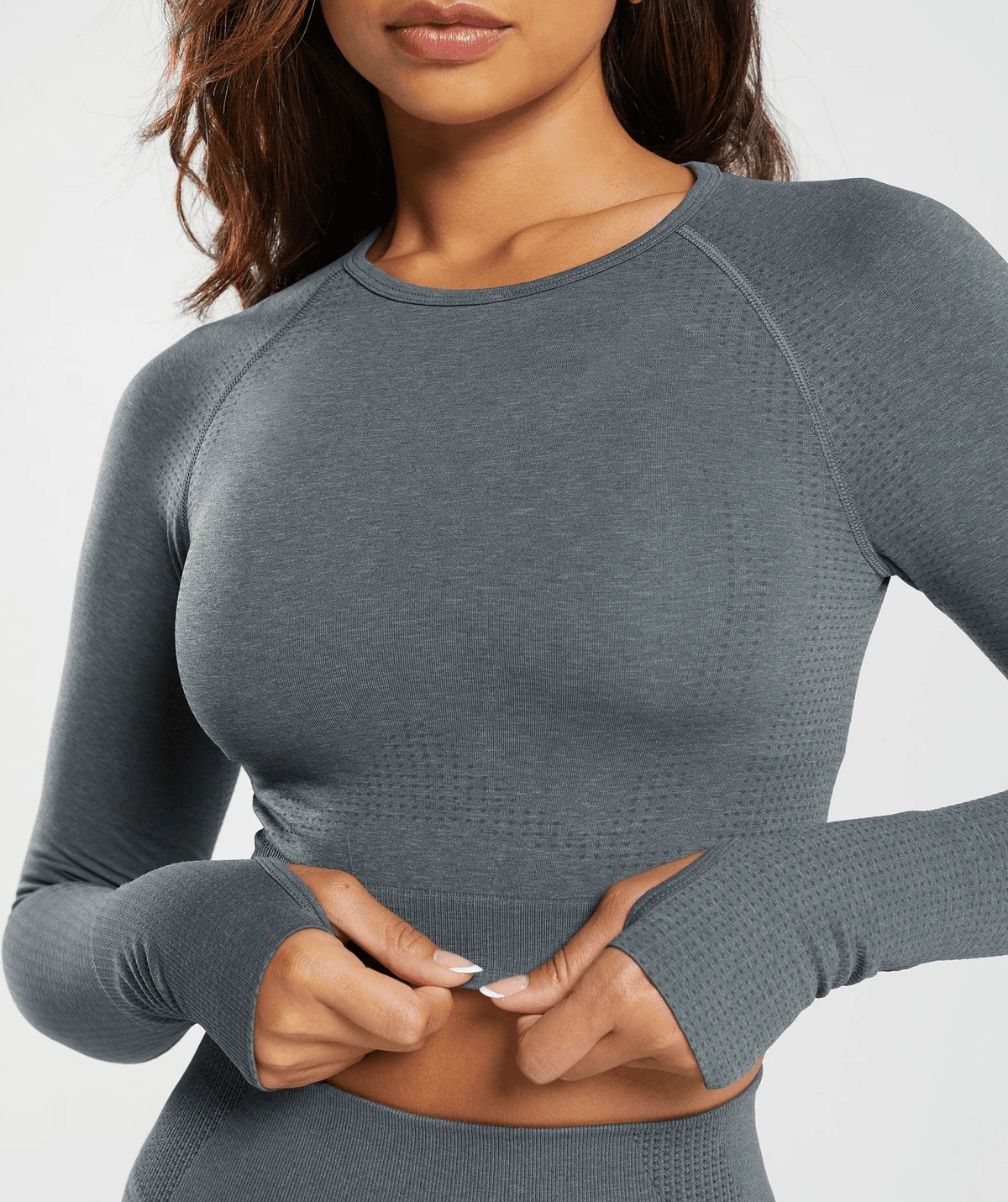
- **Fit:** Your base layer should fit snugly against your skin to effectively wick moisture while allowing for freedom of movement. Avoid overly loose options.
- **Thermal Regulation:** Look for base layers that offer thermal regulation properties, which help retain warmth without overheating.
- **Seamless Construction:** Choosing seamless clothing can reduce friction and prevent chafing during your jog.
In the colder months, investing in a quality base layer can significantly improve your comfort and performance.
5. Insulating Layer Options to Keep You Warm
An insulating layer is essential for maintaining warmth. Here are some options:
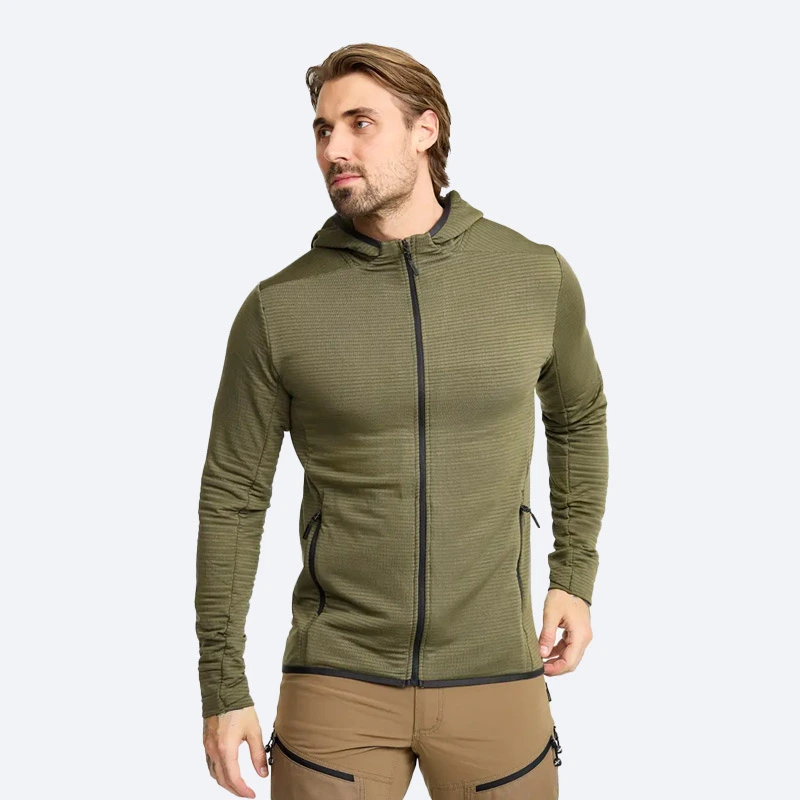
- **Fleece Jackets:** Lightweight yet warm, fleece jackets provide excellent insulation and breathability. They’re perfect for your jogging routine.
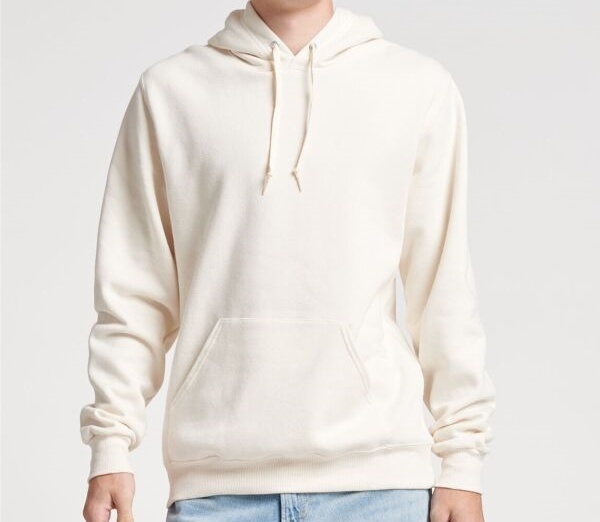
- **Down Vests or Jackets:** For extra warmth without the bulk, consider a down vest or a lightweight down jacket. They trap heat while allowing for ease of movement.
- **Thermal Tops:** Long-sleeve thermal tops can be a great addition as an insulating layer. Look for options with a lightweight design that still provide warmth.
Combining these insulating options with your base layer will ensure your body stays warm during colder jogs.
6. Outer Layer Protection Against Wind and Rain
An effective outer layer is your first line of defense against the elements. Here’s what to look for:
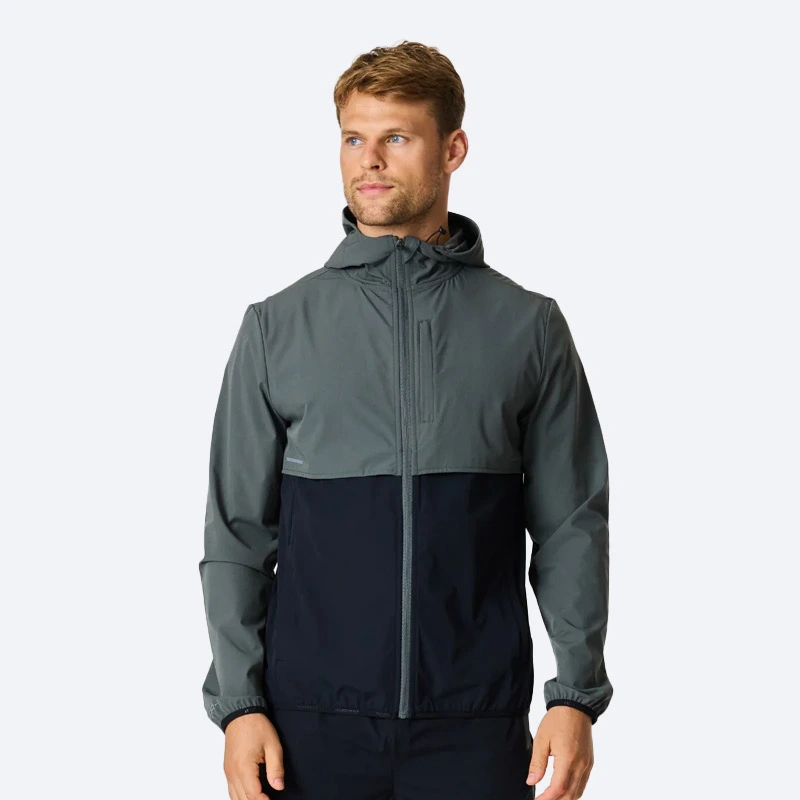
- **Windbreakers:** Lightweight windbreakers can offer significant protection against cold winds while being breathable enough for running.
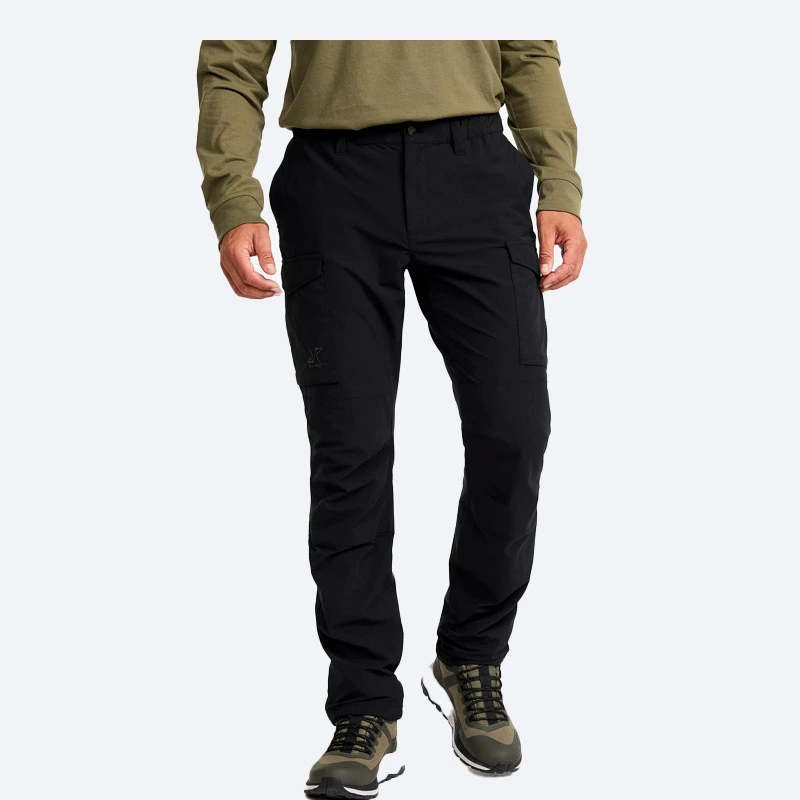
- **Water-Resistant Shells:** Look for jackets and pants made from waterproof materials. A good water-resistant shell will keep you dry even in light rain.
- **Reflective Elements:** Safety is paramount when jogging in low-light conditions. Opt for outer layers that incorporate reflective elements to enhance visibility.
The outer layer should be easy to put on and take off as your body temperature fluctuates during your jog.
7. Accessories to Complement Your Outfit
Don’t overlook the importance of accessories in your cold weather jogging attire. Here are some critical accessories that can enhance your comfort:
- **Headwear:** A thermal beanie or headband can help retain heat and keep your ears warm. Look for moisture-wicking materials to prevent sweat buildup.
- **Gloves:** Invest in a good pair of running gloves. The best ones will provide warmth without sacrificing dexterity. Touchscreen-compatible gloves are a bonus.
- **Scarves or Neck Gaiters:** A scarf or neck gaiter can protect your neck from the cold and can be pulled up to cover your face in extremely cold winds.
These accessories play a vital role in maintaining your overall warmth and comfort while jogging in cold weather.
8. Tips for Layering Effectively While Jogging
To maximize the effectiveness of your layering strategy, consider these practical tips:
- **Know the Temperature:** Always check the weather conditions before heading out. This information helps you decide which layers to wear.
- **Adjust According to Intensity:** If you’re planning a high-intensity workout, you may want to shed a layer or two to avoid overheating.
- **Experiment with Combinations:** Don’t hesitate to mix and match different layers until you find the combination that works best for you.
By following these tips, you can ensure a comfortable and enjoyable jogging experience no matter how cold it gets.
9. Frequently Asked Questions
What should I wear for jogging in temperatures below freezing?
For temperatures below freezing, wear a moisture-wicking base layer, a thermal insulating layer, and a windproof outer layer. Don't forget to include accessories like gloves and a beanie.
Is it better to wear cotton or synthetic fabrics when jogging in cold weather?
Synthetic fabrics are generally better than cotton because they wick moisture away from your skin, helping you stay dry and warm.
How many layers should I wear when jogging?
The number of layers depends on the temperature and your activity level. Typically, three layers (base, insulating, outer) are sufficient for most cold weather conditions.
Can I wear regular clothes for jogging in cold weather?
While you can wear regular clothes, specialized jogging attire is designed to offer moisture-wicking, insulation, and protection from the elements, enhancing your comfort and performance.
What are the best materials for a base layer?
The best materials for a base layer include synthetic options like polyester or natural options like merino wool, both of which offer excellent moisture-wicking capabilities.
10. Conclusion
In conclusion, mastering the art of layering when wearing jogging clothes in cold weather is essential for any outdoor enthusiast. By understanding the principles of layering, selecting the right fabrics, and investing in proper accessories, you can ensure a comfortable and effective jogging experience. The right combination of layers not only keeps you warm but also allows for flexibility and adaptability as your body temperature changes during your workout. With these comprehensive tips and techniques, you’ll be prepared to face the elements and enjoy your jog, no matter how chilly it gets. Stay warm, stay active, and embrace the joys of jogging in cold weather!
jogging clothes




Whatsapp/Phone
Email(Terry)
Email:
Address
No.926 NanHuan Road,ChangTai Street,LiCheng District,Quanzhou,FuJian,China.