






14
2025
-
09
How to Ensure Proper Maintenance of Your Cycling Wear: A Comprehensive Guide
Author:
How to Ensure Proper Maintenance of Your Cycling Wear Cycling is not just a hobby; it's a lifestyle. Whether you're a casual rider or a dedicated cyclist, your cycling wear plays a crucial role in your performance and comfort on the road or trail. Proper maintenance of your cycling clothing not only extends its lifespan but also enhances your overall riding experience. In this comprehensive guid
How to Ensure Proper Maintenance of Your Cycling Wear
Cycling is not just a hobby; it's a lifestyle. Whether you're a casual rider or a dedicated cyclist, your cycling wear plays a crucial role in your performance and comfort on the road or trail. Proper maintenance of your cycling clothing not only extends its lifespan but also enhances your overall riding experience. In this comprehensive guide, we will explore effective strategies for maintaining your cycling wear, ensuring it remains in top condition for many rides to come.
Table of Contents
1. Understanding the Importance of Cycling Wear Maintenance
2. Types of Cycling Wear and Their Specific Care Requirements
2.1. Jerseys
2.2. Bibs and Shorts
2.3. Jackets and Shells
2.4. Accessories: Gloves and Socks
3. Washing Techniques for Cycling Wear
3.1. Hand Washing vs. Machine Washing
3.2. Recommended Detergents
4. Drying and Ironing Your Cycling Wear
5. Storing Your Cycling Wear Properly
6. Repairing Common Issues in Cycling Wear
7. Best Practices for Maintaining Specialized Fabrics
8. Frequently Asked Questions (FAQs)
9. Conclusion
1. Understanding the Importance of Cycling Wear Maintenance
To maximize the performance and lifespan of your cycling wear, understanding the importance of its maintenance is vital. Well-maintained cycling wear provides better moisture management, enhances comfort, and prevents potential skin irritations or injuries. Proper care can also preserve the fit and functionality, allowing you to enjoy your cycling activities to the fullest.
2. Types of Cycling Wear and Their Specific Care Requirements
Cycling wear comes in various forms, each designed for specific weather conditions and performance needs. Here, we break down the most common types and their respective maintenance requirements.
2.1. Jerseys
Cycling jerseys are typically made from moisture-wicking fabrics that keep you dry during long rides. To maintain their effectiveness, always wash them inside out to protect the outer fabric.
2.2. Bibs and Shorts
Bibs and cycling shorts often include padding for comfort. Avoid fabric softeners, as they can break down the chamois material. Instead, opt for gentle detergents specifically designed for athletic wear.
2.3. Jackets and Shells
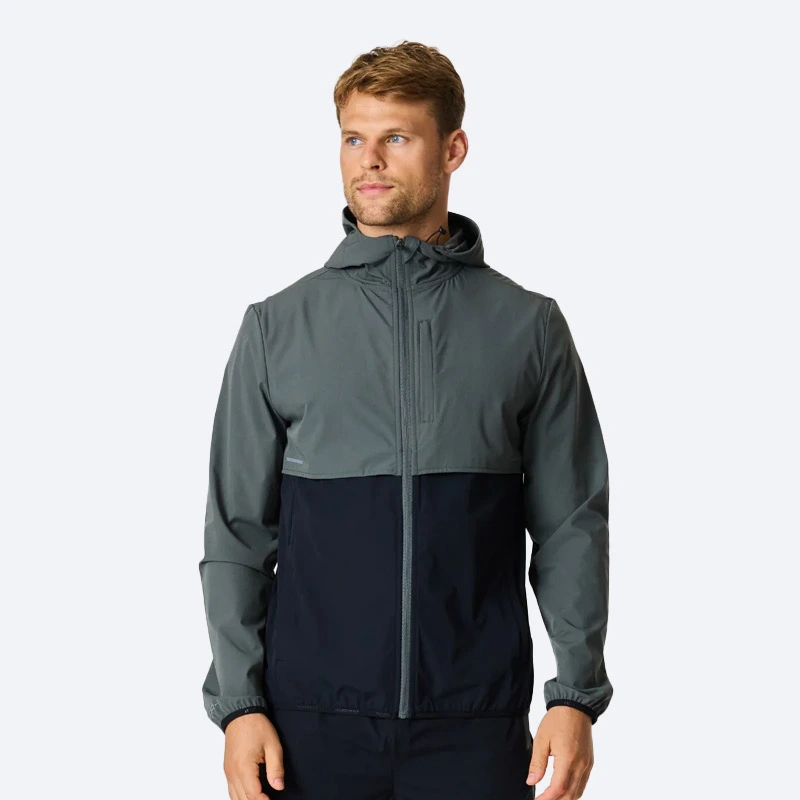
Windproof and waterproof jackets require special attention. Ensure zippers are closed before washing to prevent snagging. Use a cleaner suited for outdoor gear to maintain the fabric’s water repellency.
2.4. Accessories: Gloves and Socks
Gloves and socks should also be washed regularly. Turn gloves inside out to clean the inner lining effectively, and avoid using fabric softeners to ensure moisture-wicking properties remain intact.
3. Washing Techniques for Cycling Wear
The washing process is critical for maintaining the integrity of your cycling gear. Here are effective techniques to ensure your cycling wear is cleaned without damage.
3.1. Hand Washing vs. Machine Washing
While hand washing is gentler, a machine wash can be convenient. If using a machine, select a gentle cycle with cold water. Always place items in a mesh laundry bag to prevent snagging.
3.2. Recommended Detergents
Use detergents that are free from dyes and fragrances. Specialized sports detergents, designed to break down oils and odors, are recommended for optimal results.
4. Drying and Ironing Your Cycling Wear
Drying cycling wear properly is essential to prevent fabric degradation.
- **Air Drying**: Ideally, hang your cycling wear to air dry, avoiding direct sunlight which can fade colors and damage fibers.
- **Avoiding the Dryer**: Never use a dryer on cycling wear, as high heat can shrink or alter the fit of your garments.
- **Ironing**: If necessary, iron on the lowest setting and place a cloth between the iron and the fabric to avoid direct contact.
5. Storing Your Cycling Wear Properly
How you store your cycling wear can significantly impact its condition. Consider the following tips:
- **Cool, Dry Place**: Store your gear in a cool, dry area away from direct sunlight to prevent fading and deterioration.
- **Avoid Folding**: Instead, roll your garments to minimize creases and maintain their shape.
- **Use Hangers for Jerseys**: Hang jerseys to keep them wrinkle-free and in good condition.
6. Repairing Common Issues in Cycling Wear
Despite careful maintenance, wear and tear can occur. Here’s how to address some common issues:
- **Small Tears**: Use fabric patches or specialized repair kits for small tears.
- **Zipper Issues**: Lubricate zippers with silicone to ensure they function smoothly.
- **Pilling**: Use a fabric shaver to remove pilling and keep fabrics looking fresh.
7. Best Practices for Maintaining Specialized Fabrics
Many cycling garments feature advanced fabrics designed for performance. Maintain these specialized materials with the following practices:
- **Follow Care Labels**: Always adhere to the care instructions provided on the garment label.
- **Avoid Bleach**: Never use bleach, as it can damage the fabric’s integrity and color.
- **Regular Maintenance**: Inspect garments frequently for any signs of wear and address issues promptly to avoid further damage.
8. Frequently Asked Questions (FAQs)
**Q1: How often should I wash my cycling wear?**
A: It depends on usage, but washing after every 2-3 rides is generally recommended to prevent odors and bacteria buildup.
**Q2: Can I use regular detergent for my cycling wear?**
A: While some regular detergents can be used, it’s best to opt for specialized detergents designed for sportswear to preserve the fabric.
**Q3: Is it safe to dry my cycling gear in a dryer?**
A: No, it is best to air dry your cycling wear as high heat from dryers can damage the fabric and alter its fit.
**Q4: How can I remove stubborn stains from my cycling wear?**
A: Pre-treat stains with a gentle stain remover suitable for athletic wear and allow it to sit for a few minutes before washing.
**Q5: What is the best way to store my cycling wear during the off-season?**
A: Clean and dry your gear thoroughly, then store it in a cool, dry place in breathable bags or containers to prevent mildew.
9. Conclusion
Maintaining your cycling wear is not just about keeping your garments clean; it's about ensuring comfort, performance, and longevity. By following the tips outlined in this guide, you can preserve the quality of your cycling apparel, enabling you to focus on what truly matters—enjoying your ride. With proper care, your cycling wear will serve you well for many miles ahead, allowing you to maximize your cycling experience without compromise.
Cycling Wear



Whatsapp/Phone
Email(Terry)
Email:
Address
No.926 NanHuan Road,ChangTai Street,LiCheng District,Quanzhou,FuJian,China.