






13
2025
-
12
How Cycling Wear Influences Performance: A Scientific Perspective
Author:
How Cycling Wear Influences Performance: A Scientific Perspective Table of Contents The Significance of Cycling Wear in Performance Understanding Materials and Their Impact on Cycling Aerodynamics and Fit: The Twin Pillars of Performance Moisture Management and Comfort: Staying Dry on the Ride Muscle Support and Recovery: The Role of Compression Gear Temperature Regulation
How Cycling Wear Influences Performance: A Scientific Perspective
Table of Contents
- The Significance of Cycling Wear in Performance
- Understanding Materials and Their Impact on Cycling
- Aerodynamics and Fit: The Twin Pillars of Performance
- Moisture Management and Comfort: Staying Dry on the Ride
- Muscle Support and Recovery: The Role of Compression Gear
- Temperature Regulation: Dressing for all Seasons
- The Psychological Impact of Cycling Apparel on Performance
- Choosing the Right Cycling Wear: A Guide for Cyclists
- Conclusion
- FAQs
The Significance of Cycling Wear in Performance
Cycling wear is not just about aesthetics; it plays a crucial role in influencing a cyclist's performance. The right clothing can significantly enhance a cyclist's comfort, speed, and overall efficiency. As cyclists pursue their personal bests, understanding how apparel affects performance becomes essential.
The Intersection of Science and Cycling Wear
A growing body of research highlights the physiological and psychological effects of cycling apparel. Studies indicate that the correct gear can lead to improvements in endurance, reduced fatigue, and enhanced recovery times. These factors contribute collectively to better performance outcomes during long rides or competitive races.
Understanding Materials and Their Impact on Cycling
The choice of materials in cycling wear directly affects performance. Various fabrics have unique properties that influence moisture management, breathability, and comfort.
Popular Fabrics Used in Cycling Wear
- **Polyester**: Known for its moisture-wicking properties, polyester is lightweight and dries quickly.
- **Nylon**: This durable fabric provides excellent abrasion resistance and stretch, making it ideal for high-intensity rides.
- **Merino Wool**: A natural fiber that offers temperature regulation and odor resistance, merino wool is gaining popularity among cyclists for its comfort.
How Fabric Technology Enhances Performance
Advancements in fabric technology have led to the development of specialized cycling wear that offers features like UV protection, wind resistance, and thermal insulation. These enhancements allow cyclists to focus on their performance without being hindered by environmental factors.
Aerodynamics and Fit: The Twin Pillars of Performance
Aerodynamics plays a critical role in cycling performance. The design and fit of cycling wear can either contribute to or detract from a cyclist's speed.
The Importance of a Streamlined Fit
Cycling apparel should fit snugly without being restrictive. A streamlined fit reduces drag, allowing cyclists to maintain higher speeds with less effort. Loose garments can create unnecessary wind resistance, impacting overall performance.
Tailored Apparel for Competitive Cyclists
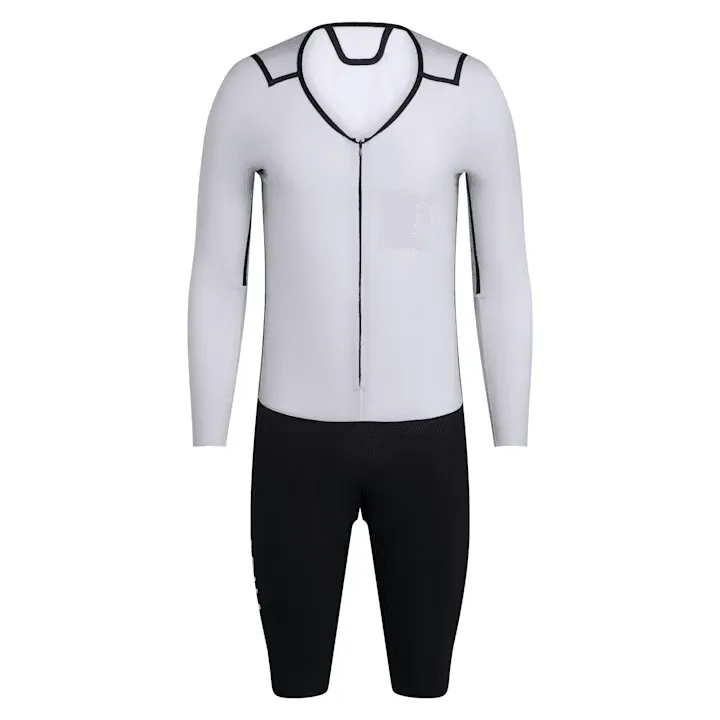
Professional cyclists often invest in custom-tailored clothing that is designed to enhance aerodynamics. These garments are meticulously crafted to fit the contours of the body, minimizing drag and optimizing airflow.
Moisture Management and Comfort: Staying Dry on the Ride
Moisture management is a vital aspect of cycling wear. As cyclists exert themselves, sweat production increases, and the right apparel can make a significant difference in comfort levels.
Wicking Technology Explained
Moisture-wicking fabrics draw sweat away from the skin and allow it to evaporate quickly. This feature helps regulate body temperature and prevents chafing, thus enhancing overall comfort during long rides.
Layering for Comfort
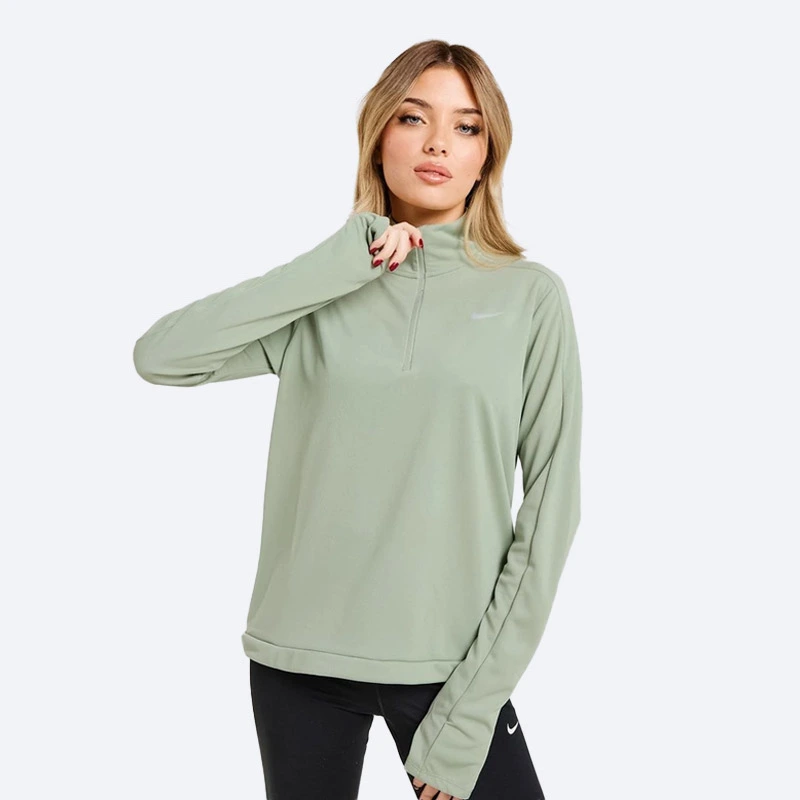
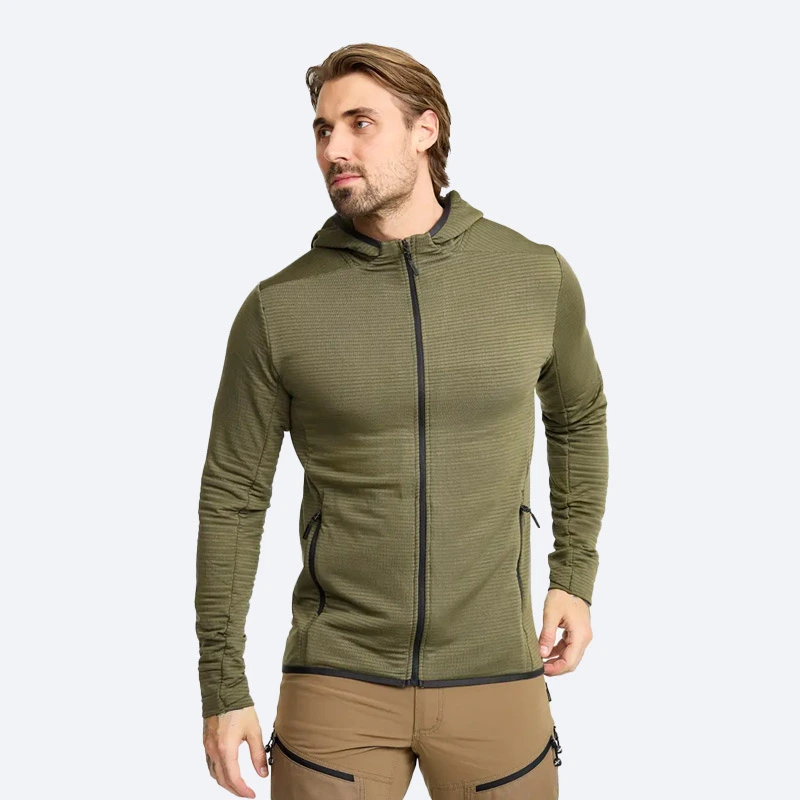
A successful approach to cycling wear also involves layering. Wearing a base layer made of moisture-wicking fabric, followed by an insulating layer, allows cyclists to adapt to varying weather conditions while maintaining comfort.
Muscle Support and Recovery: The Role of Compression Gear
Compression gear has gained popularity among cyclists for its potential benefits in muscle support and recovery.
The Science Behind Compression Wear
Research suggests that compression garments can enhance blood circulation, reduce muscle oscillation, and improve proprioception. These factors contribute to enhanced performance during rides and quicker recovery post-exercise.
Choosing the Right Compression Gear
Cyclists should look for compression wear that fits snugly without restricting movement. The right level of compression is crucial; too tight can hinder performance, while too loose may not provide the desired benefits.
Temperature Regulation: Dressing for all Seasons
Cycling often requires braving various weather conditions. The right cycling apparel can help maintain an ideal body temperature, regardless of the climate.
Insulating Layers for Cold Weather
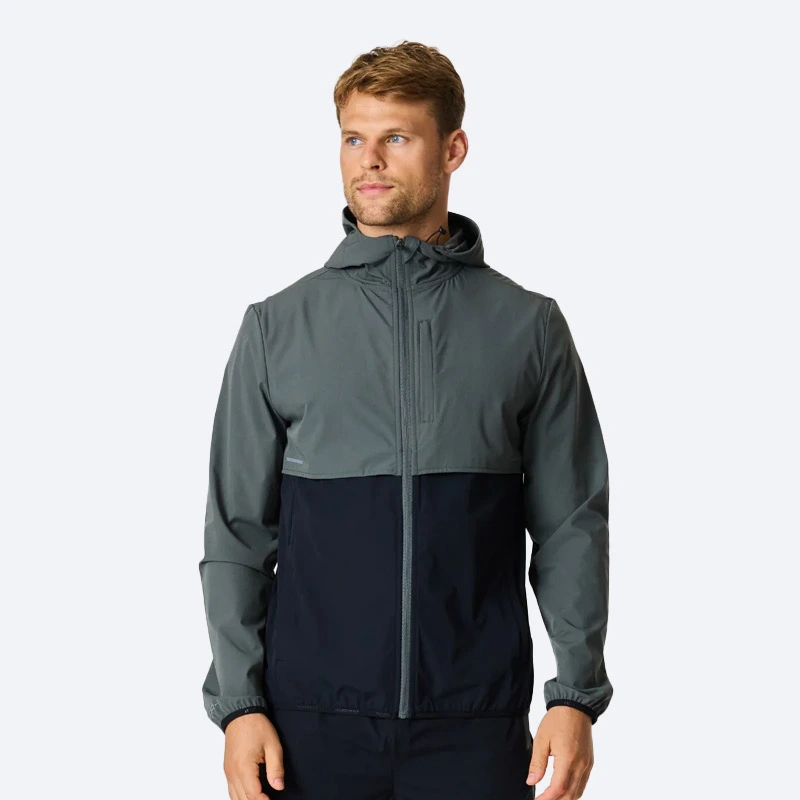
During colder months, cyclists should opt for thermal jerseys and jackets that trap body heat while remaining breathable. Windproof and waterproof fabrics are also essential for protection against harsh elements.
Cooling Technologies for Hot Weather Cycling
In contrast, hot weather demands lightweight and breathable materials that allow for optimal airflow. Features such as mesh panels and venting can help keep cyclists cool and comfortable during intense rides.
The Psychological Impact of Cycling Apparel on Performance
Beyond the physical benefits, cycling wear can have a significant psychological impact on performance.
Confidence Boost from Quality Apparel
Wearing high-quality, well-fitted cycling gear can enhance a cyclist's confidence. This improved self-perception can lead to better performance during rides, as cyclists feel more capable and prepared.
Team Unity and Identity Through Apparel
For those who ride in groups or teams, matching apparel fosters a sense of unity and belonging. This camaraderie can enhance motivation and drive during training and racing events.
Choosing the Right Cycling Wear: A Guide for Cyclists
Selecting the appropriate cycling apparel can be overwhelming due to the multitude of options available. Here are some tips to guide cyclists in their decision-making process.
Assessing Your Needs
Carefully consider the type of cycling you engage in—whether it's road cycling, mountain biking, or casual rides. Each discipline may require specific gear to optimize performance.
Investing in Quality Over Quantity
When it comes to cycling wear, quality is paramount. Investing in high-quality apparel can yield long-term benefits in performance, comfort, and durability. Look for well-reviewed brands known for their technical advancements.
Trying Before Buying
Whenever possible, try on different garments to assess fit and comfort. Pay attention to how the fabric feels against your skin and how it accommodates your range of motion.
Conclusion
Cycling wear significantly influences performance through various factors, including materials, fit, moisture management, and psychological impacts. By understanding the science behind cycling apparel, cyclists can make informed decisions that enhance their rides. Quality gear not only supports physical performance but also boosts confidence and comfort, ultimately leading to improved outcomes. As you embark on your cycling journey, prioritize investing in the right apparel to unlock your full potential on the road or trail.
FAQs
1. How does cycling wear affect my performance?
Cycling wear impacts performance through elements like fit, aerodynamics, moisture management, and muscle support. The right apparel can enhance comfort, speed, and recovery.
2. What materials are best for cycling wear?
Popular materials include polyester for moisture-wicking, nylon for durability, and merino wool for temperature regulation. Each has unique properties suited to various conditions.
3. Should I wear compression gear while cycling?
Compression gear can enhance blood circulation and reduce muscle fatigue. It is recommended for both performance during rides and recovery after strenuous workouts.
4. How should I dress for cycling in cold weather?
Layering is essential in cold conditions. Wear a moisture-wicking base layer, followed by insulating and windproof outer layers to maintain body heat.
5. Can wearing matching cycling apparel improve team performance?
Yes, matching apparel fosters a sense of unity and identity among team members, boosting morale and motivation during rides and competitions.
Cycling Wear




Whatsapp/Phone
Email(Terry)
Email:
Address
No.926 NanHuan Road,ChangTai Street,LiCheng District,Quanzhou,FuJian,China.