







19
2025
-
12
Finding the Perfect Fit: Your Comprehensive Guide to Lightweight Activewear Sizing
Author:
Finding the Perfect Fit: Your Comprehensive Guide to Lightweight Activewear Sizing When it comes to choosing the right lightweight activewear, **sizing** is paramount. Whether you're hitting the gym, going for a run, or simply lounging at home, the fit of your clothing can significantly influence your comfort and performance. In this comprehensive guide, we will delve into everything you need to
Finding the Perfect Fit: Your Comprehensive Guide to Lightweight Activewear Sizing
When it comes to choosing the right lightweight activewear, **sizing** is paramount. Whether you're hitting the gym, going for a run, or simply lounging at home, the fit of your clothing can significantly influence your comfort and performance. In this comprehensive guide, we will delve into everything you need to know about activewear sizing, helping you make informed decisions while shopping for those stylish yet functional pieces.
Table of Contents
- Understanding Activewear Sizing
- The Importance of Fit in Activewear
- Lightweight Activewear Fabric Types
- How to Measure Your Body for Activewear
- Decoding Sizing Charts
- Common Sizing Issues in Activewear
- Finding the Right Fit for Your Body Shape
- Tips for Buying Lightweight Activewear Online
- Frequently Asked Questions
Understanding Activewear Sizing
Activewear sizing can vary widely among different brands and styles. Each manufacturer may have its own sizing standards, which often leads to confusion for consumers. It's essential to understand that activewear is designed for specific activities, and the fit may differ based on intended use. Therefore, familiarizing yourself with the general sizing categories—small, medium, large, etc.—as well as the specific measurements associated with each size can set a solid foundation for your shopping experience.
Factors Influencing Activewear Sizing
Several factors can influence how activewear fits on your body. These include:
- Brand Variability: Different brands often have different sizing standards.
- Body Type: Your body shape can affect how clothing fits.
- Fabric Stretch: The elasticity of the fabric can also impact fit.
The Importance of Fit in Activewear
The fit of your lightweight activewear is crucial for both comfort and performance. A well-fitting outfit can enhance your workout experience, allowing for greater freedom of movement and improved functionality. Conversely, poorly fitted clothing can hinder your activities and even lead to discomfort or injury.
Benefits of Wearing the Right Fit
- Increased Comfort: The right fit allows you to move freely without restriction.
- Enhanced Performance: Properly fitted activewear can improve your athletic performance.
- Boosted Confidence: Wearing clothes that fit well can elevate your confidence during workouts.
Lightweight Activewear Fabric Types
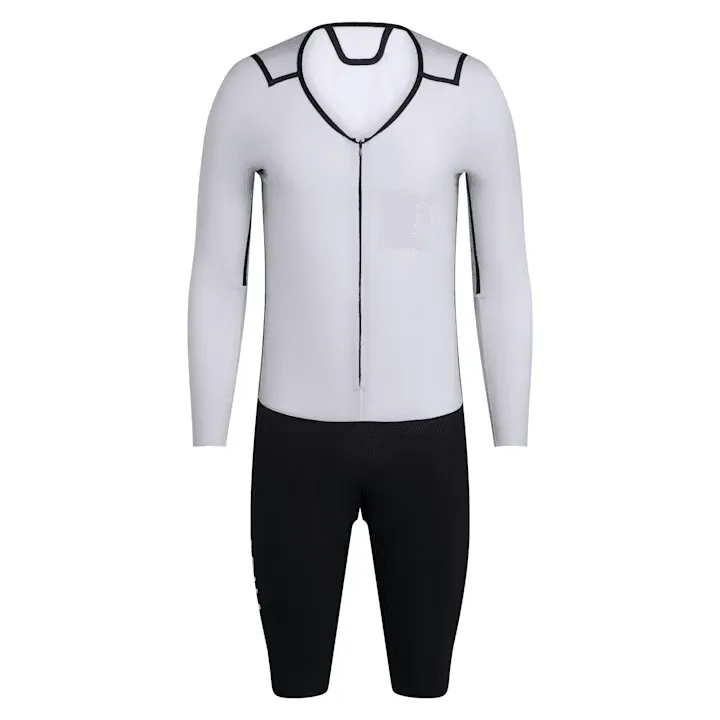
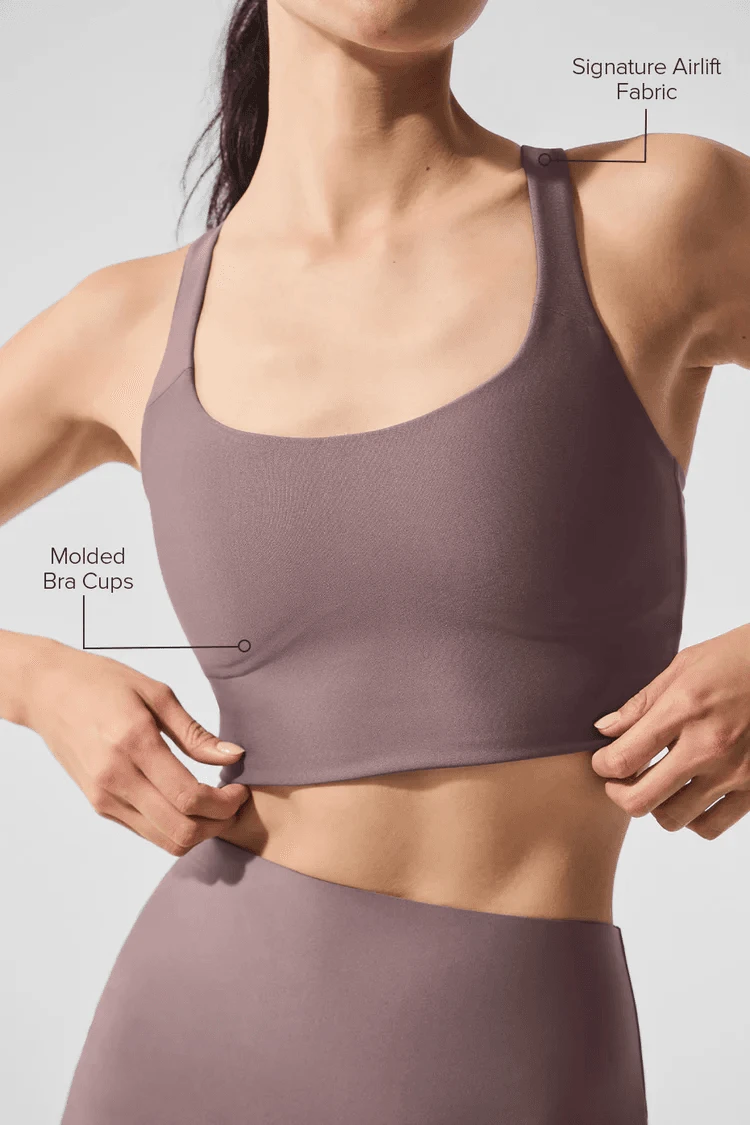
The fabric of your activewear plays a significant role in its fit and performance. Lightweight fabrics are often moisture-wicking, breathable, and stretchy, making them ideal for various physical activities. Here are some common fabric types used in lightweight activewear:
- Polyester: Known for its durability and moisture-wicking properties.
- Spandex: Provides excellent elasticity and stretch, ideal for form-fitting styles.
- Nylon: Lightweight and breathable, perfect for activewear.
- Merino Wool: Natural and breathable, great for temperature regulation.
How to Measure Your Body for Activewear
Accurate body measurements are key to finding the right fit. Here’s how to measure yourself for activewear:
Essential Measurements
- Chest: Measure around the fullest part of your chest, keeping the tape snug but not tight.
- Waist: Measure around your natural waistline, just above your belly button.
- Hips: Measure around the fullest part of your hips while standing.
- Inseam: Measure from the top of your inner thigh down to your ankle.
Decoding Sizing Charts
Once you have your measurements, the next step is to consult the sizing chart specific to the brand you're interested in. Sizing charts typically convert your body measurements into numerical sizes. However, keep in mind that there can still be variations between brands.
Understanding Size Labels
- Numeric Sizes: Typically range from 0 to 16+ for women and 28 to 40+ for men.
- Letter Sizes: Often labeled as S, M, L, and XL, these sizes can correspond to a range of numeric sizes.
Common Sizing Issues in Activewear
Even with careful measurements and consultations of sizing charts, you may encounter various sizing issues when choosing activewear. Common problems include:
- Too Tight or Too Loose: This can happen due to brand variability or incorrect measurements.
- Incorrect Length: Inseams may vary, causing cropped lengths to fit differently than expected.
- Poor Fabric Stretch: Some materials may not provide the expected degree of give.
Finding the Right Fit for Your Body Shape
Understanding your body shape is essential in selecting the right activewear for a flattering fit. Here are tips based on common body shapes:
Body Shape Considerations
- Athletic: Look for fitted styles that enhance your natural shape.
- Curvy: Opt for high-waisted leggings and tops with a defined waist.
- Petite: Choose cropped lengths to avoid overwhelming your frame.
- Tall: Seek out brands that offer extended inseams and longer tops.
Tips for Buying Lightweight Activewear Online
Online shopping for activewear can be rewarding but poses challenges regarding sizing. Here are some tips to help you navigate the online landscape effectively:
- Read Customer Reviews: Look for insights on sizing accuracy and fit from previous buyers.
- Check Return Policies: Ensure you can return or exchange items that don’t fit as expected.
- Utilize Virtual Fit Tools: Some retailers offer virtual fitting solutions to assist with sizing.
Frequently Asked Questions
What if I'm between sizes?
If you're between sizes, consider the type of fit you prefer. For a looser fit, size up; for a tighter fit, size down. Additionally, look for brands that offer a range of sizes, including plus sizes, for more options.
How can I ensure proper fit when shopping online?
Always take your measurements before shopping, consult the sizing chart specific to the brand, and read customer reviews regarding fit.
Are there sizing standards for activewear?
While there are general sizing standards, activewear sizing can vary significantly by brand and style. It's crucial to review sizing charts for each brand you shop.
What is the best fabric for activewear?
The best fabric for activewear largely depends on the activity. Look for moisture-wicking, breathable, and stretchy fabrics like polyester and spandex for optimal performance.
How often should I replace my activewear?
Activewear should be replaced when it shows signs of wear and tear, loses elasticity, or no longer provides the support you need during activities. Generally, this can be every 6 to 12 months, depending on usage.
Conclusion
Finding the right fit in lightweight activewear is essential for achieving comfort, performance, and style. By understanding sizing, measuring your body accurately, and considering the specific needs of your body shape, you can make informed choices that enhance your active lifestyle. Always remember to consult sizing charts, read customer reviews, and explore various fabric types to ensure you find the activewear that perfectly suits your needs. Armed with this knowledge, you’re now ready to shop confidently and find your ideal fit.
Lightweight activewear




Whatsapp/Phone
Email(Terry)
Email:
Address
No.926 NanHuan Road,ChangTai Street,LiCheng District,Quanzhou,FuJian,China.