







01
2026
-
01
Finding the Perfect Fit: A Comprehensive Guide to Sizing Jogging Clothes
Author:
Finding the Perfect Fit: A Comprehensive Guide to Sizing Jogging Clothes Jogging is more than just a form of exercise; it’s a lifestyle choice that promotes health and well-being. However, the right jogging experience hinges significantly on the clothing you choose. This guide will navigate you through the process of selecting the perfect fit for your jogging clothes, ensuring that you enjoy your
Finding the Perfect Fit: A Comprehensive Guide to Sizing Jogging Clothes
Jogging is more than just a form of exercise; it’s a lifestyle choice that promotes health and well-being. However, the right jogging experience hinges significantly on the clothing you choose. This guide will navigate you through the process of selecting the perfect fit for your jogging clothes, ensuring that you enjoy your runs to the fullest.
Table of Contents
- Understanding Jogging Clothing Sizes
- Importance of the Right Fit
- Measuring Your Size for Jogging Clothes
- Jogging Clothing Materials and Their Impact on Fit
- Considering Body Types When Choosing Jogging Apparel
- Jogging Gear for Different Weather Conditions
- Styles of Jogging Clothes and What to Consider
- Frequently Asked Questions About Jogging Clothes
- Conclusion
Understanding Jogging Clothing Sizes
Jogging clothes come in various sizes and fits, which can often lead to confusion. Brands may have different sizing standards, so it is crucial to reference their specific size charts. Typically, jogging clothes are categorized into:
- **Small (S)**
- **Medium (M)**
- **Large (L)**
- **Extra Large (XL)**
- **Plus Sizes**
Most brands also provide a **size conversion chart** for international sizes. Understanding these details will help you select the right size without resorting to trial and error.
Importance of the Right Fit
The **fit of your jogging clothes** significantly impacts your performance. Clothes that are too tight can restrict movement, while those that are too loose may cause chafing and discomfort. A well-fitted outfit enhances mobility and allows for better airflow, which is essential during physical activity. Furthermore, the right fit can boost your confidence and make your jogging experience more enjoyable.
The Benefits of Choosing the Right Size
- Enhanced Comfort: Properly fitted clothes reduce chafing and discomfort, allowing you to focus on your workout.
- Increased Performance: A good fit can enhance your movement, helping you perform better during your runs.
- Improved Confidence: Wearing clothes that fit well boosts your self-esteem, making you more likely to enjoy your jogs.
Measuring Your Size for Jogging Clothes
To find your ideal jogging clothes size, accurate measurements are essential. Follow these steps to measure yourself correctly:
1. Gather Your Tools
You'll need a soft measuring tape, a pen, and paper to record your measurements.
2. Measure Your Chest
Wrap the tape around the fullest part of your chest, ensuring it is snug but not tight. Record this measurement in inches or centimeters.
3. Measure Your Waist
Find your natural waistline, which is the narrowest part of your torso. Again, wrap the tape around this measurement and note it down.
4. Measure Your Hips
Finally, measure around the widest part of your hips. This is crucial for fits that include shorts and joggers.
Jogging Clothing Materials and Their Impact on Fit
The choice of fabric significantly influences how jogging clothes fit and perform. Common materials include:
- Polyester: Durable and moisture-wicking, making it a popular choice for jogging.
- Nylon: Lightweight and stretchy, providing a comfortable fit that moves with you.
- Spandex: Often blended with other fabrics for added elasticity, enhancing fit and comfort.
- Merino Wool: Best for cooler climates, offering warmth and moisture-wicking properties.
When shopping, consider how each material behaves during physical activity and choose one that complements your jogging habits and environmental conditions.
Considering Body Types When Choosing Jogging Apparel
Everyone’s body is unique, and understanding your body type can assist in choosing the right jogging clothes. Common body types include:
1. Athletic Build
If you have a toned physique, opt for fitted clothes that highlight your shape without being restrictive.
2. Pear Shape
For those with wider hips and narrower shoulders, consider A-line tops and wide-leg joggers that provide balance.
3. Apple Shape
If you carry weight around your midsection, look for tops with an empire waist or drawstring pants that provide comfort without clinging.
4. Hourglass Figure
Choose fitted clothes that cinch at the waist to highlight curves while still allowing freedom of movement.
Jogging Gear for Different Weather Conditions
Your jogging experience can differ drastically depending on the weather. Here are key recommendations for various conditions:
1. Warm Weather
In warmer climates, opt for lightweight, breathable fabrics that wick moisture away from your body. Lightweight shorts and tank tops are ideal.
2. Cold Weather
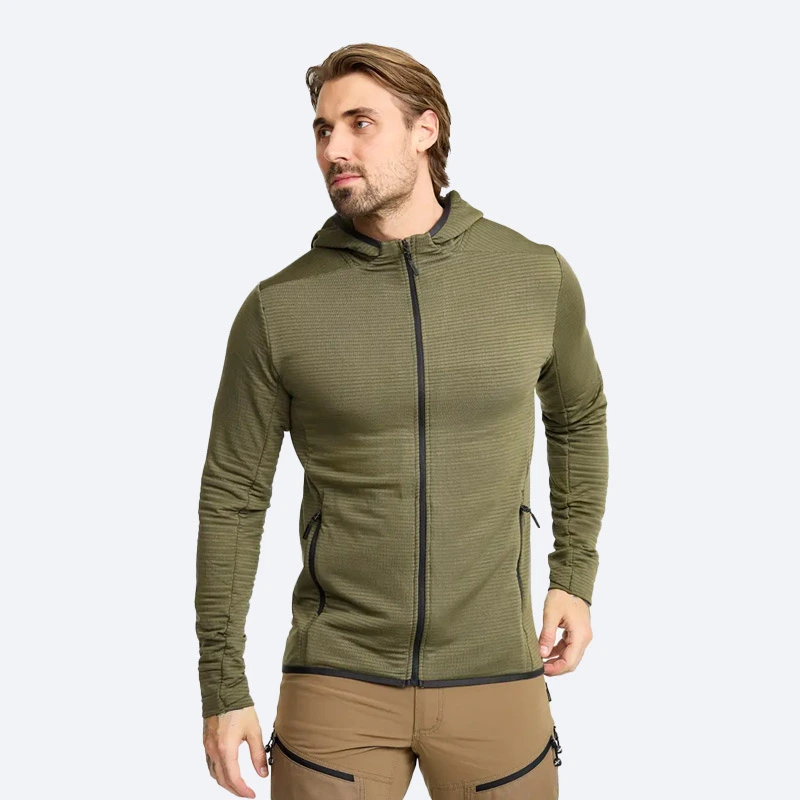
Layering is key during colder months. Start with moisture-wicking base layers, followed by insulating middle layers, and finish with a weather-resistant outer layer.
3. Rainy Weather
Invest in waterproof jackets and quick-dry materials. Avoid cotton, as it retains moisture and can lead to discomfort.
4. Windy Conditions
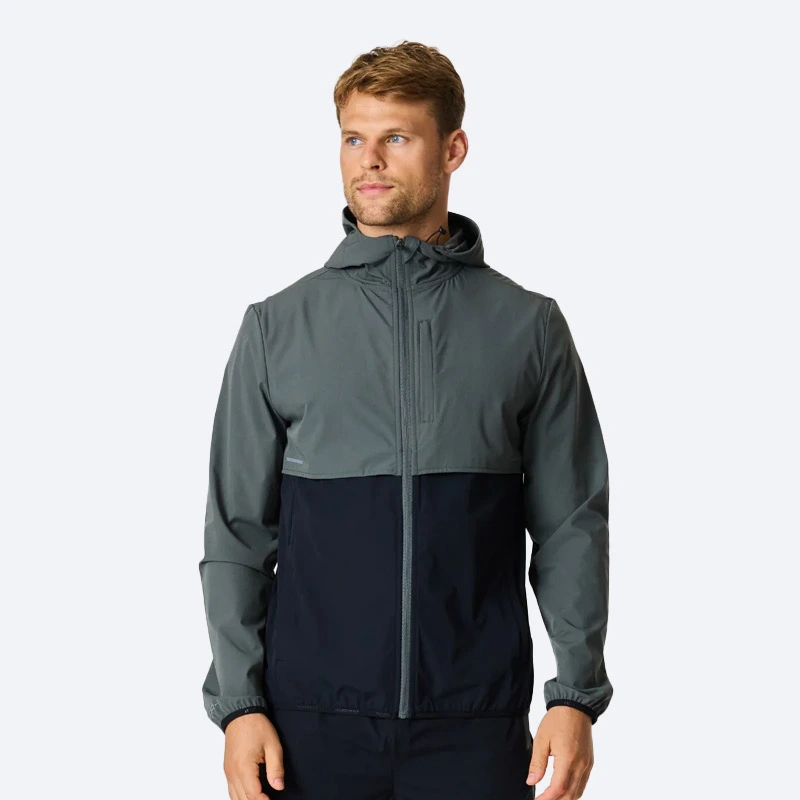
A windbreaker can be essential for running in windy conditions. Look for fitted styles that won’t flap while you run.
Styles of Jogging Clothes and What to Consider
When selecting jogging apparel, consider the following styles:
1. Jogging Shorts
These come in various lengths and fits, including loose-fitting and compression styles. Choose a pair that allows for ease of movement and comfort.
2. Running Tights
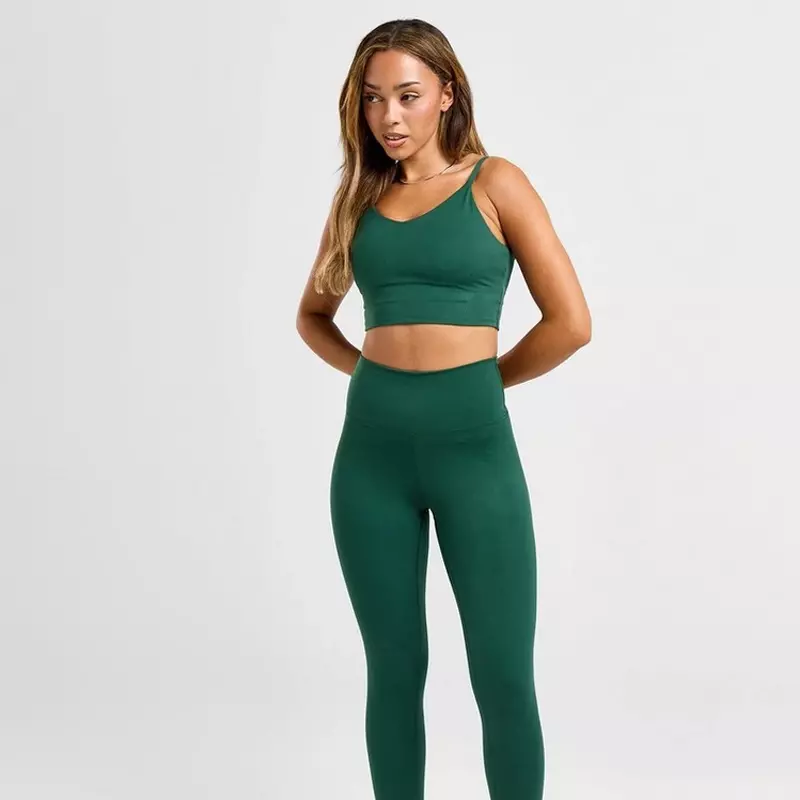
Perfect for cooler temperatures, running tights provide compression and warmth. Choose high-waisted options for added support.
3. Short-Sleeve and Long-Sleeve Tops
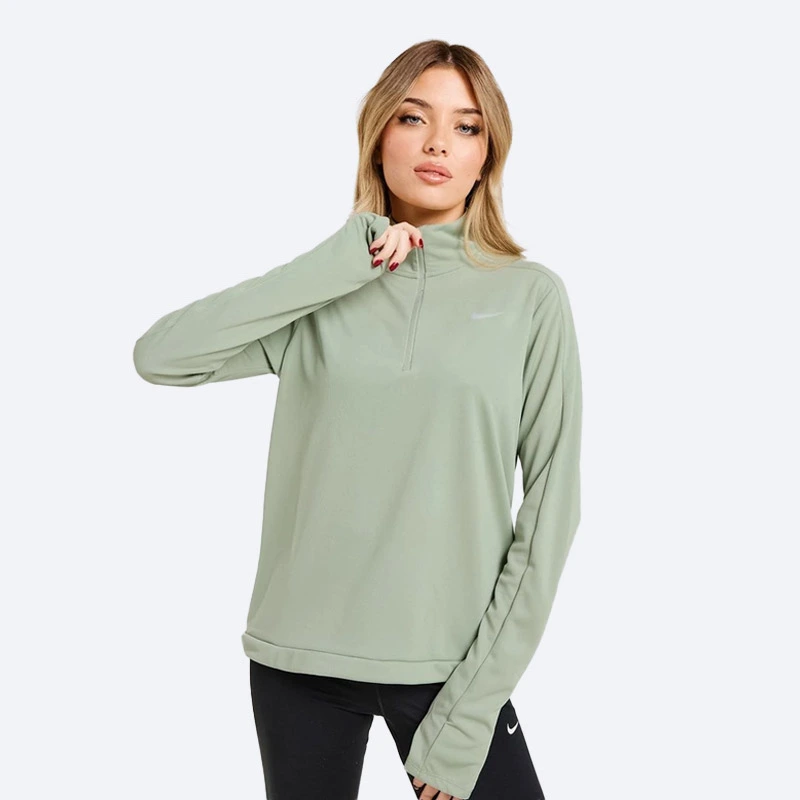
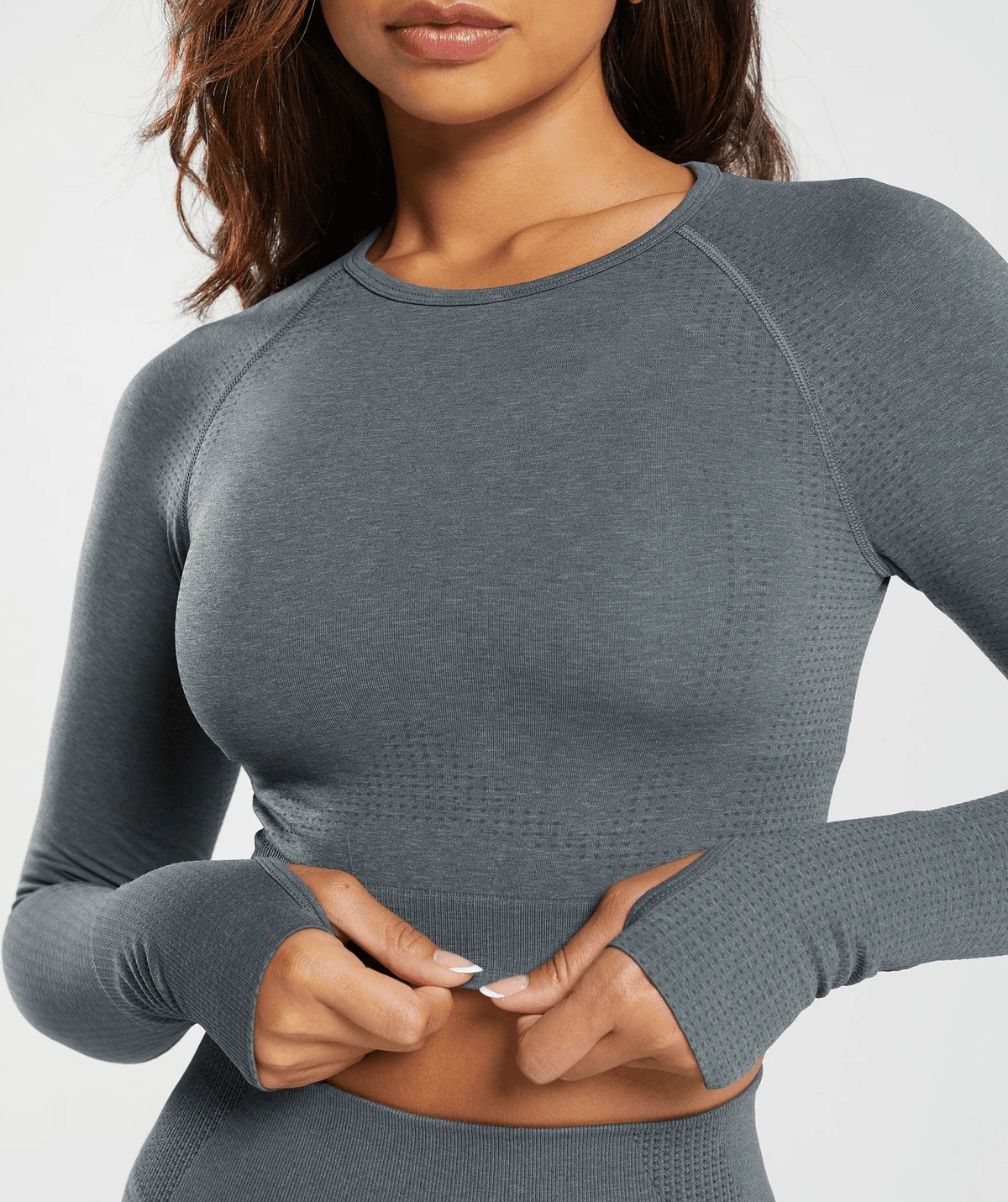
Short-sleeve shirts are ideal for warm weather, while long sleeves provide added coverage and warmth in cooler climates. Look for moisture-wicking fabrics.
4. Outerwear
Jackets and vests can provide protection against the elements. Look for features like pockets, ventilation, and reflectivity for safety during low-light conditions.
Frequently Asked Questions About Jogging Clothes
1. How do I know what size to order for jogging clothes?
Always refer to the brand’s size chart and measure yourself as described above. Consider reading customer reviews for insights into fit.
2. What fabric is best for jogging clothes?
Choosing moisture-wicking fabrics like polyester or nylon will help keep you dry and comfortable during your jogs.
3. Should I wear compression clothing while jogging?
Compression clothing can provide support and enhance blood circulation, potentially improving your performance during runs.
4. How often should I replace my jogging clothes?
Replace your jogging clothes when you notice wear and tear or when the fabric loses its moisture-wicking properties, usually every 6-12 months depending on usage.
5. Can I wear regular workout clothes for jogging?
While you can wear regular workout clothes, it’s best to choose attire specifically designed for jogging to ensure optimal performance and comfort.
Conclusion
Finding the perfect fit for your jogging clothes is essential for enhancing your comfort and performance. By understanding size charts, considering your body type, and selecting the right materials, you can ensure an enjoyable jogging experience. Whether you’re a seasoned runner or just starting, wearing properly fitted clothes will motivate you to lace up your shoes and hit the pavement. Embrace the journey of finding your ideal jogging gear, and let it empower you to achieve your fitness goals.
jogging clothes




Whatsapp/Phone
Email(Terry)
Email:
Address
No.926 NanHuan Road,ChangTai Street,LiCheng District,Quanzhou,FuJian,China.