






11
2026
-
01
The Best Fabrics for Running Wear: What You Need to Know
Author:
The Best Fabrics for Running Wear: What You Need to Know Running is one of the most popular forms of exercise, providing numerous health benefits and an exhilarating way to enjoy the outdoors. However, the right apparel can significantly enhance your running experience. The fabrics you choose play a vital role in your comfort, performance, and overall enjoyment. In this guide, we will delve into t
The Best Fabrics for Running Wear: What You Need to Know
Running is one of the most popular forms of exercise, providing numerous health benefits and an exhilarating way to enjoy the outdoors. However, the right apparel can significantly enhance your running experience. The fabrics you choose play a vital role in your comfort, performance, and overall enjoyment. In this guide, we will delve into the best fabrics for running wear, helping you make informed choices for your athletic wardrobe.
Table of Contents
- 1. Introduction to Running Fabrics
- 2. Importance of Choosing the Right Fabric
- 3. Types of Fabrics Suitable for Running
- 3.1 Polyester: The All-Rounder
- 3.2 Nylon: Durability and Flexibility
- 3.3 Merino Wool: Natural and Comfortable
- 3.4 Spandex: Stretch and Support
- 3.5 Bamboo: Eco-Friendly and Moisture-Wicking
- 4. Moisture-Wicking Fabrics Explained
- 5. The Importance of Breathability in Running Wear
- 6. Layering Techniques for Different Weather Conditions
- 7. Caring for Your Running Fabrics
- 8. Conclusion
- 9. Frequently Asked Questions
1. Introduction to Running Fabrics
When it comes to running, the fabric of your clothing can make or break your performance. As you pound the pavement (or trail), your body generates heat and sweat, creating the need for materials that can manage moisture, provide comfort, and allow for movement. Understanding the various options available can lead to better choices in your running gear.
2. Importance of Choosing the Right Fabric
Selecting the right fabric is essential for multiple reasons:
- **Comfort:** The fabric directly affects how comfortable you feel during your run. Materials that irritate the skin can lead to chafing and discomfort.
- **Moisture Management:** Fabrics that wick away sweat reduce the likelihood of feeling clammy and can help regulate body temperature.
- **Durability:** Quality fabrics withstand the rigors of running, allowing you to get the most out of your gear over time.
- **Performance:** Specialized fabrics can enhance your running performance by providing compression, support, and breathability.
3. Types of Fabrics Suitable for Running
Choosing the right fabric involves assessing its properties and how they align with your running needs. Below are some of the most popular fabrics used in running wear.
3.1 Polyester: The All-Rounder
Polyester is one of the most common materials used in athletic wear for good reason. It offers excellent moisture-wicking properties, allowing sweat to evaporate quickly and keeping you dry. Additionally, polyester is durable, lightweight, and resistant to shrinking and stretching.
3.2 Nylon: Durability and Flexibility
Nylon is another popular choice for running wear due to its strength and flexibility. It is resistant to abrasion, making it ideal for outdoor running. Nylon blends well with other fabrics, enhancing moisture management while also providing a comfortable fit.
3.3 Merino Wool: Natural and Comfortable
Merino wool is a fantastic natural option that excels in temperature regulation. It keeps you warm in cold weather and cool when it's hot. Additionally, merino wool has natural moisture-wicking and odor-resistant properties, making it an excellent choice for long-distance runners.
3.4 Spandex: Stretch and Support
Spandex, often blended with other fabrics, is key for creating form-fitting apparel that allows freedom of movement. Its elasticity provides support and compression, reducing muscle fatigue during runs. Look for spandex blends in tights, shorts, and tops for optimal performance.
3.5 Bamboo: Eco-Friendly and Moisture-Wicking
Bamboo fabric is gaining popularity due to its sustainability and comfort. This natural textile possesses excellent moisture-wicking properties while also being breathable and soft against the skin. It's a fantastic option for environmentally conscious runners seeking an alternative to synthetic materials.
4. Moisture-Wicking Fabrics Explained
Moisture-wicking fabrics work by pulling sweat away from the skin and distributing it across the surface of the fabric, allowing for quicker evaporation. This process helps maintain a comfortable temperature and minimizes chafing. When choosing running gear, look for labels that specify moisture-wicking properties to ensure maximum comfort on your runs.
5. The Importance of Breathability in Running Wear
Breathability refers to a fabric's ability to allow air circulation while also permitting moisture vapor to escape. This is crucial in preventing overheating. Fabrics like polyester and merino wool are known for their breathability, making them ideal for runners who train in various weather conditions. Always consider breathability as a factor when selecting your running apparel.
6. Layering Techniques for Different Weather Conditions
Layering your running clothes appropriately can greatly enhance your comfort and performance, especially in varying weather conditions.
6.1 Cool Weather
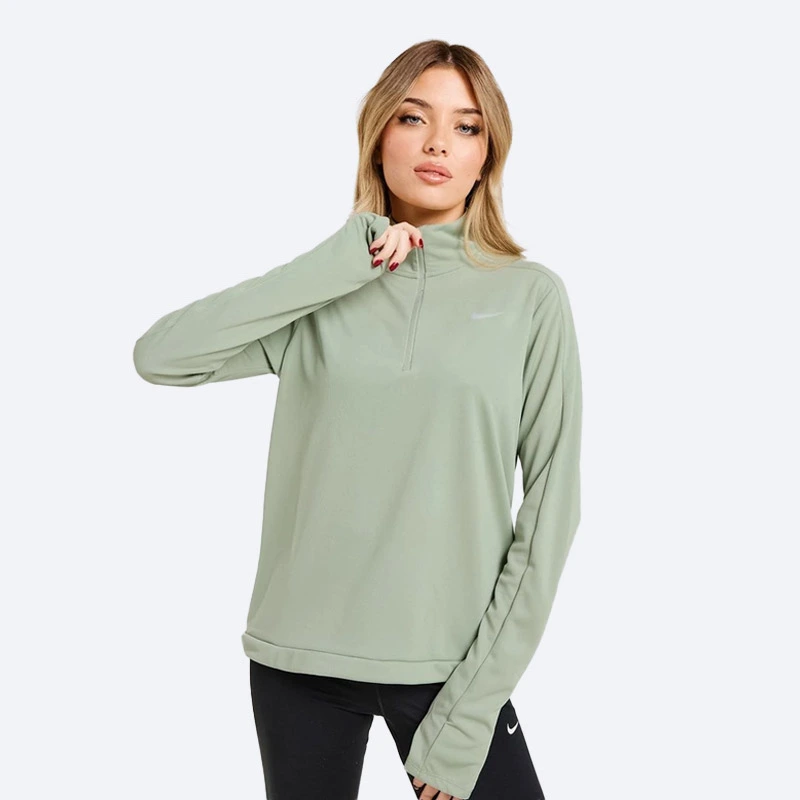
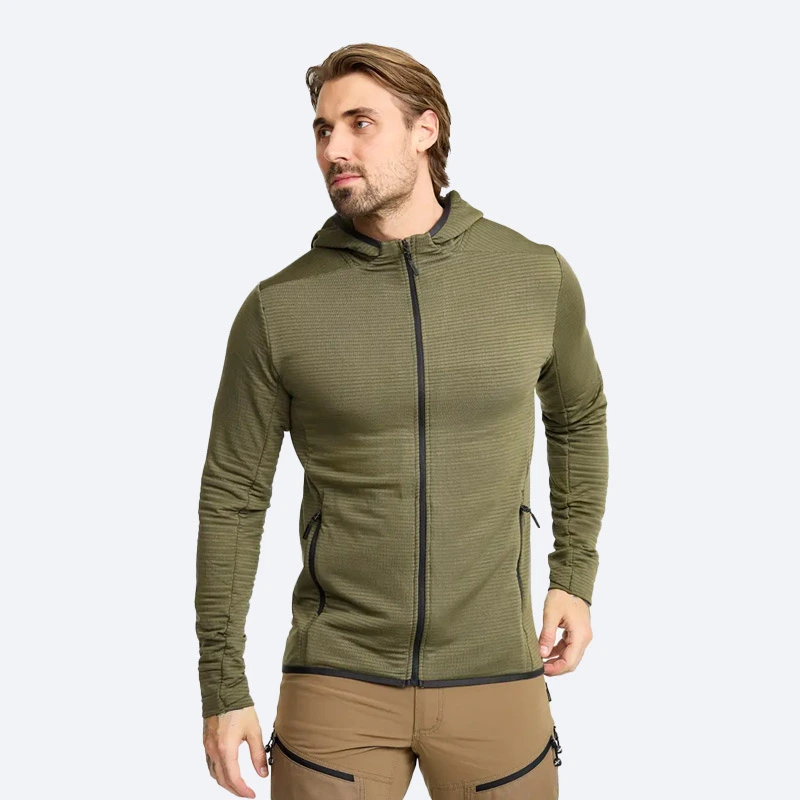
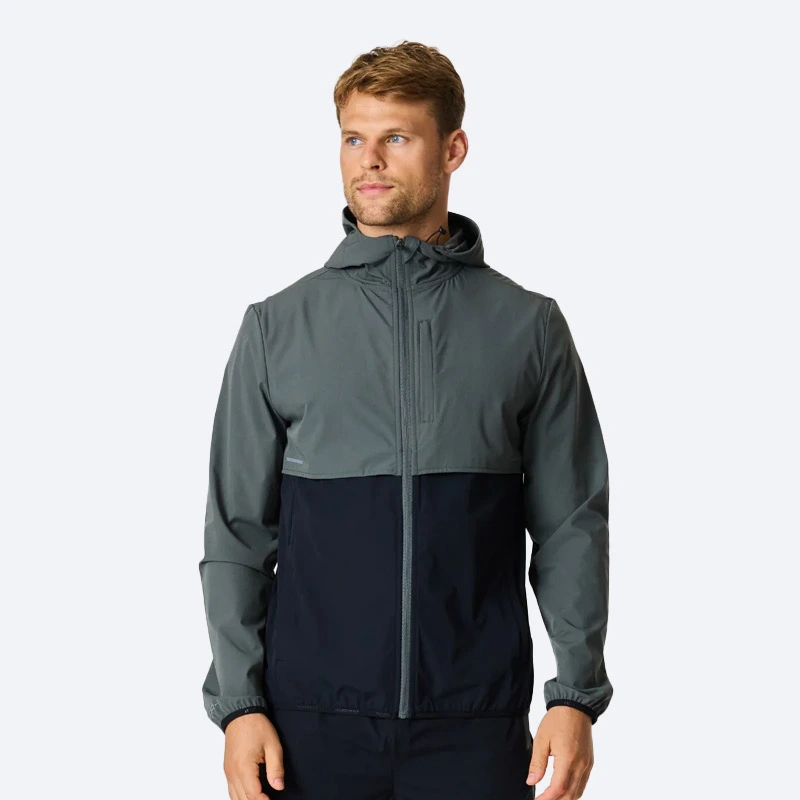
In cool weather, start with a moisture-wicking base layer, add an insulating middle layer (like fleece or merino wool), and finish with a windproof or waterproof outer layer. This strategy traps warmth while allowing moisture to escape.
6.2 Warm Weather
For warm conditions, opt for light, breathable fabrics. A short-sleeve or tank top made from moisture-wicking material paired with lightweight shorts will help keep you cool.
7. Caring for Your Running Fabrics
Taking proper care of your running clothes will extend their lifespan and maintain their performance. Here are some tips:
- **Washing:** Always follow the care instructions on the label. Use cold water and a gentle detergent to preserve fabric integrity.
- **Drying:** Avoid high-heat drying, as it can damage moisture-wicking properties. Instead, air dry or use a low-heat setting.
- **Storage:** Store your running gear in a cool, dry place to prevent mildew and deterioration.
8. Conclusion
Choosing the right fabrics for running wear is crucial for optimizing your performance and comfort. By understanding the unique properties of various materials, you can make informed decisions that enhance your running experience. Whether you prefer polyester for its versatility, merino wool for its natural comfort, or bamboo for its eco-friendliness, the right fabric can make all the difference in your runs.
9. Frequently Asked Questions
What are the best fabrics for summer running?
The best fabrics for summer running include lightweight and breathable options like polyester and nylon. Look for moisture-wicking properties to keep you cool and dry.
Should I wear cotton while running?
It's advisable to avoid cotton for running as it retains moisture, which can lead to chafing and discomfort. Opt for synthetic or natural moisture-wicking fabrics instead.
How often should I replace my running clothes?
Replace your running clothes when you notice a decline in their performance, such as reduced moisture-wicking ability, fading colors, or visible wear and tear. Generally, high-quality running gear can last several months to a few years with proper care.
Can I wear running clothes for other activities?
Absolutely! Running clothes are versatile and can be used for various activities such as hiking, cycling, or yoga. Their comfort and moisture management make them suitable for many forms of exercise.
What should I look for in running shorts?
When choosing running shorts, look for lightweight, breathable materials with moisture-wicking properties. Features like built-in liners and pockets for essentials can also enhance your running experience.
By arming yourself with knowledge about the best fabrics for running wear, you can select gear that enhances your performance, keeps you comfortable, and looks great on your runs. Happy running!
Running Wear



Whatsapp/Phone
Email(Terry)
Email:
Address
No.926 NanHuan Road,ChangTai Street,LiCheng District,Quanzhou,FuJian,China.