







04
2026
-
02
Mastering the Art of Layering: A Comprehensive Guide to High-Performance Jackets
Author:
How to Layer Effectively with a High-Performance Jacket Table of Contents Understanding Layering Techniques The Importance of High-Performance Jackets Choosing the Right High-Performance Jacket Selecting Effective Base Layers Benefits of Mid-Layers for Insulation Essentials of Outer Layers and Jackets Proven Layering Tips and Techniques Common Layering Mistakes to
How to Layer Effectively with a High-Performance Jacket
Table of Contents
- Understanding Layering Techniques
- The Importance of High-Performance Jackets
- Choosing the Right High-Performance Jacket
- Selecting Effective Base Layers
- Benefits of Mid-Layers for Insulation
- Essentials of Outer Layers and Jackets
- Proven Layering Tips and Techniques
- Common Layering Mistakes to Avoid
- Caring for Your High-Performance Jacket
- Conclusion
- FAQs
Understanding Layering Techniques
Layering is a fundamental principle in outdoor clothing, enabling you to adapt to changing weather conditions while maintaining comfort. The technique involves wearing multiple garments that work together to provide insulation, moisture management, and protection against the elements. This article delves into the intricacies of layering to help you master the art.
Why Layering Matters
Effective layering protects against temperature fluctuations, prevents overheating, and allows for easy adjustment as conditions change. When you wear a high-performance jacket as part of a layered outfit, you gain flexibility and can significantly enhance your outdoor experience.
The Importance of High-Performance Jackets
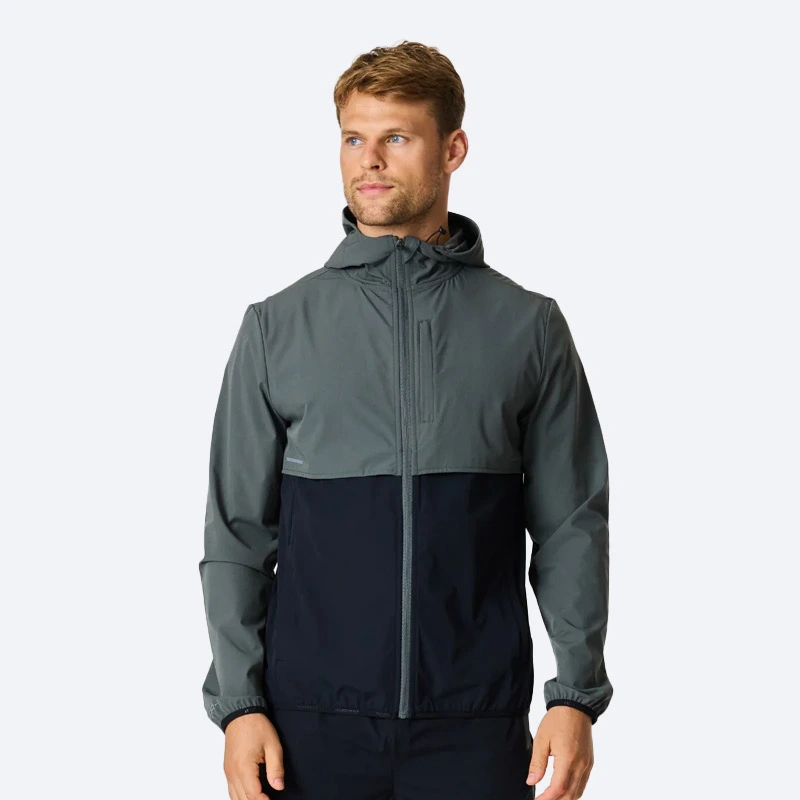
A high-performance jacket is more than just a fashionable outer layer. It plays a crucial role in your overall comfort and protection. Here are some key features that make high-performance jackets essential:
1. Weather Resistance
High-performance jackets are crafted from advanced materials that offer windproof and waterproof capabilities. This means you can venture into unpredictable conditions without fear of getting soaked or chilled.
2. Breathability
A good jacket balances insulation and breathability. This ensures that sweat is wicked away from your body, keeping you dry and comfortable during physical activities.
3. Insulation Properties
Many high-performance jackets incorporate insulation materials, such as down or synthetic fibers. These materials trap warmth while remaining lightweight, providing optimal thermal regulation.
Choosing the Right High-Performance Jacket
Selecting the right high-performance jacket is crucial for effective layering. Consider the following factors when making your choice:
1. Intended Use
Different activities require different types of jackets. Whether you’re hiking, skiing, or simply commuting, there are specific jackets designed to meet those needs.
2. Fit and Comfort
A well-fitting jacket allows for easy movement while accommodating layers beneath. Look for jackets with adjustable features, such as cuffs and hems, to enhance comfort.
3. Material Composition
Assess the fabric of the jacket. Look for options with a durable water-repellent (DWR) finish, breathable membranes, and insulation that matches your climate needs.
Selecting Effective Base Layers
The base layer sits closest to your skin and serves to manage moisture and regulate body temperature. Here’s how to choose the right one:
1. Fabric Choice
Opt for moisture-wicking materials like merino wool or synthetic blends. These fabrics draw sweat away from your body, keeping you dry and comfortable.
2. Fit Matters
Base layers should fit snugly without being restrictive. They should act like a second skin, providing warmth without bulk.
3. Weight Considerations
Base layers come in various weights—lightweight, midweight, and heavyweight. Choose based on the climate and your activity level. Lightweight options are ideal for warmer conditions, while heavyweight layers provide extra warmth in colder environments.
Benefits of Mid-Layers for Insulation
The mid-layer provides insulation and should retain your body heat without adding excessive bulk. Here are some considerations:
1. Insulation Types
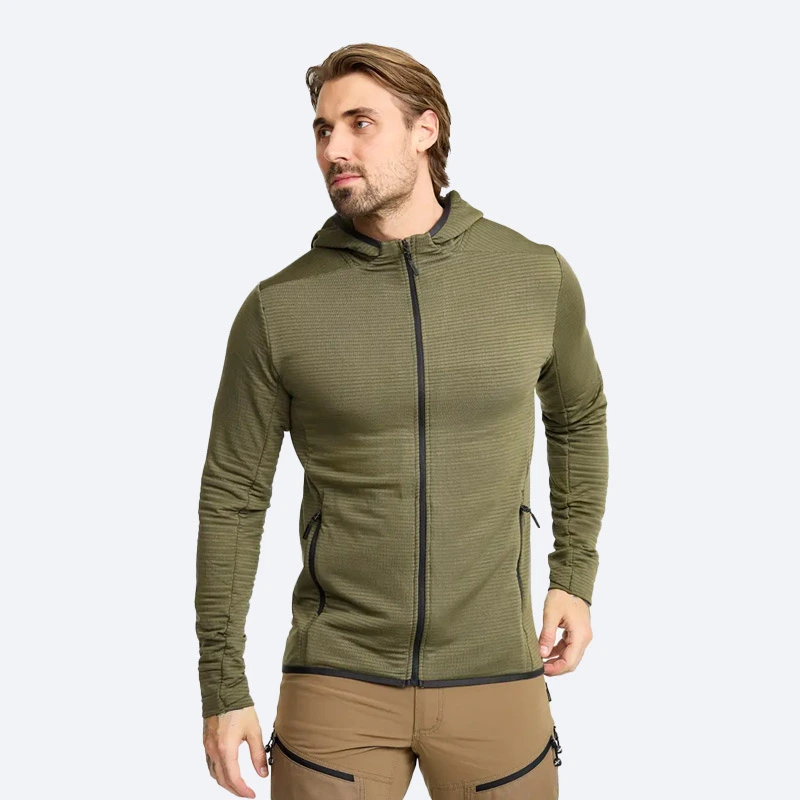
Common mid-layer materials include fleece, down, and synthetic insulations. Each has its benefits; fleece offers breathability, while down provides significant warmth.
2. Versatility
A good mid-layer should be versatile enough to wear on its own or under a jacket. This flexibility allows for easy adjustments based on activity and temperature.
3. Zip vs. Pullover
Mid-layers come in various styles, including zip-up and pullover options. Zip-up styles offer better ventilation, while pullovers can be warmer and less bulky.
Essentials of Outer Layers and Jackets
The outer layer is your first line of defense against the elements. Here’s what to look for:
1. Weatherproofing
Ensure your outer layer is equipped with water-resistant features. Look for jackets with taped seams and adjustable hoods for maximum protection.
2. Weight and Packability
Choose a lightweight, packable jacket if you plan to carry it during your activities. This feature allows for easy storage and quick access when needed.
3. Pocket Placement
Consider the placement of pockets on the jacket. They should be easily accessible and secure enough to hold essentials without interfering with movement.
Proven Layering Tips and Techniques
To maximize the effectiveness of your layering system, consider these expert tips:
1. Start with the Right Base Layer
The success of your layering strategy hinges on your choice of base layer. Ensure it fits well and manages moisture effectively.
2. Opt for Adjustable Mid-Layers
Choose mid-layers with zippers or adjustable features that allow you to regulate your temperature easily.
3. Test Your Layers
Before embarking on an outdoor venture, test your layering system during a lighter activity. This will help you identify any adjustments needed for comfort.
4. Layer According to Activity
Your layering strategy should adapt to your activity level. For high-intensity activities, opt for lighter layers, while lower-intensity activities may require additional insulation.
Common Layering Mistakes to Avoid
To ensure your layering system functions effectively, steer clear of these common missteps:
1. Overlayering
Wearing too many layers can trap heat and lead to overheating. Stick to the essentials for your activity level.
2. Ignoring Fit
Each layer should fit well without being too tight or too loose. A poor fit can hinder movement and reduce effectiveness.
3. Neglecting Fabric Types
Not all fabrics are created equal. Be mindful of your material choices to ensure moisture management and insulation.
Caring for Your High-Performance Jacket
Proper care extends the life of your high-performance jacket and keeps it functioning effectively. Follow these guidelines:
1. Read Care Labels
Always adhere to the manufacturer’s care instructions to maintain the jacket’s performance features.
2. Avoid Fabric Softeners
Fabric softeners can coat the fibers and diminish the breathability and moisture-wicking properties of your jacket.
3. Regular Washing
Wash your jacket periodically to remove dirt and oils that can affect its performance. Use a gentle detergent, and consider using a washing bag to protect it.
Conclusion
Mastering the art of layering with a high-performance jacket is essential for anyone looking to enjoy outdoor activities in comfort and style. By understanding the purpose of each layer, choosing the right materials, and implementing effective strategies, you can elevate your outdoor experience. Remember to care for your jacket properly to ensure it remains a reliable companion for many adventures to come.
FAQs
1. What is the best fabric for base layers?
The best fabrics for base layers are moisture-wicking materials like merino wool and synthetic blends. They effectively draw sweat away from your skin for optimal comfort.
2. How many layers should I wear?
The number of layers depends on the weather and activity level. Typically, three layers—a base, mid, and outer layer—are sufficient for most conditions.
3. Can I use a high-performance jacket for casual wear?
Absolutely! High-performance jackets often blend functionality with style, making them suitable for casual wear as well as outdoor activities.
4. How do I know if my jacket fits properly?
A properly fitting jacket should allow for movement without feeling restrictive. Check that you can comfortably reach overhead and that the jacket sits snugly at the shoulders.
5. How often should I wash my high-performance jacket?
Wash your jacket every few wears or when it becomes visibly dirty. Always follow the manufacturer's care instructions to maintain its performance features.
By following the guidelines and insights provided in this article, we can ensure a successful and stylish layering experience with a high-performance jacket.
High-performance jacket





Whatsapp/Phone
Email(Terry)
Email:
Address
No.926 NanHuan Road,ChangTai Street,LiCheng District,Quanzhou,FuJian,China.