






08
2026
-
02
Ultimate Fitness Wear Hacks: Essential Tips for Care and Maintenance
Author:
Ultimate Fitness Wear Hacks: Essential Tips for Care and Maintenance Table of Contents 1. Introduction to Fitness Wear Maintenance 2. Understanding the Fabrics of Fitness Wear 3. Washing Techniques for Optimal Care 3.1 Choosing the Right Detergent 3.2 Importance of Water Temperature 3.3 Effective Drying Methods 4. Best Storage
Ultimate Fitness Wear Hacks: Essential Tips for Care and Maintenance
Table of Contents
- 1. Introduction to Fitness Wear Maintenance
- 2. Understanding the Fabrics of Fitness Wear
- 3. Washing Techniques for Optimal Care
- 4. Best Storage Solutions for Fitness Wear
- 5. Dealing with Odors in Sports Apparel
- 6. Simple Repairs to Extend Lifespan
- 7. Tips for Specific Athletic Wear
- 8. Sustainability Tips for Fitness Fashion
- 9. Conclusion
- 10. Frequently Asked Questions
1. Introduction to Fitness Wear Maintenance
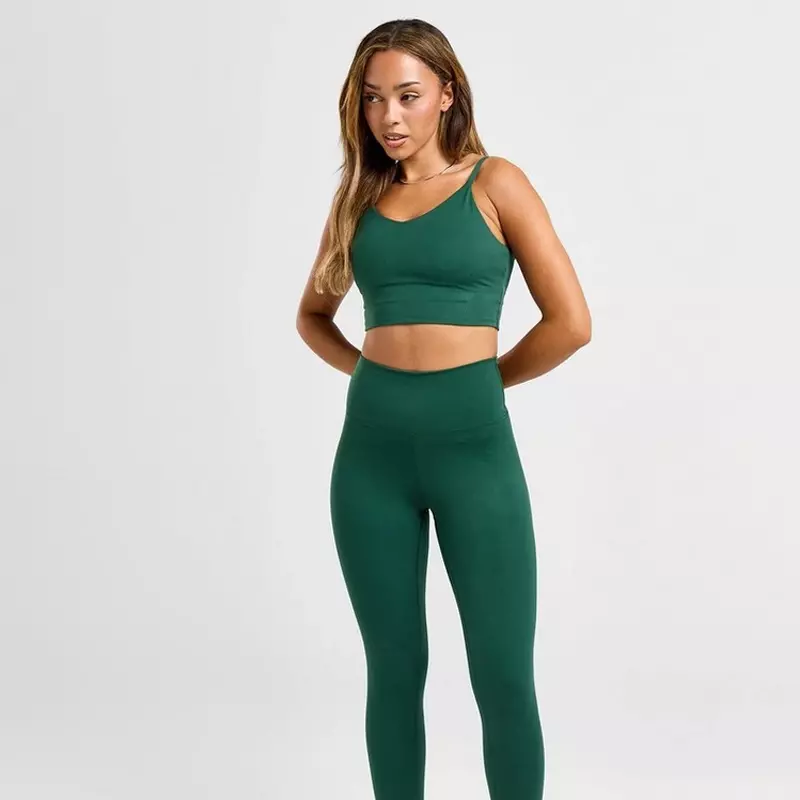
In today’s fitness-oriented world, the importance of maintaining your fitness wear cannot be overstated. Whether you love hitting the gym, performing in dance showcases, or cheering at events, your clothing plays an essential role in your performance and comfort. Proper care and maintenance of your fitness apparel not only enhance its longevity but also keep you looking stylish and feeling comfortable. In this ultimate guide, we’ll share expert hacks and tips that will help you care for your fitness attire, from gym clothes to dance outfits and cheerleader uniforms.
2. Understanding the Fabrics of Fitness Wear
The first step in caring for your fitness wear is understanding the different types of fabrics used in their construction. Fitness apparel is often made from specialized materials designed for performance, such as polyester, nylon, and spandex. These fabrics have unique properties that require specific care to maintain their functionality and appearance.
2.1 Polyester and Nylon
Polyester and nylon are popular choices for gym wear due to their durability and moisture-wicking properties. They can handle rigorous workouts while keeping you dry. However, these fabrics can also trap odors if not properly cared for, so understanding how to wash them is essential.
2.2 Spandex and Blends
Spandex, often blended with other materials, provides elasticity and flexibility. While it allows for ease of movement, it is sensitive to heat and should never be exposed to high temperatures during washing or drying.
3. Washing Techniques for Optimal Care
Proper washing techniques are crucial for maintaining the integrity and longevity of your fitness wear. Here are some expert tips:
3.1 Choosing the Right Detergent
Selecting the right detergent can make a significant difference in the care of your fitness apparel. Opt for detergents that are free of bleach and fabric softeners, as these can degrade the performance of technical fabrics over time. Look for eco-friendly options that are specifically designed for activewear.
3.2 Importance of Water Temperature
The temperature of the water you use for washing can impact the performance of your fitness wear. Cold water is generally best for washing synthetic fabrics as it helps preserve their elasticity and color. Hot water can cause shrinking and damage to specialized materials, so avoid it.
3.3 Effective Drying Methods
Drying methods also play a significant role in maintaining your fitness clothes. Avoid using a dryer whenever possible; instead, hang your garments to air dry. If you must use a dryer, use the lowest heat setting, and consider using dryer balls to help separate the fabric and improve airflow.
4. Best Storage Solutions for Fitness Wear
How you store your fitness wear can affect its longevity. The proper storage can keep your clothes looking fresh and new.
4.1 Organizing Your Wardrobe
Keep your fitness wear organized by categorizing your pieces—whether by type (gym clothes, dance outfits, cheerleader uniforms) or by occasion. This organization helps you quickly access what you need and reduces the likelihood of wrinkling or damage.
4.2 Avoiding Damage
Store your fitness wear in a cool, dry place away from direct sunlight. UV rays can fade and weaken fabrics over time. Use breathable garment bags for added protection.
5. Dealing with Odors in Sports Apparel
Even the highest quality fitness wear can develop odors due to sweat and bacteria. Here are some tips for eliminating unwanted smells:
5.1 Pre-soaking Techniques
Pre-soaking your garments in a mixture of water and white vinegar can help eliminate odors. Soak for about 30 minutes before washing as usual.
5.2 Baking Soda Solution
Baking soda is another effective odor eliminator. Add half a cup of baking soda to your washing machine during the wash cycle to neutralize smells effectively.
6. Simple Repairs to Extend Lifespan
Fitness wear can encounter wear and tear over time. Repairing rather than replacing can save money and resources.
6.1 Fixing Small Tears
For small tears, a simple sewing kit can work wonders. Use a needle and thread to stitch up any holes, ensuring that you use a color that closely matches the fabric.
6.2 Replacing Elastic Bands
If the elastic in your leggings or shorts becomes loose, you can replace it. Open the waistband, remove the old elastic, and insert new elastic with a safety pin. This easy fix can breathe new life into your favorite workout gear.
7. Tips for Specific Athletic Wear
Different types of fitness wear may require unique care techniques. Here are targeted tips for various athletic apparel:
7.1 Gym Clothes
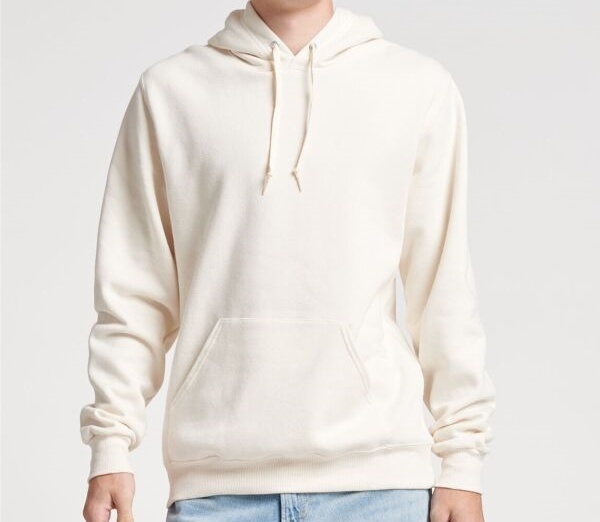
When caring for gym clothes, avoid using fabric softeners, as they can reduce moisture-wicking capabilities. Always read care labels for specifics.
7.2 Dance Outfits
Dance outfits, often made from lightweight fabrics, should be hand washed to avoid damage. Be gentle during the washing process, and never wring out these delicate materials.
7.3 Cheerleader Uniforms
Cheerleader uniforms often feature embellishments that require careful washing. Turn them inside out before washing and avoid heat drying. Air drying is the best option to preserve the integrity of the fabric and decorations.
8. Sustainability Tips for Fitness Fashion
In caring for your fitness wear, consider sustainable practices that benefit both your wardrobe and the environment.
8.1 Choose Quality Over Quantity
Invest in high-quality fitness wear that lasts longer. While the initial cost may be higher, the longevity and performance will ultimately save you money.
8.2 Recycle Old Fitness Wear
When it’s time to part with old fitness apparel, consider recycling options. Many brands offer take-back programs or donations to organizations that repurpose clothing.
9. Conclusion
Caring for your fitness wear doesn't have to be complicated. By understanding the materials, employing proper washing techniques, and being mindful of storage and repairs, you can keep your athletic apparel in prime condition for years. With these hacks, you'll not only enhance the lifespan of your clothing but also ensure you look and feel your best during every workout, dance performance, or cheerleading event.
10. Frequently Asked Questions
10.1 How often should I wash my fitness wear?
It’s recommended to wash your fitness wear after every use, especially if you’ve sweated in them.
10.2 Can I use bleach on my workout clothes?
No, bleach can damage the fibers in your fitness wear and should be avoided.
10.3 What’s the best way to remove stubborn stains from fitness apparel?
For stubborn stains, consider pre-treating them with a stain remover or natural solutions like vinegar or baking soda before washing.
10.4 Is it okay to dry clean fitness wear?
While some high-performance fabrics can be dry cleaned, it's usually better to stick to washing at home to avoid chemicals that may degrade the fabrics.
10.5 How can I prevent pilling on my fitness wear?
To prevent pilling, wash your fitness apparel inside out and avoid washing them with items that have zippers or hooks.
By following these expert tips and hacks, you can maintain a clean, fresh, and vibrant fitness wardrobe that supports your active lifestyle!
Fitness wear



Whatsapp/Phone
Email(Terry)
Email:
Address
No.926 NanHuan Road,ChangTai Street,LiCheng District,Quanzhou,FuJian,China.