





14
2026
-
02
Discover the Unique Features of Trail Cycling Wear for Ultimate Performance
Author:
Unique Features of Trail Cycling Wear You Should Know Cycling on trails demands more than just a conventional bike and helmet; it requires specialized clothing designed to enhance performance and comfort during your ride. Trail cycling wear is engineered with features that cater to the unique demands of outdoor cycling. In this article, we delve into the unique features of trail cycling wear, high
Unique Features of Trail Cycling Wear You Should Know
Cycling on trails demands more than just a conventional bike and helmet; it requires specialized clothing designed to enhance performance and comfort during your ride. Trail cycling wear is engineered with features that cater to the unique demands of outdoor cycling. In this article, we delve into the unique features of trail cycling wear, highlighting how they can significantly improve your riding experience.
Table of Contents
- 1. Understanding Trail Cycling Wear
- 2. Breathable Fabrics for Comfort
- 3. Moisture-Wicking Technology Explained
- 4. Ergonomic Designs for Better Movement
- 5. Durability and Resistance to Wear
- 6. UV Protection in Trail Cycling Wear
- 7. Pockets and Storage Solutions
- 8. Choosing the Right Trail Cycling Wear
- 9. FAQs About Trail Cycling Wear
1. Understanding Trail Cycling Wear
Trail cycling wear encompasses a range of specialized clothing designed to meet the rigors of biking in various terrains. Unlike road cycling apparel, which focuses primarily on aerodynamics, trail cycling gear prioritizes comfort, protection, and functionality. This wear is tailored for the unpredictable conditions of outdoor trails, ensuring that cyclists can perform at their best, regardless of the environment.
Key Characteristics of Trail Cycling Wear
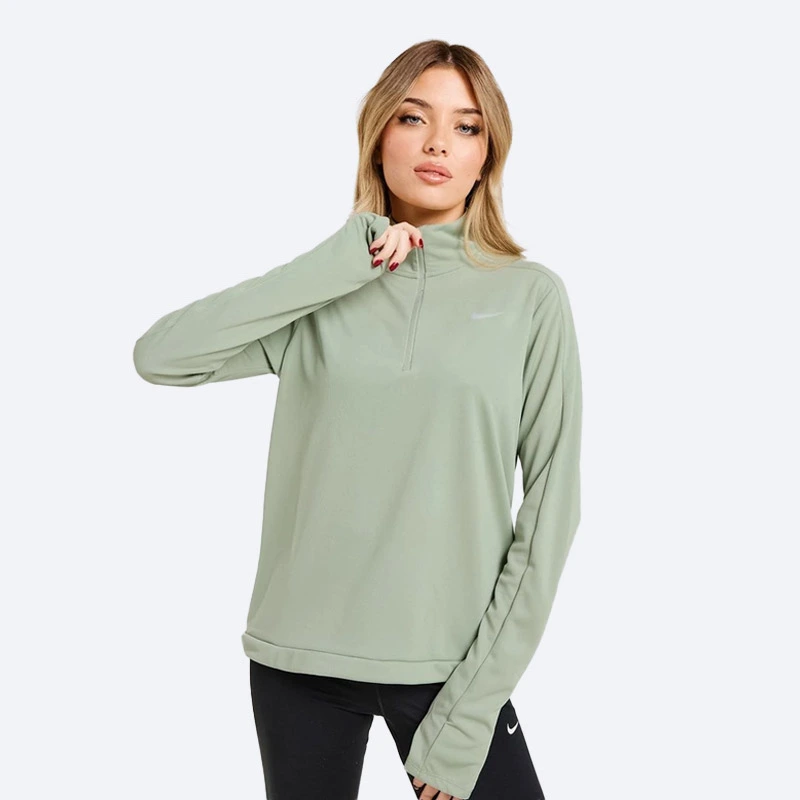
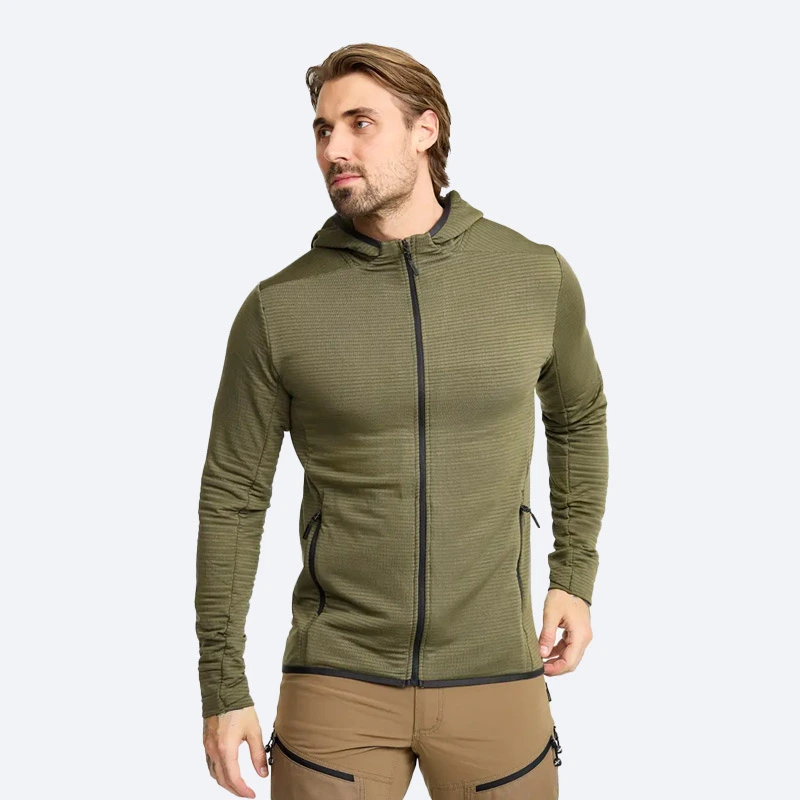
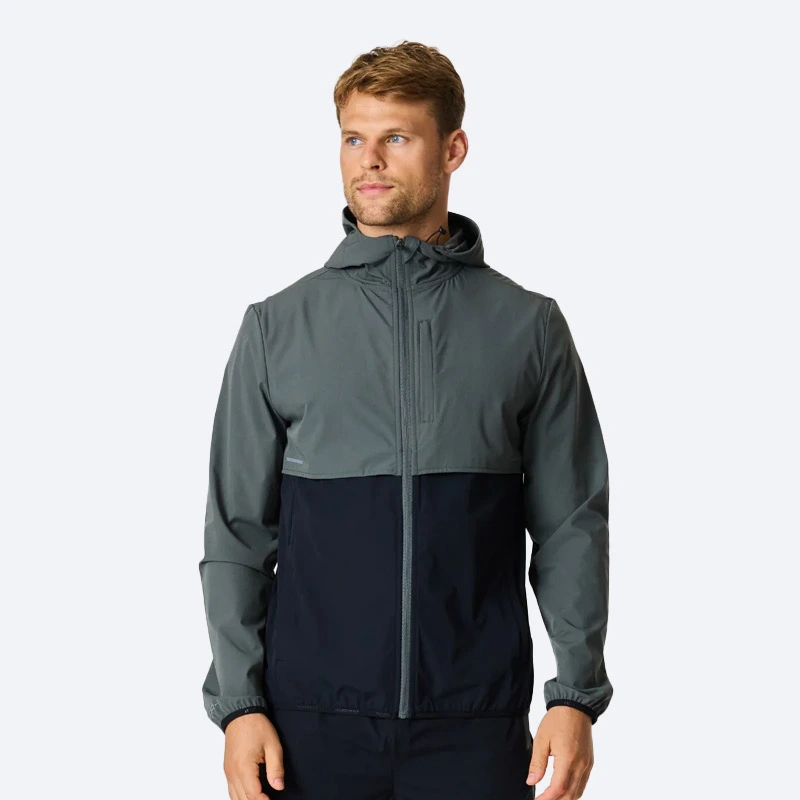
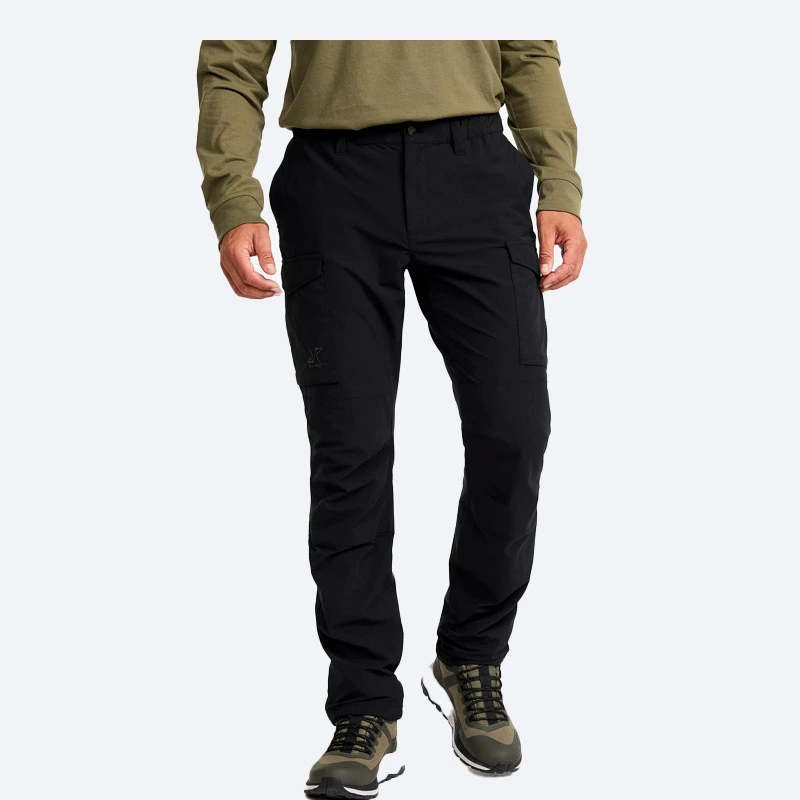
Trail cycling apparel typically includes jerseys, shorts, jackets, gloves, and accessories, each crafted with specific features:
- **Breathability**: Essential for temperature control.
- **Moisture-wicking**: Keeps the body dry during intense rides.
- **Durability**: Designed to withstand rough conditions.
- **Pockets**: Convenient for carrying essentials.
2. Breathable Fabrics for Comfort
One of the most important features of trail cycling wear is its breathability. The right fabric allows air to circulate, preventing overheating during strenuous rides. Fabrics such as polyester and nylon are commonly used because they offer exceptional breathability without compromising on durability.
Types of Breathable Fabrics
Different types of breathable fabrics enhance comfort:
- **Mesh Panels**: Often incorporated into jerseys, they increase airflow.
- **Lightweight Materials**: These fabrics do not weigh you down during rides.
- **Ventilation Zones**: Strategically placed to optimize airflow.
3. Moisture-Wicking Technology Explained
Moisture-wicking technology is pivotal in trail cycling wear, especially during long rides where sweat can lead to discomfort. This technology draws moisture away from the skin to the outer layer of the fabric, where it can evaporate quickly. As a result, cyclists remain dry and comfortable, reducing the risk of chafing and irritation.
How Moisture-Wicking Works
Moisture-wicking fabrics are designed with a hydrophobic (water-repelling) exterior and a hydrophilic (water-attracting) interior. This dual-action mechanism ensures that perspiration is pulled away from the body and onto the surface of the garment. This feature is critical for maintaining comfort during extended rides.
4. Ergonomic Designs for Better Movement
Trail cycling wear is crafted with ergonomic designs that promote natural movement. This includes strategically placed seams, longer backs on jerseys, and stretchable fabrics that accommodate various riding positions.
Benefits of Ergonomic Design
Some advantages of ergonomic designs in trail cycling wear include:
- **Enhanced Comfort**: Reduces the chance of chafing.
- **Increased Flexibility**: Allows for a full range of motion.
- **Optimized Fit**: Tailored fits help prevent bunching and irritation.
5. Durability and Resistance to Wear
Durability is a crucial aspect of trail cycling wear. Cyclists often ride through rough terrains that can wear down ordinary fabrics. High-quality trail cycling apparel is made from robust materials that resist tears, abrasions, and environmental damage.
Durable Materials Used
Some materials used for their durability include:
- **Ripstop Nylon**: Known for its resistance to tearing.
- **Cordura**: A durable fabric often used in shorts and jackets.
- **Reinforced Stitching**: Provides extra strength at seams.
6. UV Protection in Trail Cycling Wear
When cycling outdoors, exposure to harmful UV rays can be a concern. Many trail cycling wear brands incorporate UV protection into their fabrics, allowing cyclists to enjoy their rides safely.
Understanding UV Protection Ratings
UV protection is measured by the Ultraviolet Protection Factor (UPF). Fabrics with a higher UPF rating offer better protection against UV rays. Opting for trail cycling wear with a UPF rating of 30 or higher can significantly reduce the risk of sunburn during extended rides.
7. Pockets and Storage Solutions
When cycling on trails, having access to essentials is vital. Trail cycling wear often includes various pocket configurations for storage, allowing cyclists to carry items such as energy gels, tools, or personal items without hindering their performance.
Types of Pockets in Trail Cycling Wear
Pockets in trail cycling apparel serve different functions:
- **Rear Pockets**: Typically found on jerseys for easy access.
- **Zippered Pockets**: Secure storage for valuables.
- **Side Pockets**: Convenient for small items.
8. Choosing the Right Trail Cycling Wear
Choosing the appropriate trail cycling wear can significantly impact your riding experience. Consider the following factors:
Fit and Comfort
Ensure that the clothing fits well and allows for easy movement. Look for adjustable features such as waistbands and cuffs.
Material and Features
Select materials that suit your riding environment. If you often ride in wet conditions, look for waterproof or water-resistant options.
Climate Considerations
Choose clothing appropriate for the climate you’ll be riding in. Lightweight, breathable fabrics are excellent for hot weather, while insulated layers are essential for colder conditions.
9. FAQs About Trail Cycling Wear
What is the best material for trail cycling wear?
High-performance materials like polyester and nylon offer excellent breathability, moisture-wicking, and durability, making them ideal for trail cycling wear.
How do I choose the right size for trail cycling wear?
Refer to the size charts provided by manufacturers. It's essential to measure your body and compare it against their guidelines to find the best fit.
Can I wear regular sports clothing for trail cycling?
While regular sports clothing can be worn, it may lack the specific features needed for optimal performance and comfort during trail cycling.
Is it necessary to have pockets in cycling wear?
While not mandatory, pockets are highly beneficial for storing essential items, especially on longer rides.
How should I care for my trail cycling wear?
Always follow the manufacturer's care instructions. Generally, washing in cold water and avoiding fabric softeners will help maintain the integrity of the materials.
Conclusion
In summary, understanding the unique features of trail cycling wear can significantly enhance your cycling experience. From breathable fabrics and moisture-wicking technologies to ergonomic designs and durability, each element plays a vital role in performance and comfort. By selecting the right apparel, you can focus on enjoying the ride, overcoming challenges, and exploring the great outdoors with confidence. Whether you're a seasoned cyclist or a beginner, investing in quality trail cycling wear is essential for maximizing your performance and ensuring a comfortable ride.
Cycling Wear



Whatsapp/Phone
Email(Terry)
Email:
Address
No.926 NanHuan Road,ChangTai Street,LiCheng District,Quanzhou,FuJian,China.