





16
2026
-
02
Light Outdoor Pants vs. Traditional Pants: Why Choose Lightweight?
Author:
Light Outdoor Pants vs. Traditional Pants: Why Choose Lightweight? Table of Contents 1. Introduction 2. What Are Light Outdoor Pants? 3. Features of Light Outdoor Pants 4. Advantages of Light Outdoor Pants 5. Traditional Pants: An Overview 6. Limitations of Traditional Pants 7. Lightweight vs. Traditional Pants: A Side-by-Side Comparison 8. Which Pants Are Best for
Light Outdoor Pants vs. Traditional Pants: Why Choose Lightweight?
Table of Contents
- 1. Introduction
- 2. What Are Light Outdoor Pants?
- 3. Features of Light Outdoor Pants
- 4. Advantages of Light Outdoor Pants
- 5. Traditional Pants: An Overview
- 6. Limitations of Traditional Pants
- 7. Lightweight vs. Traditional Pants: A Side-by-Side Comparison
- 8. Which Pants Are Best for You?
- 9. FAQs
- 10. Conclusion
1. Introduction
In today’s fast-paced world, **outdoor activities** are becoming increasingly popular, and with that comes the need for appropriate attire. When choosing the right pants for outdoor adventures, the debate between **light outdoor pants** and **traditional pants** is prevalent. While traditional pants have their merits, lightweight options are rapidly gaining favor for their numerous advantages. In this article, we will delve into the details of both types of pants, examining why lightweight options may often be the superior choice for outdoor enthusiasts.
2. What Are Light Outdoor Pants?
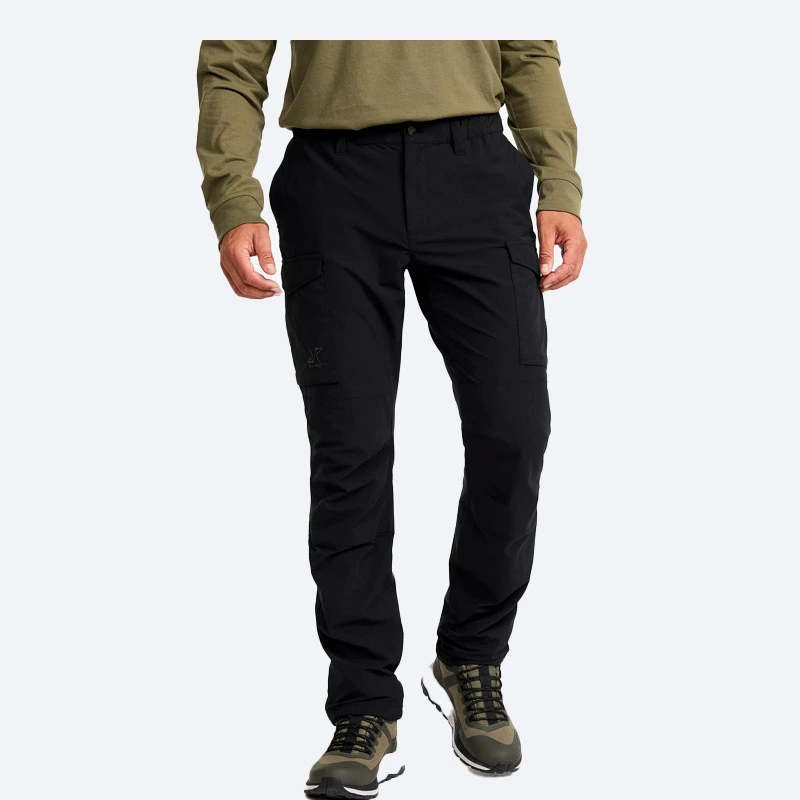
Light outdoor pants are specifically designed for **outdoor activities** such as hiking, camping, and traveling. They are typically made from lightweight, breathable materials that offer comfort and flexibility. Unlike traditional pants, these lightweight options focus on functionality, often incorporating features like moisture-wicking technology, quick-drying fabrics, and UV protection.
Materials Used in Light Outdoor Pants
Light outdoor pants are often crafted from synthetic fibers such as nylon or polyester, which provide durability and water resistance. Some models may also blend these materials with natural fibers like cotton for added comfort. The key is to choose fabrics that offer a **lightweight feel** without compromising on strength.
3. Features of Light Outdoor Pants
Light outdoor pants come equipped with various features tailored for **outdoor performance**. Here are some of the most common traits:
Moisture-Wicking Technology
This technology helps draw sweat away from the body, keeping you dry and comfortable during physical activities.
Quick-Drying Fabric
Light outdoor pants are often designed to dry rapidly, making them ideal for unexpected weather conditions or water activities.
Pockets and Storage Options
Many light outdoor pants feature multiple pockets to store essentials securely, providing convenience during your adventures.
Adjustable Waistbands and Cuffs
Customization is key to comfort, and adjustable waistbands and cuffs allow for a perfect fit, accommodating various body types and preferences.
4. Advantages of Light Outdoor Pants
Choosing light outdoor pants over traditional pants offers several key advantages:
Comfort and Breathability
The lightweight and breathable materials enhance comfort during strenuous activities. This ensures that wearers can move freely without feeling weighed down.
Versatility
Light outdoor pants are often versatile enough to transition from outdoor activities to casual settings, making them a practical choice for travelers.
Packability
Due to their lightweight nature, these pants are easy to pack, taking up minimal space in your luggage or backpack.
Enhanced Performance
With moisture-wicking and quick-drying features, light outdoor pants perform exceptionally well in various climates and conditions, ensuring you stay comfortable no matter the environment.
5. Traditional Pants: An Overview
Traditional pants, often made from heavier materials like denim or cotton, have long been a staple in everyday wardrobes. They are known for their durability and classic styling but may not always be the best choice for outdoor activities.
Common Materials in Traditional Pants
Traditional pants typically use materials such as denim, cotton, or wool. While these fabrics offer a certain degree of durability, they can lack the flexibility and moisture management required for outdoor pursuits.
6. Limitations of Traditional Pants
Despite their widespread use, traditional pants come with several limitations that can hinder performance during outdoor activities:
Weight and Bulkiness
Traditional pants tend to be heavier and bulkier than light outdoor pants, which can lead to discomfort during prolonged wear or strenuous activities.
Poor Moisture Management
Traditional materials often struggle with moisture management, leaving wearers feeling clammy and uncomfortable.
Limited Mobility
The rigidity of traditional pants can restrict movement, making them unsuitable for high-energy activities like hiking or climbing.
7. Lightweight vs. Traditional Pants: A Side-by-Side Comparison
To better understand the differences between light outdoor pants and traditional pants, here’s a side-by-side comparison:
| Feature | Light Outdoor Pants | Traditional Pants |
|---|---|---|
| Weight | Lightweight and easy to carry | Heavier and bulkier |
| Breathability | High, ensures comfort | Lower, can retain heat |
| Moisture Management | Excellent, quick-drying | Poor, can become soggy |
| Mobility | Flexible and unrestricted | Can be restrictive |
| Versatility | Suitable for multiple activities | Primarily casual wear |
8. Which Pants Are Best for You?
The choice between light outdoor pants and traditional pants ultimately depends on your needs and lifestyle. If you are an outdoor enthusiast who engages in activities such as hiking, camping, or traveling, the lightweight option might be the best choice. On the other hand, if you are looking for everyday casual wear, traditional pants could suffice.
Consider the following factors when making your decision:
1. Activity Level
Assess how active you plan to be. For frequent outdoor adventures, lightweight pants will provide the comfort and performance you need.
2. Climate Conditions
Evaluate the climate you will be in. For hot and humid environments, lightweight pants offer breathability and moisture control.
3. Personal Preference
Ultimately, personal preference plays a significant role. Choose the option that aligns with your style and comfort preferences.
9. FAQs
1. Are light outdoor pants suitable for all seasons?
Yes, many light outdoor pants are designed with versatility in mind and can be worn in various seasons. Look for options that offer insulation features for colder weather.
2. Can I wear light outdoor pants for casual outings?
Absolutely! Light outdoor pants are designed to transition seamlessly from outdoor activities to casual settings.
3. How do I care for my light outdoor pants?
Follow the care instructions on the label, typically involving machine washing on a gentle cycle and air drying to maintain the fabric's integrity.
4. Are traditional pants always more durable?
Not necessarily. While traditional fabrics may be durable, many modern light outdoor pants are engineered to withstand wear and tear, offering competitive durability.
5. How do I choose the right size for light outdoor pants?
Refer to the sizing chart provided by the manufacturer, and consider trying them on if possible to ensure a comfortable fit.
10. Conclusion
In the ongoing debate between light outdoor pants and traditional pants, it becomes evident that lightweight options offer superior comfort, versatility, and performance for outdoor activities. From their moisture-wicking properties to their packability, light outdoor pants cater to the needs of modern adventurers. While traditional pants have their place in everyday wardrobes, those who prioritize function and comfort during outdoor pursuits should consider making the switch to lightweight options. Embrace the freedom and ease that light outdoor pants provide, and elevate your outdoor experience to new heights.
Light Outdoor Pants



Whatsapp/Phone
Email(Terry)
Email:
Address
No.926 NanHuan Road,ChangTai Street,LiCheng District,Quanzhou,FuJian,China.