






31
2026
-
05
The Science Behind the Fabric: What Makes Light Outdoor Jackets Special
Author:
The Science Behind the Fabric: What Makes Light Outdoor Jackets Special Introduction to Light Outdoor Jackets In the world of outdoor apparel, light outdoor jackets stand out as a vital piece of gear for adventurers, hikers, and casual wearers. These jackets are designed to provide protection against the elements while maintaining breathability and comfort. Understanding the science behind the fab
The Science Behind the Fabric: What Makes Light Outdoor Jackets Special
Introduction to Light Outdoor Jackets
In the world of outdoor apparel, light outdoor jackets stand out as a vital piece of gear for adventurers, hikers, and casual wearers. These jackets are designed to provide protection against the elements while maintaining breathability and comfort. Understanding the science behind the fabrics used in these jackets helps us appreciate their functionality and versatility.
What Are Light Outdoor Jackets?
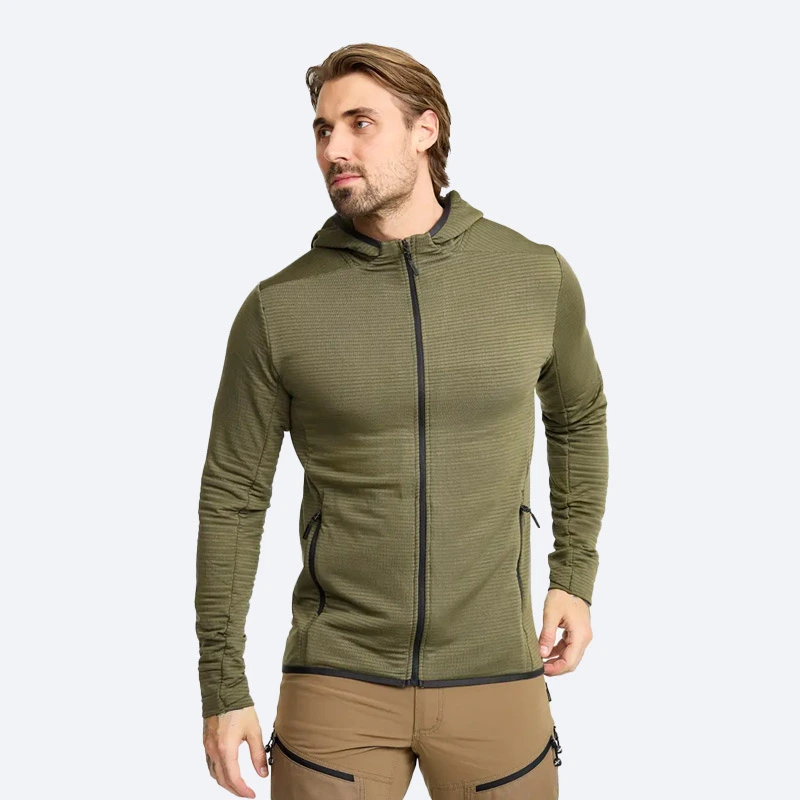
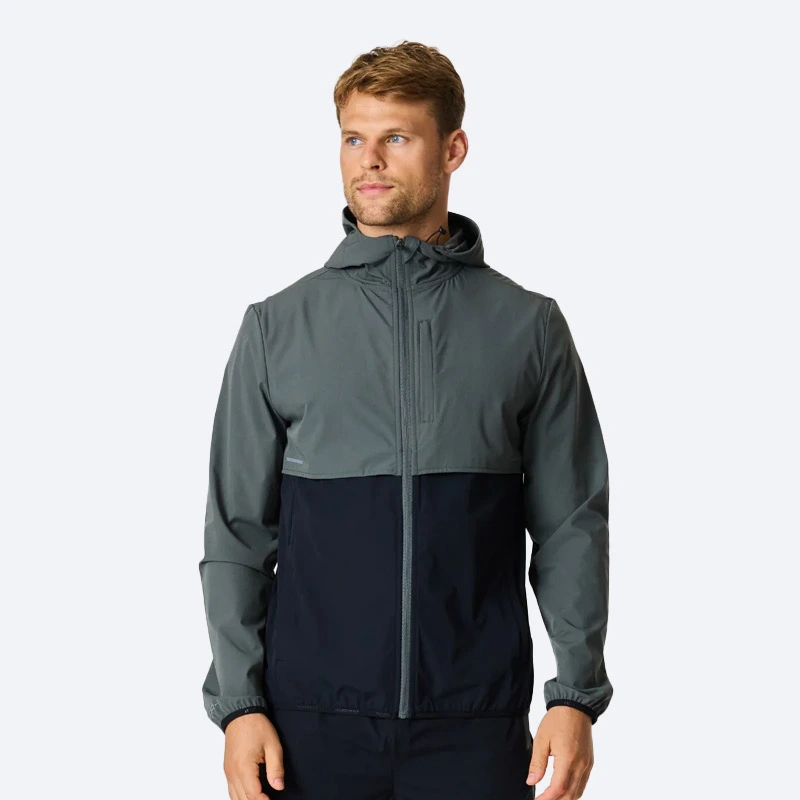
Light outdoor jackets are made from specialized materials that balance various factors like weight, durability, and weather resistance. They are typically lightweight and often feature designs that prioritize ease of movement, making them ideal for activities such as hiking, biking, and traveling.
Key Features of Light Outdoor Jackets
1. **Water Resistance**: Many light outdoor jackets incorporate water-resistant or waterproof fabrics to keep wearers dry during unexpected rain showers.
2. **Breathability**: Effective moisture-wicking properties are essential for comfort, particularly during physical activities. Breathable jackets allow sweat to escape while keeping external moisture out.
3. **Packability**: Many of these jackets can be easily packed into small sizes, making them convenient for travel.
4. **Durability**: Despite their lightweight construction, these jackets are designed to withstand rough outdoor conditions.
Understanding Fabric Technology
The unique characteristics of light outdoor jackets can be attributed to advancements in fabric technology. Various fabric types are utilized to achieve the optimal balance of performance, comfort, and style.
Popular Fabrics Used in Light Outdoor Jackets
1. **Nylon**: Known for its strength and durability, nylon is often used in outdoor jackets. It has excellent abrasion resistance, making it ideal for rugged activities.
2. **Polyester**: This synthetic fabric is lightweight and moisture-wicking. Polyester blends are commonly used to enhance breathability and quick-drying properties.
3. **Gore-Tex®**: A leading name in waterproof and breathable fabric technology, Gore-Tex® is often integrated into high-performance jackets, providing a barrier against water while allowing sweat to escape.
4. **Softshells**: Made from a combination of polyester and elastane, softshell fabrics offer stretch and breathability while being water-resistant, making them suitable for a variety of outdoor activities.
The Science of Waterproofing
Waterproofing is a critical aspect of light outdoor jackets. Two common waterproofing technologies are **DWR (Durable Water Repellent)** coatings and membrane-based systems like Gore-Tex®.
DWR Coatings
DWR treatments are applied to the outer layer of fabrics to cause water to bead up and roll off the surface. While effective, they require reapplication over time to maintain performance.
Membrane Technologies
Membrane-based fabrics feature tiny pores that allow moisture vapor to escape while blocking liquid water. This technology ensures that wearers stay dry and comfortable during strenuous activities.
Insulation and Temperature Regulation
Temperature regulation is another essential factor in the functionality of light outdoor jackets. Various insulation types contribute to maintaining comfort in changing weather conditions.
Types of Insulation
1. **Down Insulation**: Renowned for its exceptional warmth-to-weight ratio, down is a natural insulator. However, it may lose effectiveness when wet unless treated with water-resistant properties.
2. **Synthetic Insulation**: Synthetic materials, such as Primaloft, provide warmth even when wet and are often used in moisture-prone conditions.
Fit and Design Considerations
The fit of a light outdoor jacket is crucial for optimal performance. A well-fitted jacket enables freedom of movement and prevents excess bulk, which can lead to discomfort during activities.
Design Features to Enhance Performance
- **Articulated Sleeves**: These sleeves are designed to follow the natural curve of the arm, improving mobility.
- **Adjustable Hoods and Cuffs**: These features allow wearers to customize fit and coverage based on weather conditions.
- **Ventilation Zippers**: Strategically placed zippers can enhance airflow during high-energy activities, preventing overheating.
Choosing the Right Light Outdoor Jacket
Selecting the right light outdoor jacket involves considering various factors, including activity type, climate, and personal preferences.
Key Considerations for Selection
1. **Activity Level**: Determine the primary use—whether for casual wear, hiking, or high-intensity outdoor sports.
2. **Weather Conditions**: Assess the typical weather conditions in which the jacket will be used to choose appropriate features such as waterproofing and insulation.
3. **Style Preferences**: While functionality is key, aesthetics also play a role in ensuring the jacket aligns with personal style.
Maintenance Tips for Longevity
Proper maintenance can significantly prolong the life of light outdoor jackets.
Caring for Your Jacket
- **Washing**: Use a gentle detergent and avoid fabric softeners, as they can impair the jacket's performance. Follow the manufacturer's washing instructions.
- **Drying**: Air drying is often recommended, but some jackets can be tumble dried on low heat to restore DWR coatings.
- **Re-treatment**: Periodically reapply DWR treatments to maintain water resistance.
FAQs about Light Outdoor Jackets
1. Are light outdoor jackets suitable for all weather conditions?
Light outdoor jackets are designed for versatility, but their effectiveness in various weather conditions depends on specific features like insulation and waterproofing. Always check specifications before purchasing.
2. Can I wear a light outdoor jacket in winter?
Yes, many light outdoor jackets are insulated and can be suitable for winter use, especially when layered with appropriate clothing.
3. How do I know which size to choose for a light outdoor jacket?
Refer to the brand’s sizing chart and consider trying the jacket on to ensure an appropriate fit, especially for layering.
4. What is the difference between waterproof and water-resistant jackets?
Waterproof jackets provide a complete barrier against water, while water-resistant jackets can repel water to some extent but may not withstand heavy rain.
5. How often should I wash my outdoor jacket?
It's best to wash your jacket after several uses, especially if it’s exposed to dirt, sweat, or moisture. Always consult the care label for specific instructions.
Conclusion
Light outdoor jackets are a remarkable fusion of science and functionality, offering essential protection for a variety of outdoor pursuits. By understanding the fabrics, technologies, and design features that make these jackets special, wearers can make informed decisions that enhance their comfort and performance in the great outdoors. Whether you're hiking, biking, or simply enjoying a day out, a well-chosen light outdoor jacket can be your best companion. Invest in quality, and experience the difference that advanced fabric technology can make in your outdoor adventures.
Light Outdoor Jackets




Whatsapp/Phone
Email(Terry)
Email:
Address
No.926 NanHuan Road,ChangTai Street,LiCheng District,Quanzhou,FuJian,China.