






21
2026
-
06
How Quick-Dry Fabrics Enhance Your Workout Experience
Author:
How Quick-Dry Fabrics Enhance Your Workout Experience Table of Contents Introduction to Quick-Dry Fabrics The Benefits of Quick-Dry Fabrics in Activewear Moisture Management: Staying Dry and Comfortable The Importance of Breathability in Workout Gear Durability and Longevity of Quick-Dry Fabrics Types of Quick-Dry Fabrics for Activewear Choosing the Right Quick-Dry Fab
How Quick-Dry Fabrics Enhance Your Workout Experience
Table of Contents
- Introduction to Quick-Dry Fabrics
- The Benefits of Quick-Dry Fabrics in Activewear
- Moisture Management: Staying Dry and Comfortable
- The Importance of Breathability in Workout Gear
- Durability and Longevity of Quick-Dry Fabrics
- Types of Quick-Dry Fabrics for Activewear
- Choosing the Right Quick-Dry Fabric for Your Activities
- Care and Maintenance of Quick-Dry Workout Clothing
- Conclusion: Elevate Your Workout Experience
- Frequently Asked Questions
Introduction to Quick-Dry Fabrics
In recent years, the fitness industry has witnessed a remarkable evolution in workout gear, with **quick-dry fabrics** leading the charge. These innovative materials have become essential for athletes, fitness enthusiasts, and anyone looking to maintain an active lifestyle. Quick-dry fabrics not only enhance performance but also improve the overall workout experience. In this comprehensive guide, we will explore how quick-dry fabrics can significantly benefit your workouts and why they are a staple in modern activewear.
The Benefits of Quick-Dry Fabrics in Activewear
Quick-dry fabrics offer a plethora of advantages that make them an ideal choice for workout clothing. From moisture management to comfort, these fabrics have transformed how we approach fitness. Let’s delve deeper into the key benefits:
1. Enhanced Moisture Management
One of the primary reasons athletes gravitate towards quick-dry fabrics is their exceptional moisture management capabilities. Unlike traditional cotton, which retains moisture and can lead to discomfort and chafing, quick-dry materials wick sweat away from the skin, allowing it to evaporate rapidly. This feature is particularly vital during intense workouts where perspiration levels are high.
2. Increased Comfort and Performance
Comfort is paramount when engaging in physical activity. Quick-dry fabrics provide a soft, lightweight feel against the skin, allowing for unrestricted movement. This comfort translates to improved performance, as distractions from discomfort can hinder your workout effectiveness. By choosing quick-dry attire, you create an environment where you can focus solely on your performance.
3. Temperature Regulation
Quick-dry fabrics play a significant role in temperature regulation during workouts. They help maintain a comfortable body temperature by facilitating airflow and moisture evaporation. This temperature control is especially crucial during outdoor workouts, where environmental conditions can vary significantly.
Moisture Management: Staying Dry and Comfortable
Let’s explore how quick-dry fabrics excel in moisture management, a critical aspect of any workout experience.
Wicking Properties
Quick-dry fabrics are engineered with advanced wicking properties that draw moisture away from the skin. This process not only keeps you dry but also prevents the buildup of sweat, reducing the risk of skin irritation. Fabrics made from synthetic fibers, such as polyester and nylon, are particularly effective in this regard.
Evaporation Rate
The evaporation rate of quick-dry fabrics is significantly higher than that of traditional materials. This means that even during the most grueling workouts, you can count on these fabrics to dry quickly, allowing you to remain comfortable and focused on your performance.
Prevention of Odor
Another significant advantage of quick-dry fabrics is their ability to combat odor. Many quick-dry materials are treated with antimicrobial properties that inhibit the growth of odor-causing bacteria. This means you can enjoy your workouts without the worry of unpleasant smells, even after extended use.
The Importance of Breathability in Workout Gear
Breathability is a vital feature of any workout clothing, directly impacting comfort and performance. Quick-dry fabrics are designed to be breathable, allowing for optimal airflow.
Moisture Vapor Transfer
Quick-dry fabrics facilitate moisture vapor transfer, ensuring that sweat doesn’t accumulate on the skin. This transfer keeps you feeling cool during workouts and enhances overall comfort. Fabrics that allow heat and moisture to escape are crucial for maintaining a balanced body temperature.
Reduced Risk of Overheating
By promoting airflow and allowing sweat to evaporate, quick-dry fabrics help reduce the risk of overheating. This is especially important during high-intensity workouts or in hot weather, where overheating can lead to decreased performance and potential health risks.
Durability and Longevity of Quick-Dry Fabrics
Investing in workout gear made from quick-dry fabrics also means benefitting from increased durability and longevity.
Resistant to Wear and Tear
Quick-dry fabrics are often engineered to withstand the rigors of physical activity. They are resistant to wear and tear, ensuring that your investment lasts longer than traditional fabrics. Whether you’re lifting weights, running, or engaging in outdoor activities, quick-dry clothing maintains its shape and functionality.
Color Retention
Another advantage of quick-dry fabrics is their ability to retain color vibrancy over time. Unlike some natural fibers that may fade after multiple washes, synthetic quick-dry materials retain their color, ensuring you look fresh and stylish during every workout session.
Types of Quick-Dry Fabrics for Activewear
Understanding the different types of quick-dry fabrics available can help you make informed decisions when selecting workout gear.
1. Polyester
Polyester is one of the most common materials used in quick-dry clothing. Its lightweight and moisture-wicking properties make it an excellent choice for various fitness activities. Additionally, polyester is known for its durability and resistance to shrinking and stretching.
2. Nylon
Nylon is another popular quick-dry fabric, known for its strength and elasticity. It dries quickly, making it suitable for high-intensity workouts. Nylon is often blended with other materials to enhance comfort and performance.
3. Spandex
While spandex is typically used for its stretchability, it is often blended with quick-dry fabrics to enhance comfort and movement. Its ability to retain shape ensures that your workout clothing fits snugly and supports your body during exercise.
4. Merino Wool
For those seeking natural fibers, Merino wool is a fantastic option. While it may not dry as quickly as synthetic materials, it possesses natural moisture-wicking properties and temperature regulation. This makes it suitable for cooler climates and outdoor activities.
Choosing the Right Quick-Dry Fabric for Your Activities
When selecting workout clothing, consider the specific activities you engage in. Here are some tips for choosing the right quick-dry fabric:
1. Activity Level
Consider your activity level and intensity. For high-intensity workouts, opt for lightweight, breathable fabrics like polyester or nylon. For lower-impact activities, a blend that includes spandex may offer additional comfort.
2. Weather Conditions
Evaluate the weather conditions you typically face. If you exercise outdoors in varying temperatures, look for fabrics that provide insulation while also being quick-drying. Merino wool can be an excellent choice in cooler climates.
3. Fit and Comfort
Ensure that the quick-dry fabric you choose fits well and allows for freedom of movement. Clothes that are too tight or too loose can hinder your performance and comfort.
Care and Maintenance of Quick-Dry Workout Clothing
To maximize the lifespan of your quick-dry workout clothing, proper care and maintenance are essential.
1. Washing Instructions
Always follow the washing instructions provided by the manufacturer. Most quick-dry fabrics can be machine washed in cold water and tumble dried on low heat. Avoid using fabric softeners, as they can diminish moisture-wicking properties.
2. Avoiding Heat Exposure
While quick-dry fabrics are durable, excessive heat can damage them. Avoid exposing your workout gear to high temperatures for extended periods, whether in washing or drying.
3. Proper Storage
Store your quick-dry clothing in a cool, dry place away from direct sunlight. This ensures that the fabric retains its properties and remains in good condition for your next workout.
Conclusion: Elevate Your Workout Experience
Incorporating **quick-dry fabrics** into your workout wardrobe can profoundly enhance your fitness experience. From improved moisture management and breathability to durability and comfort, these fabrics are designed to meet the demands of active individuals. As you choose workout attire, consider the various types of quick-dry materials available and select those that align with your specific activities and preferences. By making informed choices, you can ensure that your workout clothing not only performs well but also contributes to an enjoyable exercise experience.
Frequently Asked Questions
1. What are quick-dry fabrics made of?
Quick-dry fabrics are primarily made from synthetic fibers such as polyester and nylon. Some blends also include natural fibers like Merino wool for added comfort and temperature regulation.
2. Can I wear quick-dry fabrics for everyday use?
Absolutely! Quick-dry fabrics are not only suitable for workouts but can also be worn for everyday casual outings due to their comfort and style.
3. How do I know if a fabric is quick-dry?
Look for labels that specify moisture-wicking or quick-dry properties. You can also check the fabric composition; synthetics like polyester and nylon are usually quick-drying.
4. Are quick-dry fabrics more expensive than regular fabrics?
While some quick-dry fabrics can be more expensive due to their advanced properties, many affordable options are available that offer excellent performance without breaking the bank.
5. How can I extend the life of my quick-dry workout clothes?
Follow the washing and care instructions on the label, avoid using fabric softeners, and store them properly in a cool, dry place to extend their lifespan.
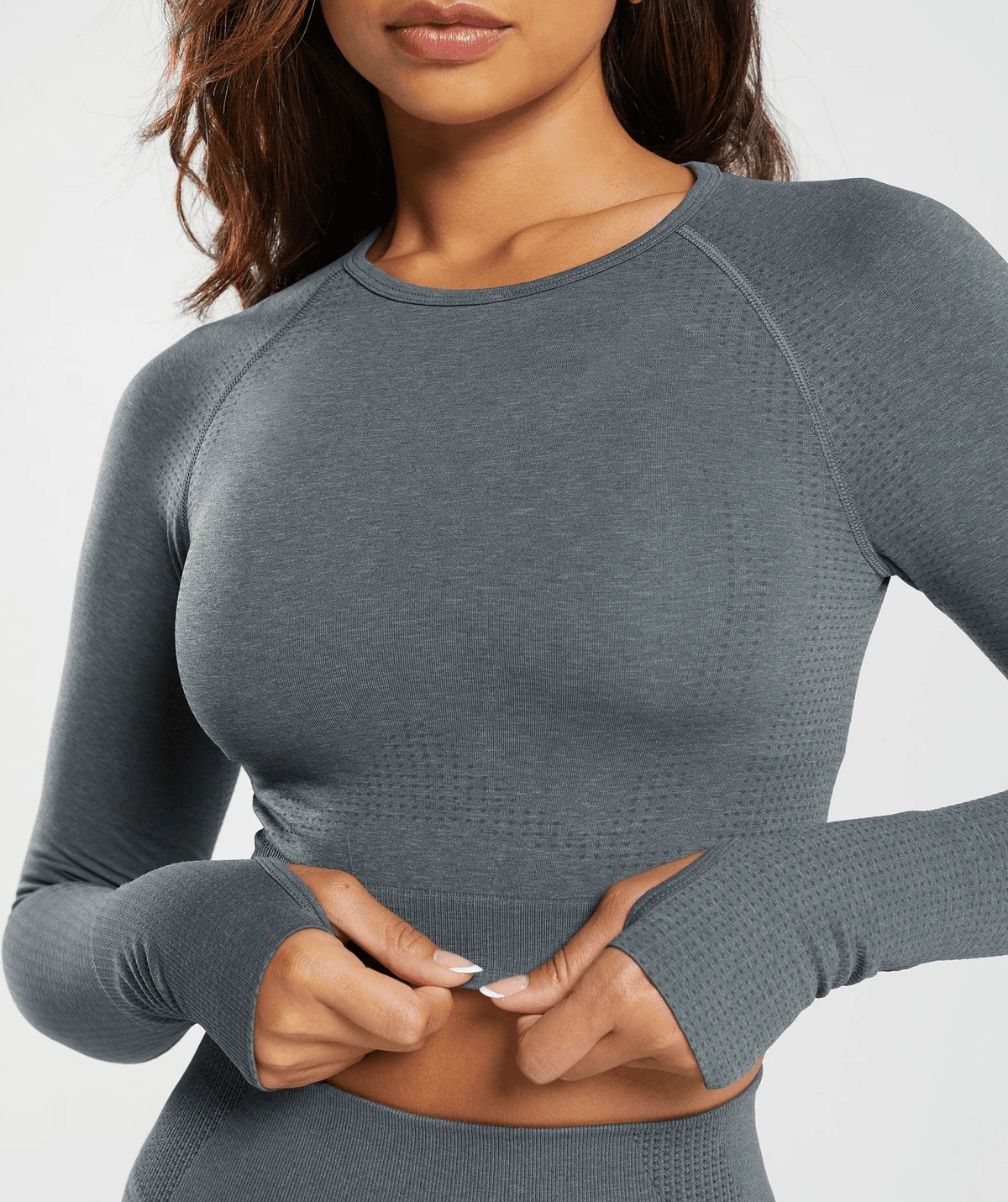
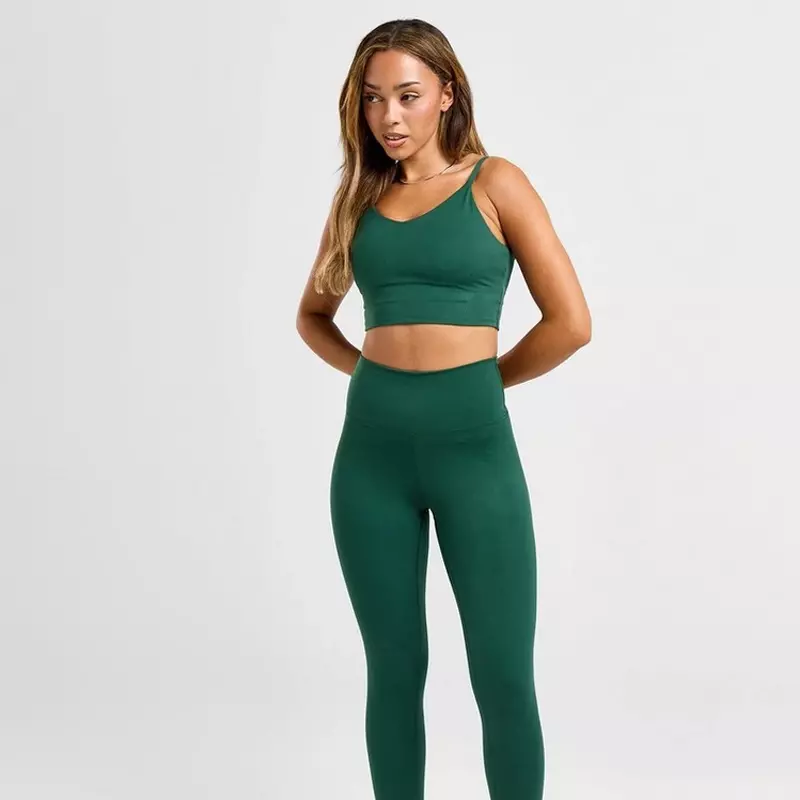
Quick-dry athletic wear




Whatsapp/Phone
Email(Terry)
Email:
Address
No.926 NanHuan Road,ChangTai Street,LiCheng District,Quanzhou,FuJian,China.