





23
2026
-
06
Maximize Your Workout Efficiency with Lightweight Activewear: The Ultimate Guide
Author:
Maximize Your Workout Efficiency with Lightweight Activewear Table of Contents 1. Understanding the Importance of Lightweight Activewear 2. Key Features of Effective Activewear 3. Types of Lightweight Activewear for Various Workouts 4. Choosing Breathable Fabrics for Optimal Performance 5. How Proper Fit Enhances Workout Efficiency 6. Combining Style with Functionality 7. The Role o
Maximize Your Workout Efficiency with Lightweight Activewear
Table of Contents
- 1. Understanding the Importance of Lightweight Activewear
- 2. Key Features of Effective Activewear
- 3. Types of Lightweight Activewear for Various Workouts
- 4. Choosing Breathable Fabrics for Optimal Performance
- 5. How Proper Fit Enhances Workout Efficiency
- 6. Combining Style with Functionality
- 7. The Role of Activewear in Injury Prevention
- 8. FAQs About Lightweight Activewear
- 9. Conclusion
1. Understanding the Importance of Lightweight Activewear
In the pursuit of fitness, **having the right gear** can be a game-changer. Lightweight activewear is not just about aesthetics; it plays a crucial role in your overall workout efficiency. When exercising, your body generates heat, and the more breathable and lightweight your clothing is, the better your body can regulate temperature. This means you can push yourself harder and longer, leading to significant gains in your fitness journey.
2. Key Features of Effective Activewear
Effective activewear combines several key features that enhance your workout experience. These features include:
Moisture-Wicking Properties
**Moisture-wicking fabrics** draw sweat away from your skin, allowing for quick evaporation. This keeps you dry and comfortable, reducing the risk of chafing.
Lightweight and Breathable Materials
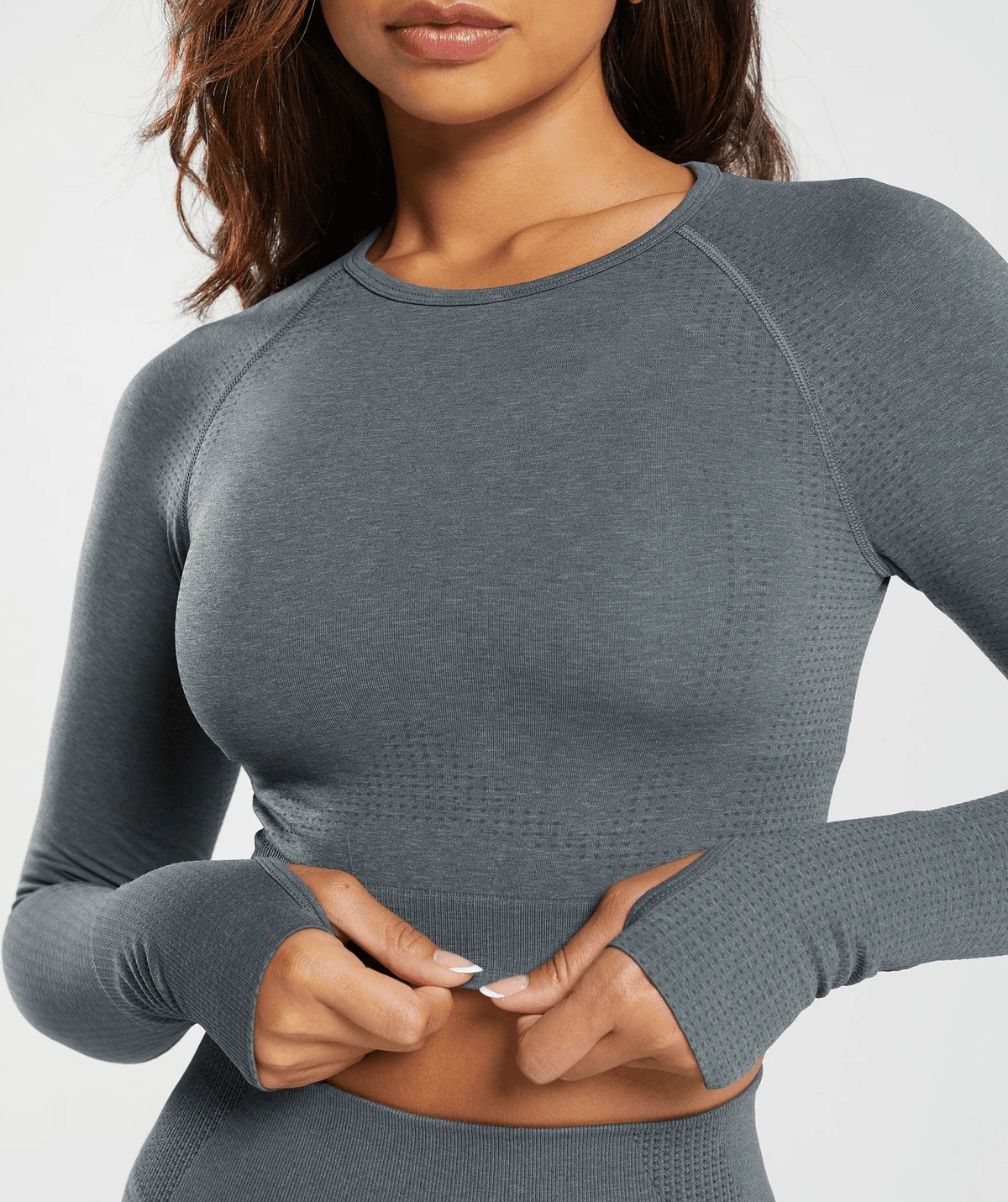
**Lightweight activewear** is designed to feel like a second skin. Fabrics such as polyester, nylon, and spandex offer flexibility and ease of movement without weighing you down.
Durability
Activewear should withstand rigorous workouts. High-quality materials and construction ensure longevity, making your investment worthwhile.
Reflective Elements for Safety
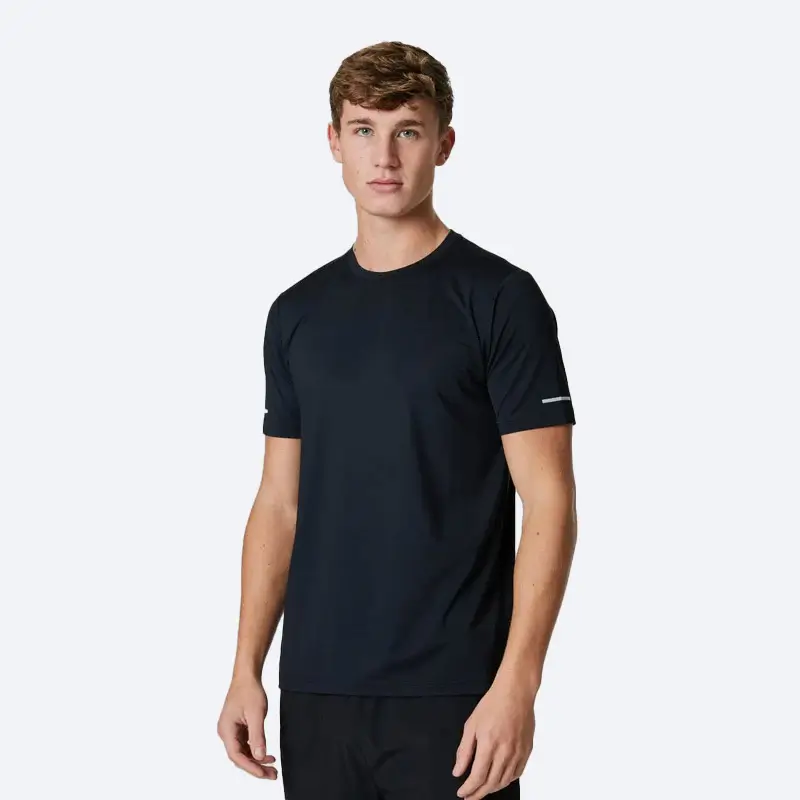
For outdoor enthusiasts, **reflective elements** enhance visibility during low-light conditions, keeping you safe while exercising.
3. Types of Lightweight Activewear for Various Workouts
Different workouts require different types of activewear. Here’s a breakdown:
1. Running
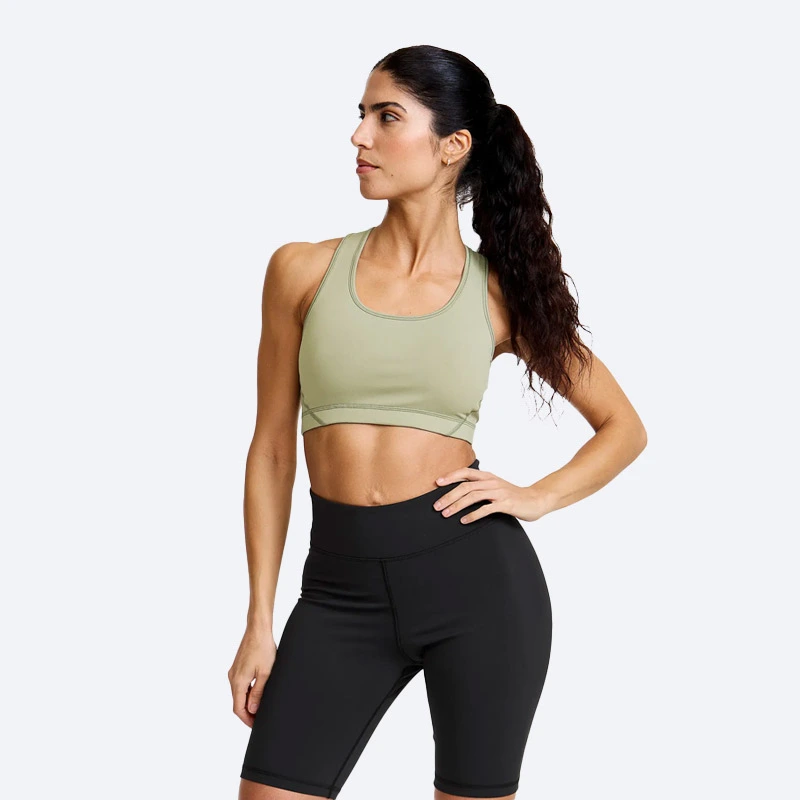
For running, opt for **lightweight shorts** and a breathable tank top. Look for fabrics that provide adequate airflow and prevent chafing.
2. Yoga
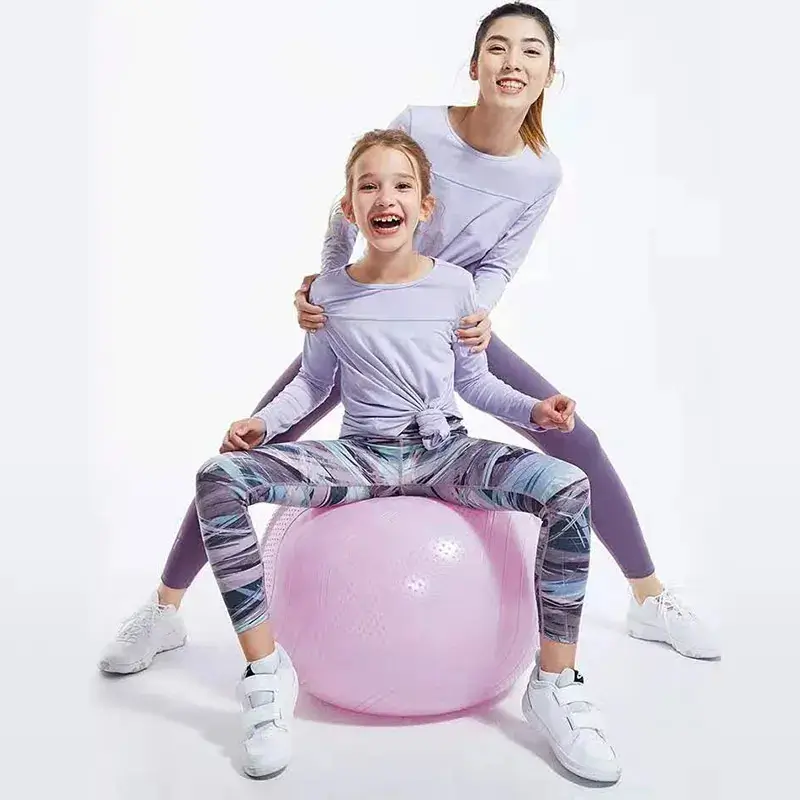
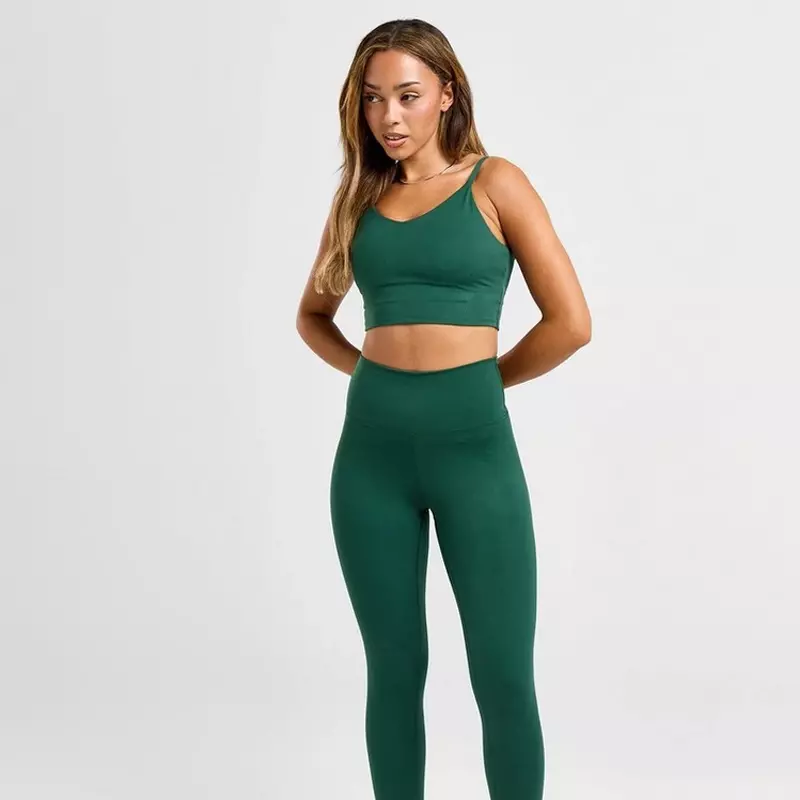
In yoga, **stretchable leggings** and moisture-wicking tops are ideal. These allow for a full range of motion while keeping you dry.
3. Gym Workouts
For gym sessions, choose **performance tees** and shorts that blend comfort with durability. A fitted athletic shirt can optimize your workout by preventing distractions.
4. Outdoor Activities
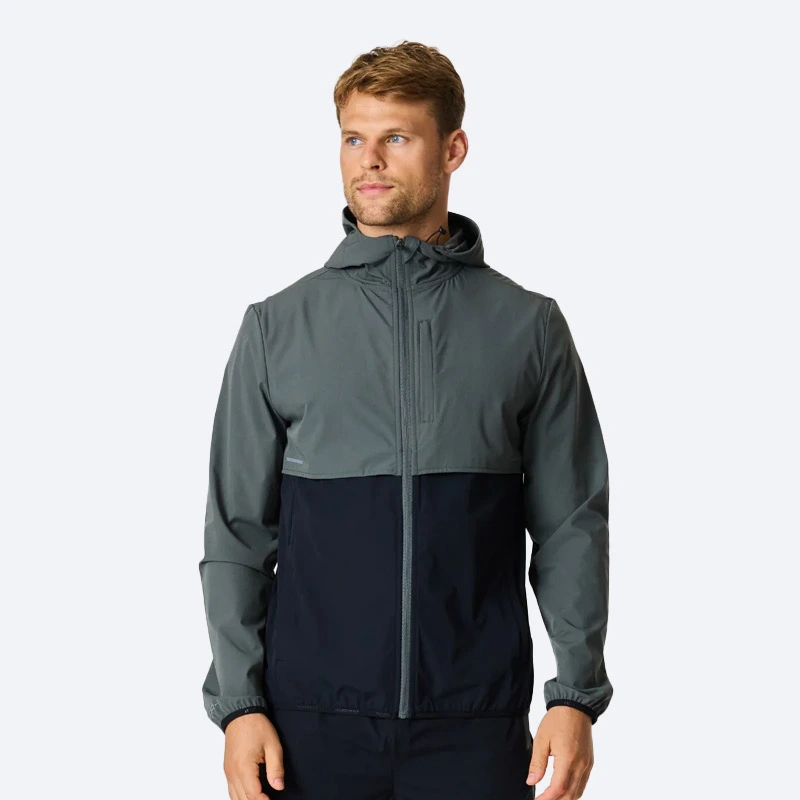
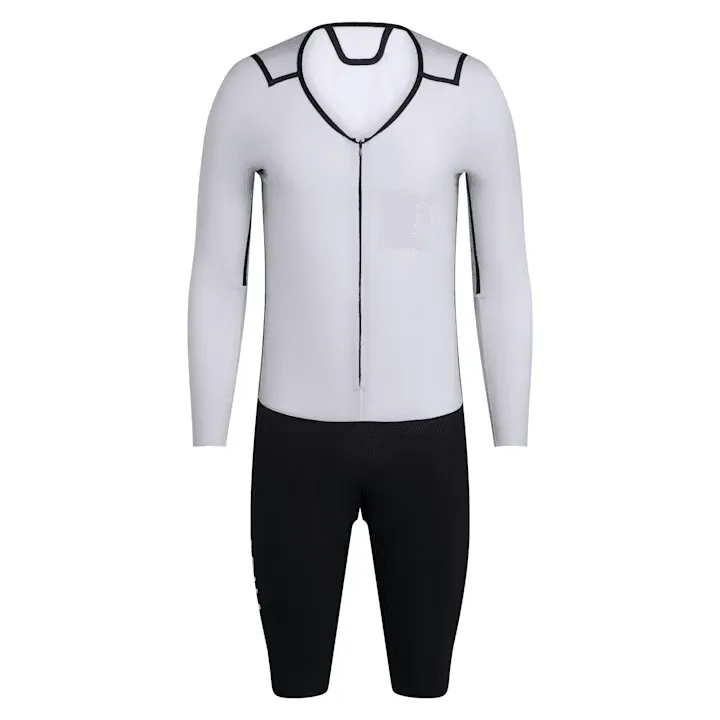
During outdoor activities like hiking or cycling, lightweight jackets with moisture resistance can be beneficial. They keep you protected from the elements without adding bulk.
4. Choosing Breathable Fabrics for Optimal Performance
Selecting the right fabric is crucial when it comes to lightweight activewear. Here are some popular options:
Polyester
**Polyester** is a synthetic fabric known for its moisture-wicking properties. It dries quickly and is lightweight, making it an excellent choice for activewear.
Nylon
**Nylon** is another synthetic option that offers durability and stretch. It's resistant to wear and tear, perfect for intense workouts.
Spandex
**Spandex**, also known as elastane, is often blended with other fabrics to provide elasticity. It allows for a full range of motion, making it a staple in activewear.
Merino Wool
For those who prefer natural fibers, **Merino wool** is a fantastic option. It’s breathable, moisture-wicking, and has natural odor-resistant properties.
5. How Proper Fit Enhances Workout Efficiency
The fit of your activewear can significantly impact your workout. Ill-fitting clothing can cause discomfort, distraction, and even injuries.
1. Compression Fit
**Compression clothing** can enhance blood flow and reduce muscle fatigue, making it a popular choice for athletes.
2. Relaxed Fit
For activities requiring flexibility, such as yoga or Pilates, a **relaxed fit** allows for free movement without restriction.
3. Size Matters
Always opt for the right size, taking into account your body shape and activity level. Too tight can restrict movement, while too loose can lead to chafing.
6. Combining Style with Functionality
Gone are the days when activewear was purely functional. Today’s market offers a plethora of stylish options that allow you to express your personality while working out.
Trendy Colors and Patterns
Choose from a variety of colors and patterns that reflect your style. This not only boosts your confidence but can also motivate you to hit the gym.
Layering Options
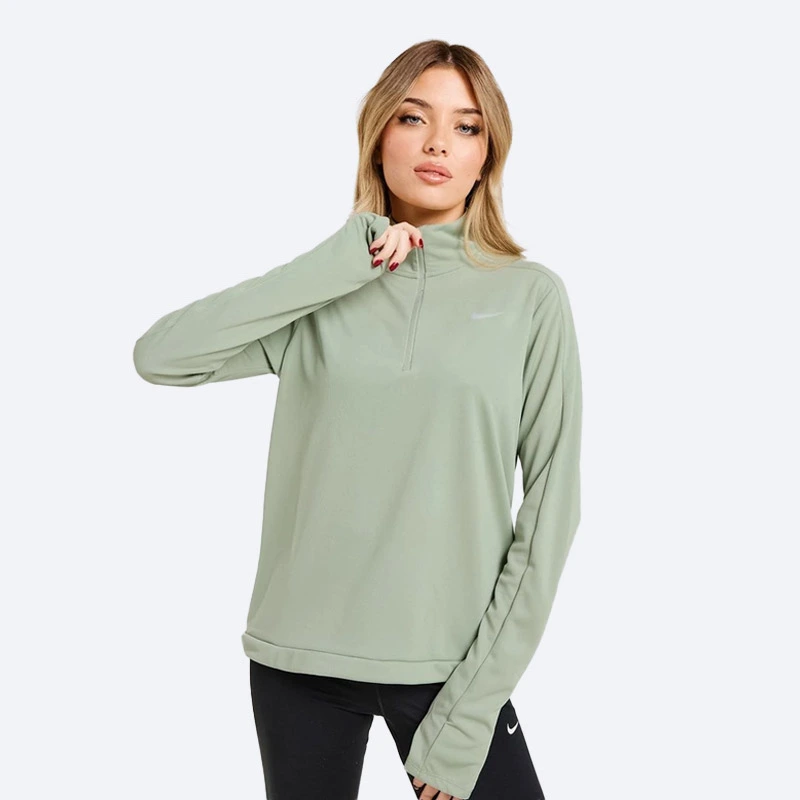
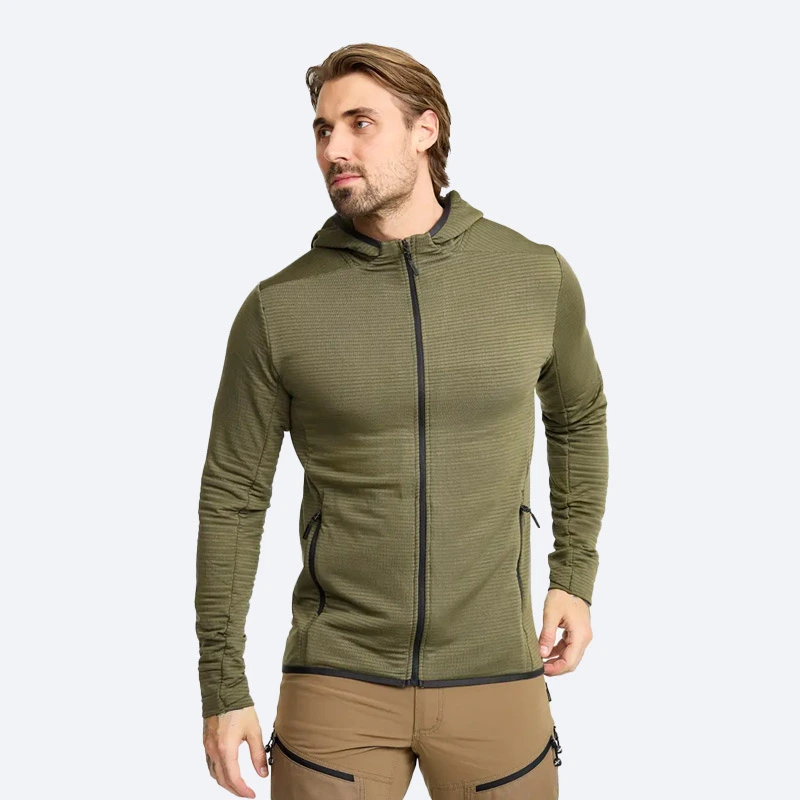
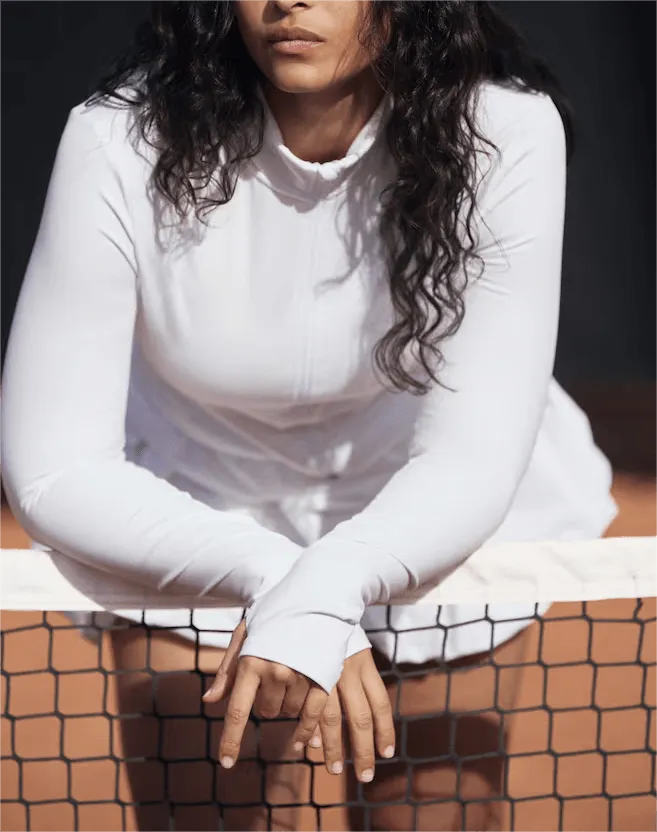
Lightweight activewear is perfect for layering. A stylish **lightweight jacket** can transition seamlessly from workout to casual wear.
7. The Role of Activewear in Injury Prevention
Wearing appropriate activewear not only enhances performance but also aids in injury prevention.
1. Supportive Features
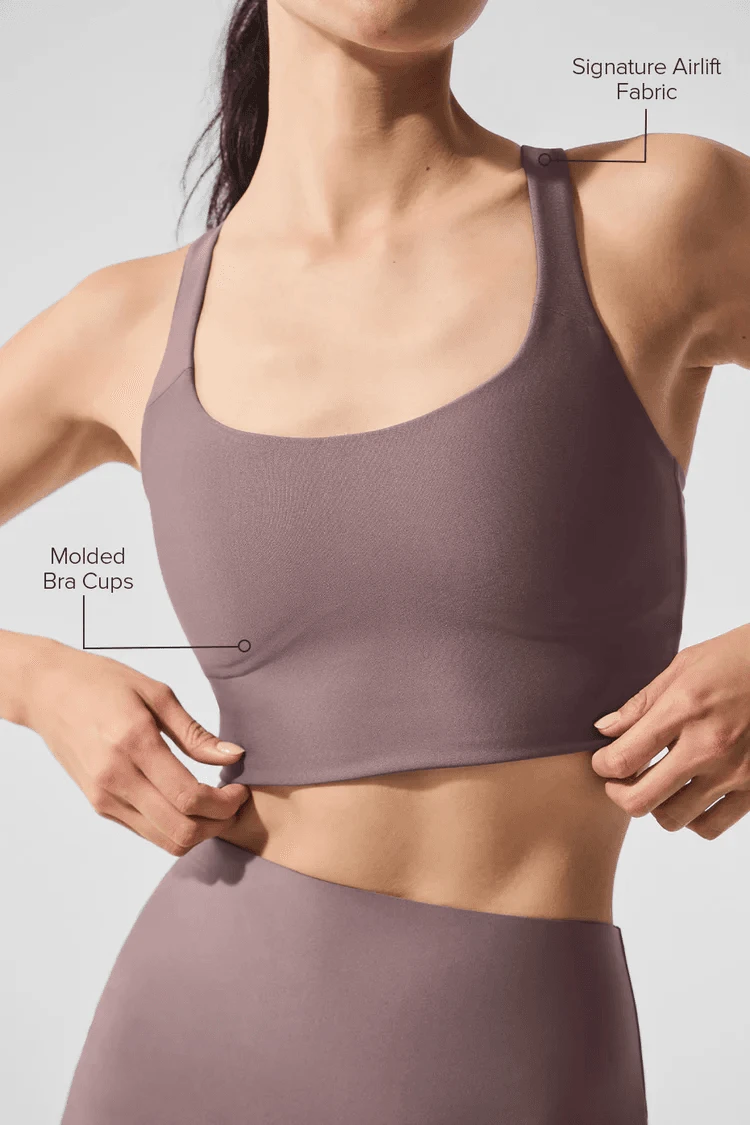
Some activewear incorporates supportive features such as built-in bras or compression sleeves that can help stabilize muscles and joints.
2. Flexibility and Range of Motion
Ensuring your clothing allows for free movement can reduce the risk of strains and pulls during workouts.
3. Temperature Regulation
Activewear designed for **temperature regulation** helps prevent overheating, which can lead to heat-related injuries.
8. FAQs About Lightweight Activewear
Q1: What is the best fabric for lightweight activewear?
A1: The best fabrics for lightweight activewear include polyester, nylon, and spandex due to their moisture-wicking and breathable properties.
Q2: How do I choose the right size for activewear?
A2: Always refer to the brand’s sizing chart and consider trying on multiple sizes to find the best fit for your body shape and activity level.
Q3: Can lightweight activewear help with performance?
A3: Yes, lightweight activewear can significantly enhance performance by keeping you dry, comfortable, and free to move.
Q4: How often should I replace my activewear?
A4: It’s advisable to replace activewear every 6-12 months, depending on the frequency of use and wear and tear.
Q5: Is it necessary to wear specific activewear for different workouts?
A5: While it’s not strictly necessary, wearing appropriate activewear tailored for specific workouts can enhance performance and comfort.
9. Conclusion
Investing in **lightweight activewear** is key to maximizing your workout efficiency. By choosing the right fabrics, ensuring proper fit, and embracing style, you can enhance your performance, prevent injuries, and ultimately enjoy your fitness journey. As you explore different options, remember that the right activewear can not only support your physical activities but also boost your confidence and motivation. Now is the perfect time to elevate your workout wardrobe and experience the benefits of lightweight activewear for yourself.
Lightweight activewear



Whatsapp/Phone
Email(Terry)
Email:
Address
No.926 NanHuan Road,ChangTai Street,LiCheng District,Quanzhou,FuJian,China.