









14
2026
-
03
Layering Like a Pro: How to Wear Running Gear for Optimal Performance
Author:
Layering Like a Pro: How to Wear Running Gear for Optimal Performance In the world of running, **layering** is not just about style; it's a crucial strategy for maintaining optimal performance and comfort. Whether you're training for a marathon, enjoying a leisurely jog, or hitting the trails, understanding how to effectively layer your running gear can make all the difference. This guide will del
Layering Like a Pro: How to Wear Running Gear for Optimal Performance
In the world of running, **layering** is not just about style; it's a crucial strategy for maintaining optimal performance and comfort. Whether you're training for a marathon, enjoying a leisurely jog, or hitting the trails, understanding how to effectively layer your running gear can make all the difference. This guide will delve into the best practices for layering running apparel to ensure you stay warm, dry, and comfortable during your runs.
Table of Contents
- 1. Understanding Layering: The Basics
- 2. Benefits of Layering Running Gear
- 3. Types of Layers: What You Need to Know
- 4. Choosing the Right Materials for Layering
- 5. Tips for Layering Running Gear Like a Pro
- 6. Adjusting Your Layers for Weather Conditions
- 7. Essential Gear Recommendations
- 8. Common Layering Mistakes to Avoid
- 9. FAQs about Layering Running Gear
- 10. Conclusion
1. Understanding Layering: The Basics
Layering involves wearing multiple pieces of clothing designed to work together to regulate body temperature and wick moisture. The basic premise is simple: wear a base layer that keeps sweat away from your skin, an insulating layer to retain warmth, and an outer layer to protect against wind, rain, or snow. Understanding these layers will enable you to adapt your running gear to various weather conditions and personal comfort levels.
Base Layer: The Foundation of Comfort
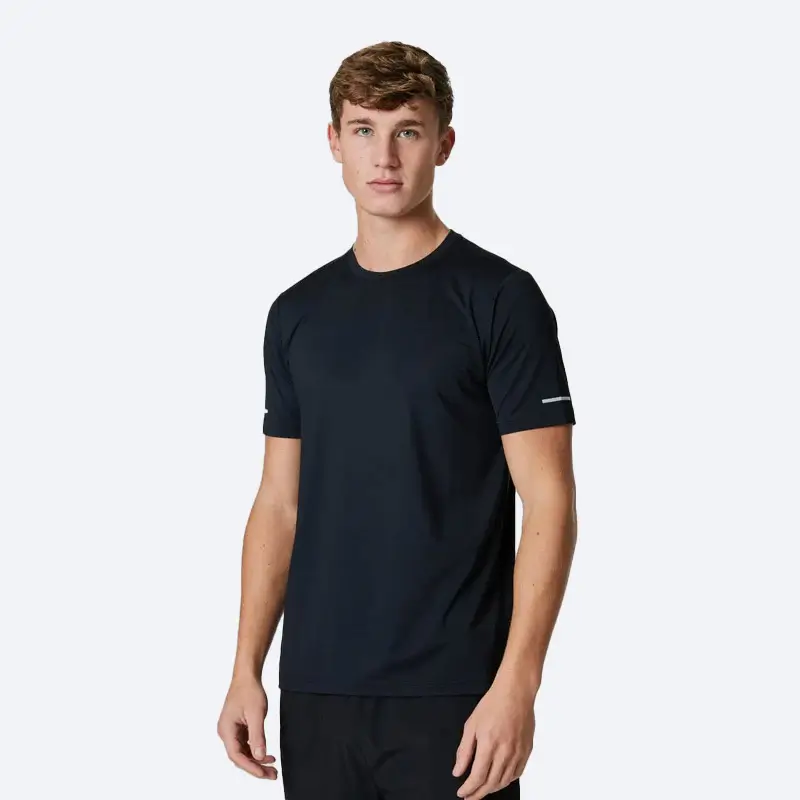
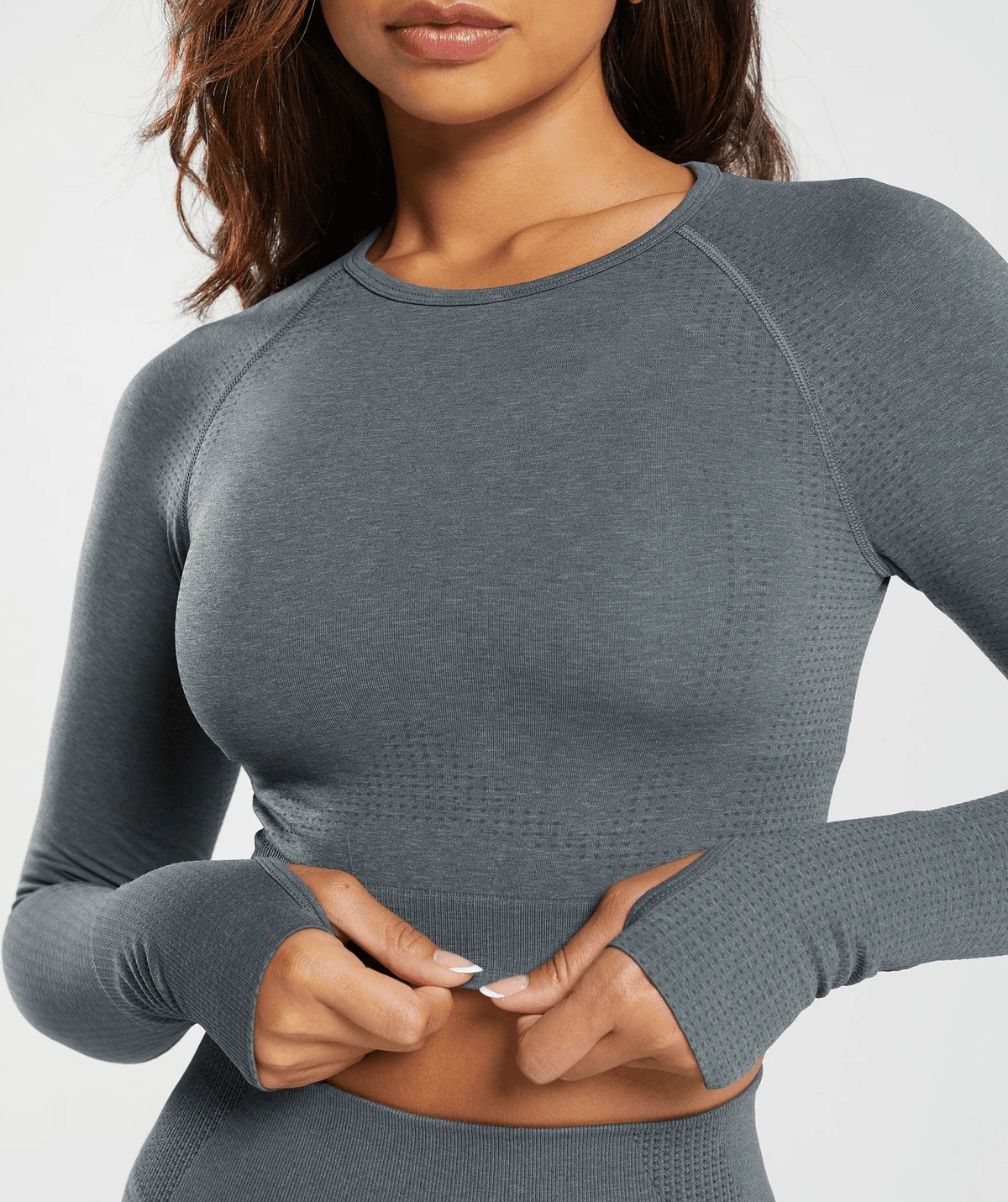
The base layer is the first piece of clothing you put on. Its primary function is to wick moisture away from your skin. Look for materials such as polyester, merino wool, or specialized synthetic blends that offer breathability and quick-drying properties. A snug fit is ideal, as it helps regulate temperature and prevents chafing during long runs.
Insulating Layer: Retaining Heat
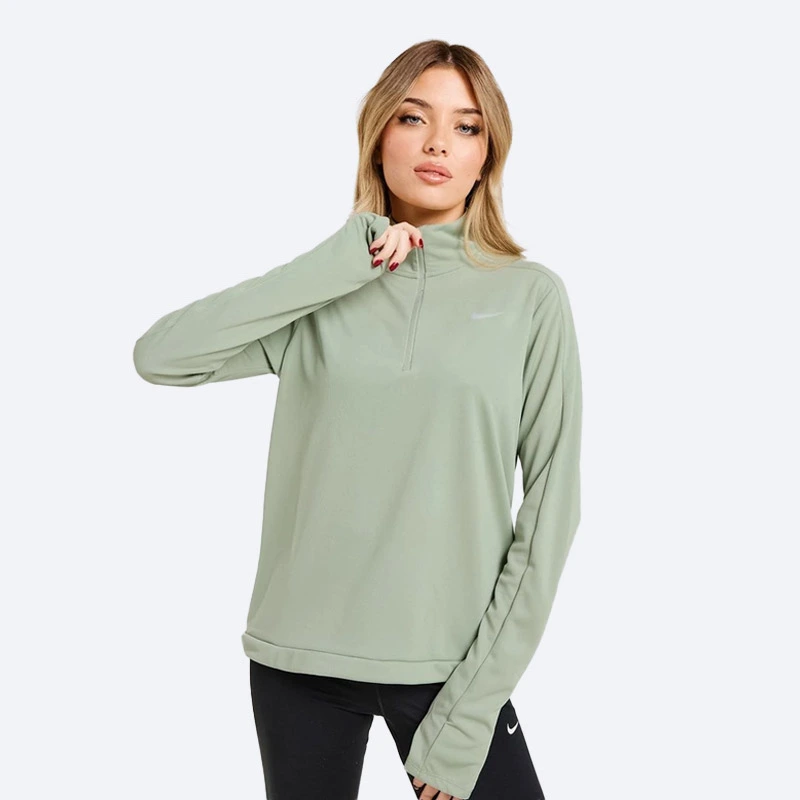
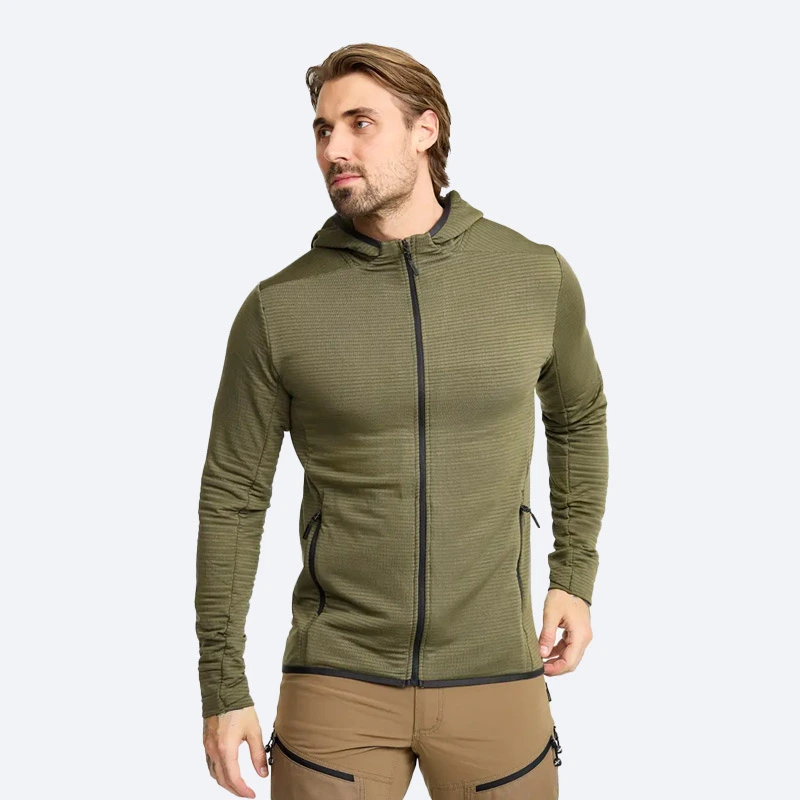
Your insulating layer is crucial for colder temperatures. This layer can be a lightweight fleece or a thermal top that traps body heat while still allowing moisture to escape. Depending on the weather, consider a long-sleeve shirt or a light jacket. The key is to choose materials that provide warmth without adding excessive bulk.
Outer Layer: Protection from the Elements
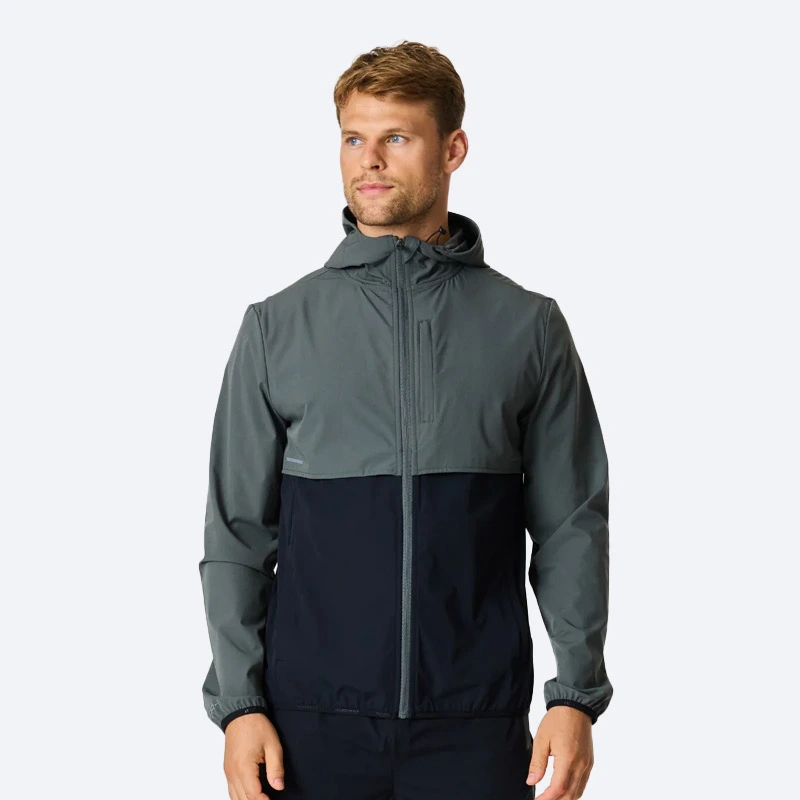
The outer layer serves as your first line of defense against external elements like wind, rain, and snow. Look for a lightweight, breathable jacket that offers a degree of water resistance. Features like adjustable cuffs, hoods, and ventilation will enhance comfort and performance.
2. Benefits of Layering Running Gear
Layering your running gear presents numerous benefits that directly impact your performance and enjoyment of the sport. Here are some of the most significant advantages:
- Temperature Regulation: Layering allows you to easily adjust your clothing according to changing body temperatures as you run.
- Moisture Management: The right layers help wick sweat away, reducing the risk of chafing and discomfort.
- Versatility: Layering provides the flexibility to adapt to various weather conditions, ensuring you're prepared for anything.
- Enhanced Performance: By staying comfortable and dry, you can maintain your focus and energy, leading to improved performance.
3. Types of Layers: What You Need to Know
Base Layers: Materials and Styles
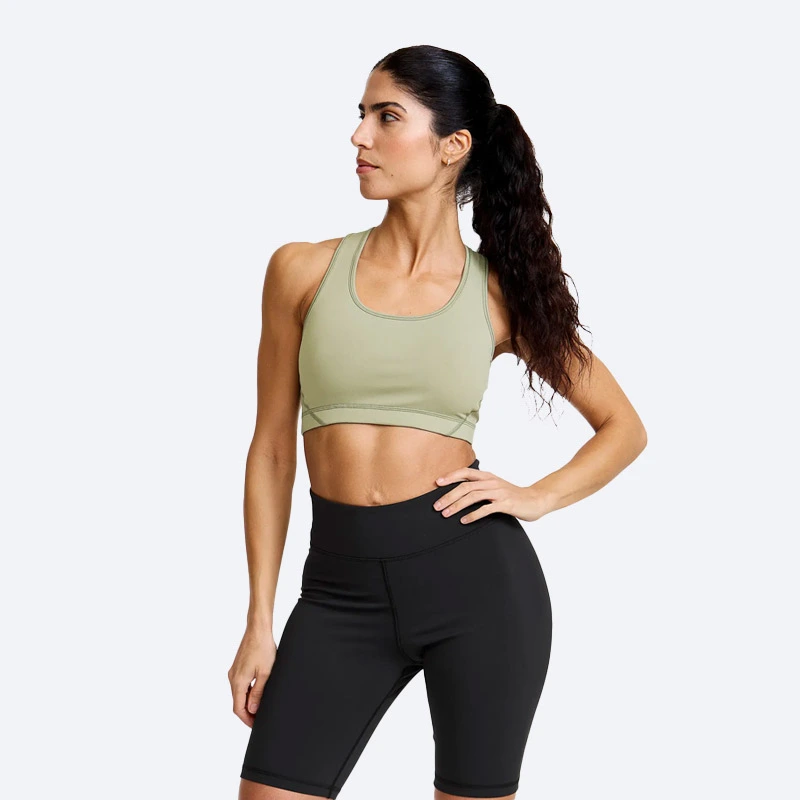
Base layers come in various styles, including short-sleeve, long-sleeve, and sleeveless options. Choose a design that fits your personal preference and the specific weather conditions. Fabrics like merino wool are ideal for colder conditions, while synthetic blends work well in warmer climates.
Insulating Layers: Choosing the Right Fit
When selecting an insulating layer, consider the fit and weight. A snug fit is essential for better heat retention, while lightweight options allow for better movement. Fleece and thermal materials are excellent choices for their warmth-to-weight ratio.
Outer Layers: Key Features to Look For
Your outer layer should be lightweight, breathable, and water-resistant. Look for features like zippers for ventilation, adjustable hems, and reflective elements for safety during low-light conditions.
4. Choosing the Right Materials for Layering
The materials you choose for each layer significantly impact your comfort and performance during runs. Here’s a breakdown of popular materials and their benefits:
Synthetic Fabrics
Materials like polyester and nylon are excellent for moisture-wicking properties. They dry quickly and are lightweight, making them ideal for base and outer layers.
Merino Wool
This natural fiber is known for its exceptional insulation and moisture-wicking capabilities. It's soft against the skin, making it an excellent choice for base or insulating layers, especially in colder weather.
Fleece
Fleece is a popular choice for insulating layers due to its warmth and breathability. Look for moisture-wicking fleece for added comfort during your runs.
5. Tips for Layering Running Gear Like a Pro
To maximize the benefits of layering, follow these expert tips:
- Fit is Key: Ensure each layer fits snugly without being restrictive. This ensures optimum moisture management and heat retention.
- Test Your Layers: Before going for a long run, test your layering system on shorter runs to ensure comfort and functionality.
- Mind the Seasons: Adjust your layering strategy according to the seasons, selecting lighter layers for warmer weather and heavier ones for colder temperatures.
- Mix and Match: Don’t hesitate to mix and match different brands and styles to find the perfect combination that works for you.
6. Adjusting Your Layers for Weather Conditions
Weather can be unpredictable, and knowing how to adjust your layers accordingly is vital for comfort and performance. Here’s how to adapt:
Cold Weather Runs
For cold weather, start with a moisture-wicking base layer, followed by an insulating layer, and finish with a windproof outer layer. Consider adding accessories like gloves, a hat, and a neck gaiter for added warmth.
Hot Weather Runs
In warmer conditions, opt for lighter base layers that wick moisture effectively. You may forgo an insulating layer, relying solely on a breathable outer layer or simply a moisture-wicking shirt to stay cool.
Rainy Conditions
During rainy weather, ensure your outer layer is waterproof or at least water-resistant. A lightweight, breathable rain jacket can help keep you dry without overheating.
7. Essential Gear Recommendations
When it comes to layering for running, investing in quality gear is essential. Here are some recommended products to consider:
Base Layer Recommendations
Look for options like the **Nike Dri-FIT** line or **Under Armour HeatGear**, which offer excellent moisture-wicking capabilities and comfort.
Insulating Layer Recommendations
Consider the **Patagonia Better Sweater** fleece or **The North Face** ThermoBall jacket for warmth without bulk.
Outer Layer Recommendations
For the outer layer, options like the **Marmot Precip Eco Jacket** or the **Columbia OutDry Ex Eco Jacket** provide waterproof protection while remaining breathable.
8. Common Layering Mistakes to Avoid
Even experienced runners can make mistakes when it comes to layering. Here are some pitfalls to avoid:
- Wearing Too Many Layers: Over-layering can lead to overheating and discomfort. Focus on the right combination of layers instead.
- Ignoring Fit: Loose layers can cause chafing and reduce moisture-wicking effectiveness. Always prioritize fit.
- Neglecting Accessories: Don’t forget about hats, gloves, and other accessories that can enhance your layering strategy.
9. FAQs about Layering Running Gear
Q1: How many layers should I wear for running?
A: The number of layers depends on the weather. Typically, a base layer, an insulating layer, and an outer layer are sufficient for most conditions.
Q2: What materials are best for a base layer?
A: Synthetic fabrics like polyester and merino wool are excellent choices due to their moisture-wicking properties.
Q3: Can I wear cotton as a base layer?
A: It's best to avoid cotton as a base layer, as it absorbs moisture and can lead to chafing and discomfort.
Q4: How do I know if I’m wearing too many layers?
A: If you start to feel excessively warm or sweaty before your run, you may want to remove a layer to prevent overheating.
Q5: Should I wear a jacket in light rain?
A: Yes, wearing a lightweight, water-resistant jacket can help keep you dry without adding too much bulk.
10. Conclusion
Mastering the art of layering is essential for any runner looking to enhance performance and comfort across diverse weather conditions. By understanding the different layers, choosing the right materials, and following expert tips, you can tailor your running gear to fit your needs perfectly. This not only keeps you comfortable but also allows you to focus on what matters most: your run. So, layer up and hit the ground running with confidence!
Running Wear




Whatsapp/Phone
Email(Terry)
Email:
Address
No.926 NanHuan Road,ChangTai Street,LiCheng District,Quanzhou,FuJian,China.