






22
2026
-
03
The Role of Lightweight Activewear in Injury Prevention: A Comprehensive Guide
Author:
The Role of Lightweight Activewear in Injury Prevention In today’s fast-paced world, staying fit and active is more important than ever. However, it’s equally essential to ensure that our bodies remain safe while engaging in physical activities. Lightweight activewear has become a popular choice among athletes and fitness enthusiasts, not only for its comfort but also for its significant role in i
The Role of Lightweight Activewear in Injury Prevention
In today’s fast-paced world, staying fit and active is more important than ever. However, it’s equally essential to ensure that our bodies remain safe while engaging in physical activities. Lightweight activewear has become a popular choice among athletes and fitness enthusiasts, not only for its comfort but also for its significant role in injury prevention. This article delves into the various aspects of lightweight activewear and how it contributes to reducing the risk of injuries, enhancing performance, and improving overall workout experiences.
Understanding Lightweight Activewear
Lightweight activewear refers to clothing designed for physical activities, made from materials that are breathable, moisture-wicking, and comfortable. These garments are specifically engineered to support movement while minimizing the weight that the wearer has to carry.
Key Features of Lightweight Activewear
1. **Breathability**: Lightweight fabrics allow air circulation, which helps regulate body temperature and keeps the wearer cool during intense workouts.
2. **Moisture-Wicking**: Advanced materials draw sweat away from the skin, reducing the risk of chafing and discomfort.
3. **Flexibility and Stretch**: The incorporation of stretchy materials ensures a full range of motion, crucial for performing various exercises and sports activities.
4. **Durability**: Despite its light weight, high-quality activewear is designed to withstand wear and tear from rigorous activities.
The Importance of Injury Prevention in Sports
Injuries can sideline athletes and fitness enthusiasts, impacting their performance and overall well-being. Common injuries include sprains, strains, and stress fractures, often caused by improper gear, inadequate warm-up, or poor technique.
How Lightweight Activewear Helps in Injury Prevention
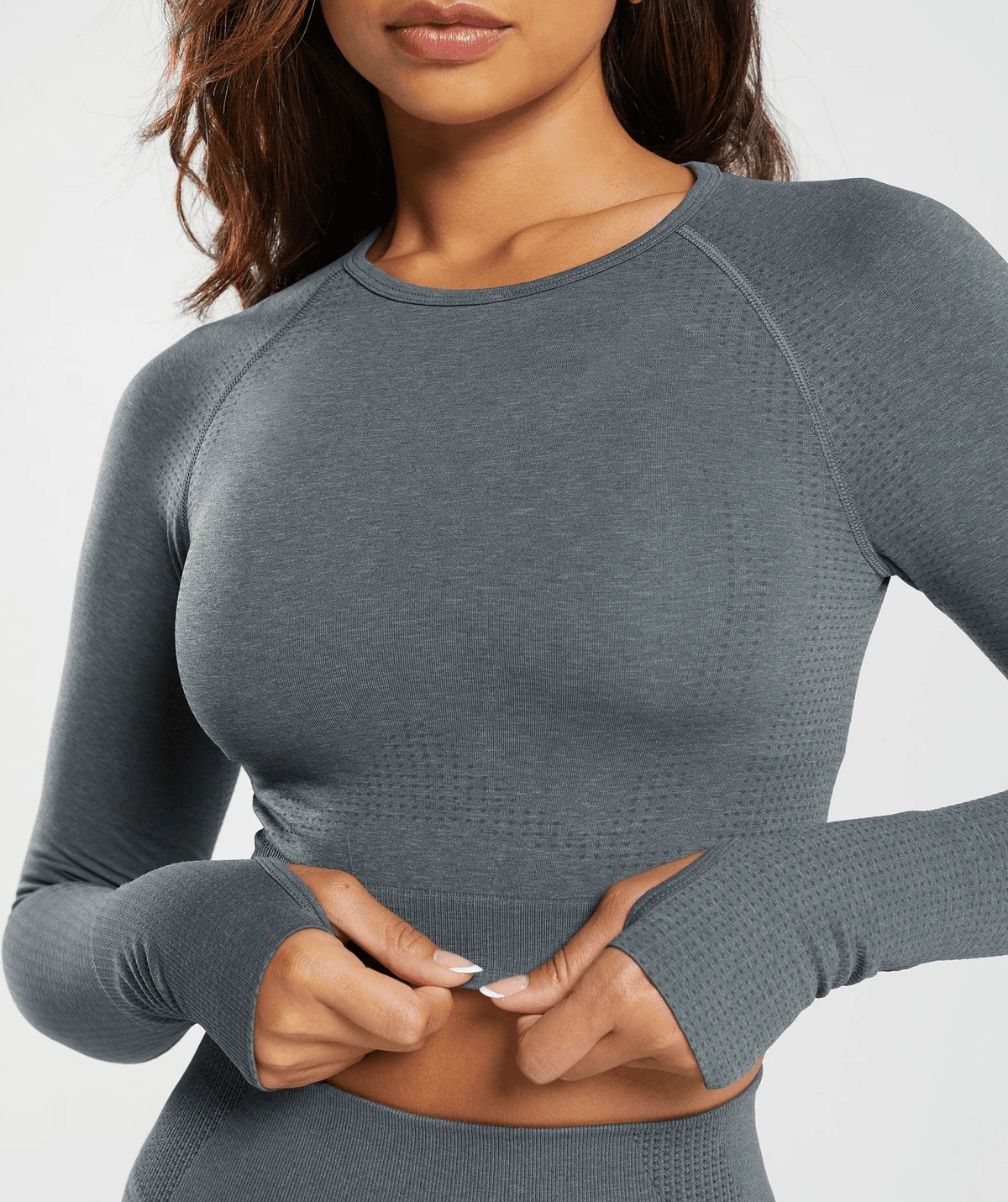
1. **Support and Compression**: Many lightweight activewear options offer compression features that provide muscle support, helping to reduce the risk of strains and sprains.
2. **Improved Motion Dynamics**: The design of lightweight activewear enhances the natural movement patterns of the body, promoting better biomechanics and reducing the likelihood of injury.
3. **Reduced Overheating**: By maintaining a comfortable body temperature, lightweight clothing helps prevent overheating and fatigue, both of which can lead to injuries.
Choosing the Right Lightweight Activewear
When selecting activewear, consider the following factors to ensure you are making an informed choice:
1. **Fit**: The fit of your activewear can significantly impact your performance and comfort. Look for garments that hug the body without being restrictive.
2. **Material**: Opt for materials known for their moisture-wicking and breathable properties, such as polyester blends or nylon, which are light and quick-drying.
3. **Design Features**: Look for added features like flatlock seams to prevent chafing, mesh panels for ventilation, and ergonomic designs that support active movement.
Types of Lightweight Activewear and Their Benefits
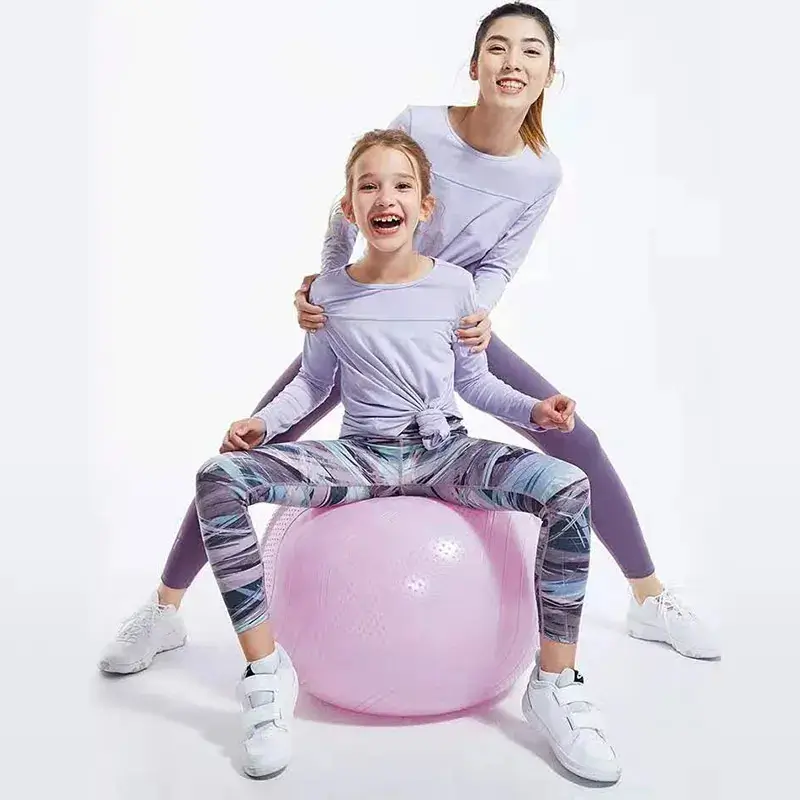
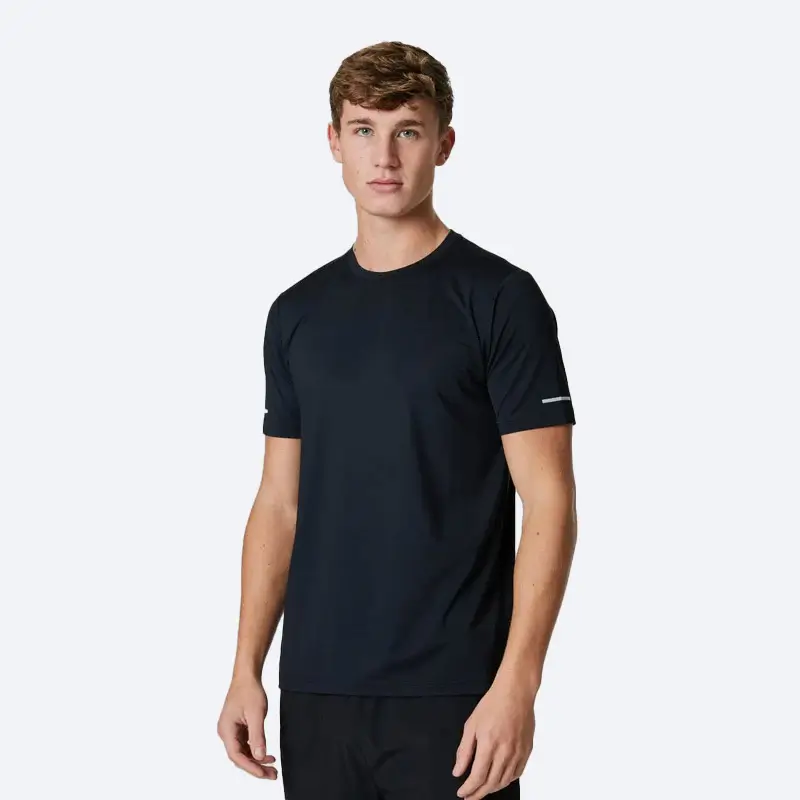
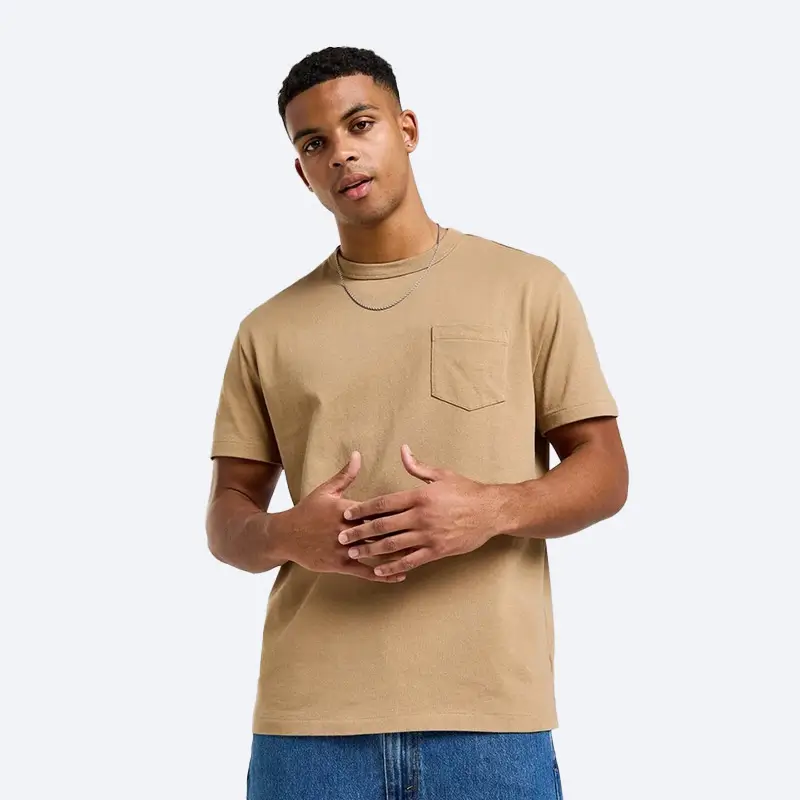
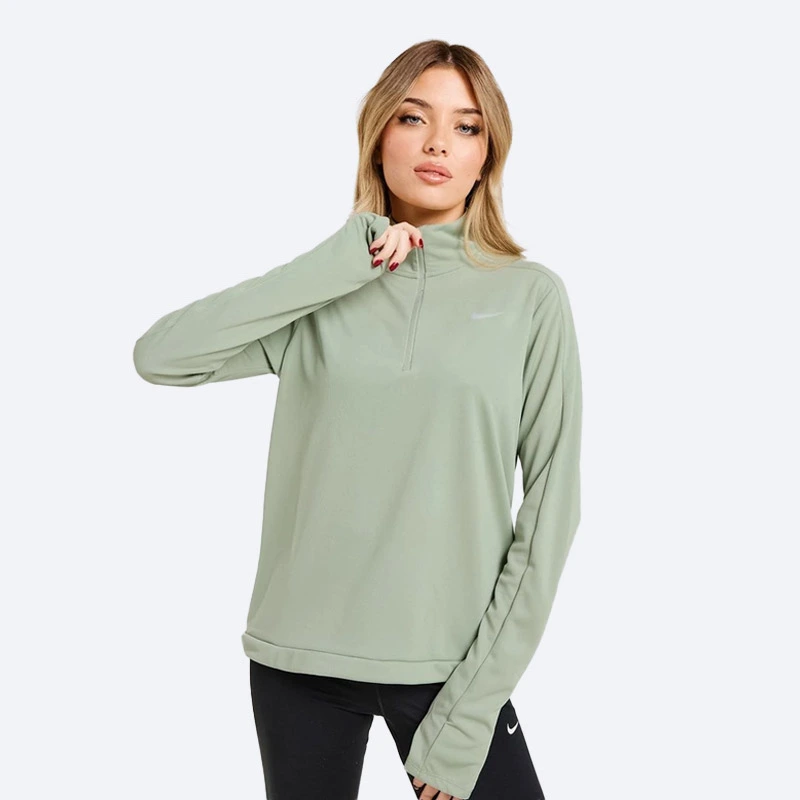
1. **Lightweight Tops**: T-shirts, tanks, and long sleeves made from breathable materials are essential for moisture management and comfort.
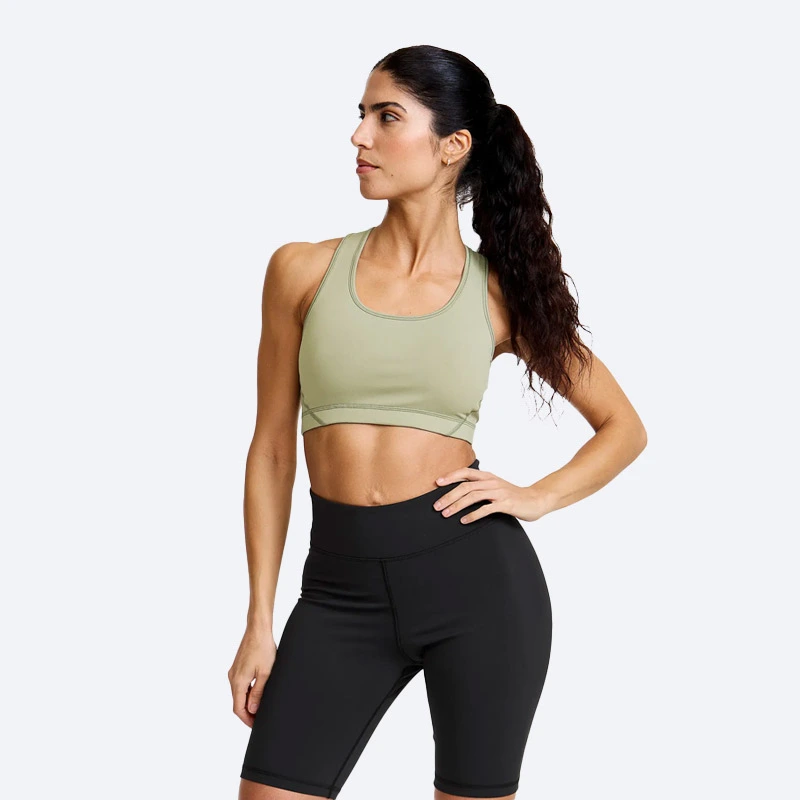
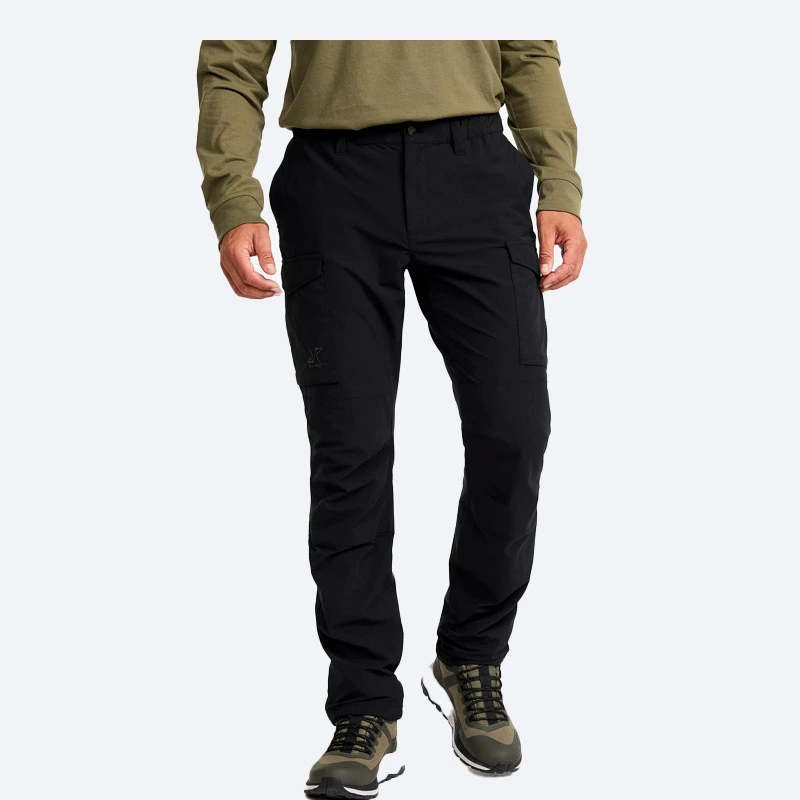
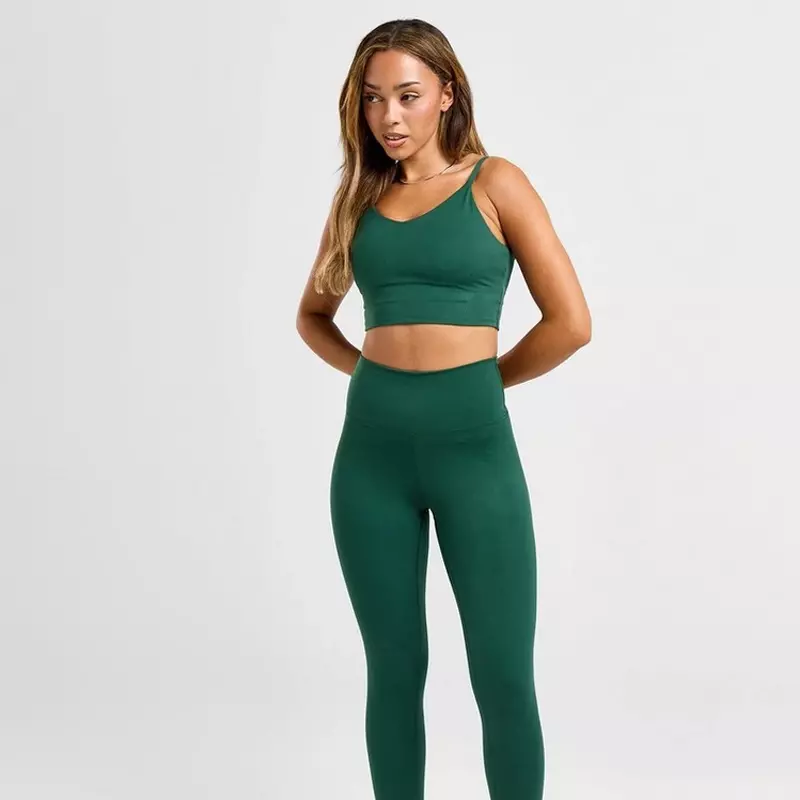
2. **Bottoms**: Lightweight shorts and leggings with compression features help stabilize muscles and improve blood circulation.
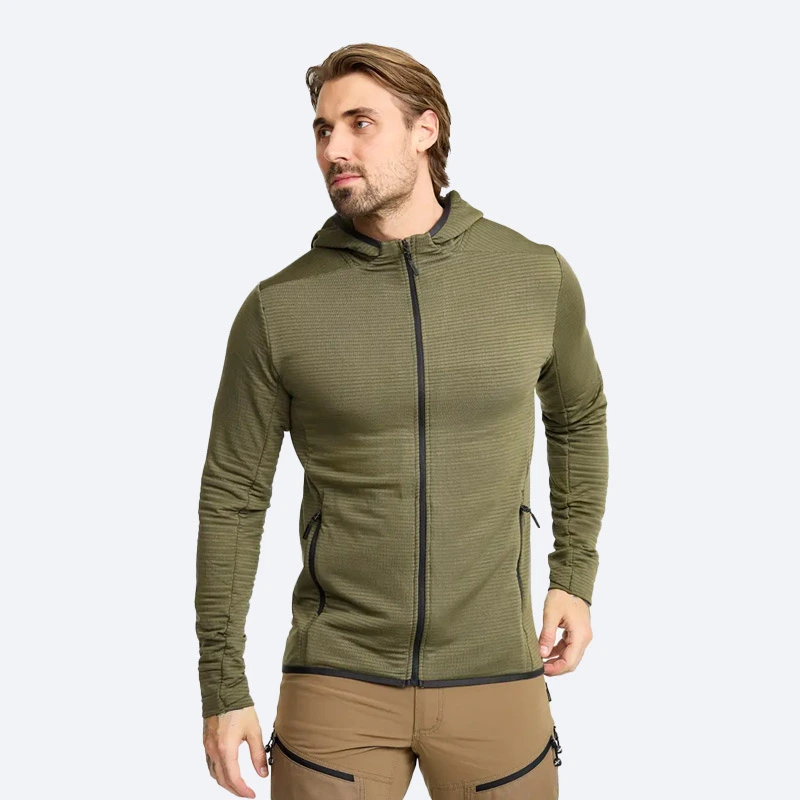
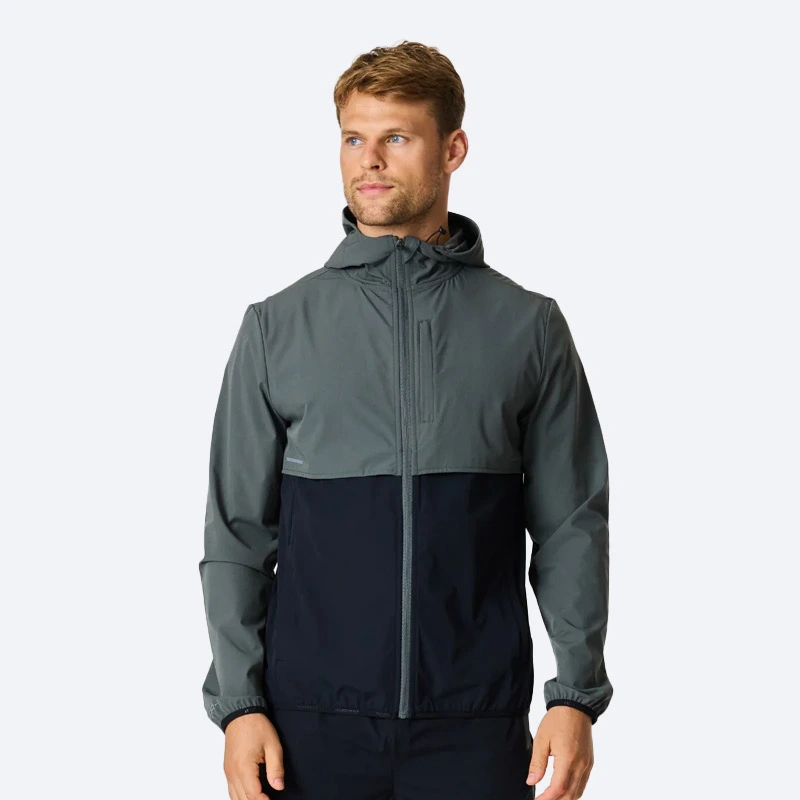
3. **Outerwear**: Lightweight jackets and vests provide an additional layer without adding bulk, essential for outdoor activities in varying weather conditions.
The Role of Technology in Lightweight Activewear
With advancements in textile technology, lightweight activewear has evolved significantly. Many brands now incorporate features like:
1. **Temperature Regulation**: Smart fabrics that adapt to body temperature to provide warmth or cooling as needed.
2. **Antimicrobial Properties**: Treatment of fabrics to resist odors and bacteria, keeping the wearer fresh during extended workouts.
Personal Experiences: Athletes Share Their Insights
Many athletes emphasize the importance of lightweight activewear in their training regimens. Here are a few testimonials:
- **Professional Runner**: "Switching to lightweight gear drastically improved my running times. I felt less weighed down and more agile, which helped me avoid injuries."
- **Yoga Instructor**: "The right activewear allows me to move freely and focus on my practice. I’ve noticed fewer strains since choosing breathable, flexible clothing."
Common Misconceptions About Lightweight Activewear
1. **It’s Only for Professional Athletes**: Lightweight activewear is beneficial for everyone, from casual gym-goers to experienced athletes.
2. **It’s Expensive**: While some brands can be pricey, many affordable options provide excellent performance and comfort.
FAQs about Lightweight Activewear and Injury Prevention
1. How does lightweight activewear differ from regular clothing?
Lightweight activewear is specifically designed for physical activities, focusing on breathability, flexibility, and moisture management, while regular clothing may not offer these benefits.
2. Can lightweight activewear really prevent injuries?
Yes, by providing support, reducing overheating, and improving motion dynamics, lightweight activewear can significantly lower the risk of injuries.
3. What should I look for when buying lightweight activewear?
Focus on fit, material, and specific design features like moisture-wicking and flexibility to ensure the best performance and comfort.
4. Is compression gear worth investing in?
Compression gear can help support muscles and enhance blood circulation, making it a worthwhile investment for injury prevention.
5. Can I wear lightweight activewear for activities other than sports?
Absolutely! Lightweight activewear is versatile and suitable for various activities, including casual outings, travel, and everyday wear.
Conclusion
In conclusion, lightweight activewear plays a pivotal role in injury prevention, enhancing both performance and comfort for athletes and fitness enthusiasts alike. By choosing the right gear, individuals can minimize the risk of injuries while maximizing their workout potential. Investing in high-quality, breathable, and flexible activewear is not just a matter of style; it’s a crucial step towards a healthier and more active lifestyle. Embrace the benefits of lightweight activewear, and ensure that your fitness journey is safe, enjoyable, and effective.
Lightweight activewear




Whatsapp/Phone
Email(Terry)
Email:
Address
No.926 NanHuan Road,ChangTai Street,LiCheng District,Quanzhou,FuJian,China.