






13
2026
-
04
From Casual to Competitive: The Evolution of Running Wear
Author:
From Casual to Competitive: The Evolution of Running Wear Running has always been a popular activity, whether pursued for leisure or competition. However, the evolution of running wear has significantly influenced the way runners interact with their sport. This article delves into the transformation of running apparel, illustrating how it has progressed from simple and casual attire to high-tech,
From Casual to Competitive: The Evolution of Running Wear
Running has always been a popular activity, whether pursued for leisure or competition. However, the evolution of running wear has significantly influenced the way runners interact with their sport. This article delves into the transformation of running apparel, illustrating how it has progressed from simple and casual attire to high-tech, competitive gear designed for optimal performance. Let’s explore this fascinating journey together.
Table of Contents
- 1. Historical Overview of Running Apparel
- 2. The Rise of Athleisure in Running Wear
- 3. Technological Advancements in Running Gear
- 4. Fabric Innovations: Comfort Meets Performance
- 5. The Evolution of Design in Running Apparel
- 6. The Interplay Between Fashion and Performance
- 7. Choosing the Right Gear for Your Needs
- 8. The Future of Running Wear: Trends and Predictions
- 9. FAQs About Running Wear Evolution
1. Historical Overview of Running Apparel
The journey of running wear dates back to ancient times when athletes competed in minimal clothing. Early runners often donned simple tunics or shorts made from natural materials. As running became more organized and formalized in the late 19th century, the need for specialized clothing emerged. The introduction of cotton fabrics marked a significant turning point, providing runners with more comfort and ease of movement.
In the mid-20th century, running gear began to evolve rapidly alongside the rising popularity of the sport. The 1960s and 1970s saw the birth of running-specific brands, leading to the creation of shorts, singlets, and shoes designed expressly for runners. These innovations laid the groundwork for the competitive running apparel we see today.
2. The Rise of Athleisure in Running Wear
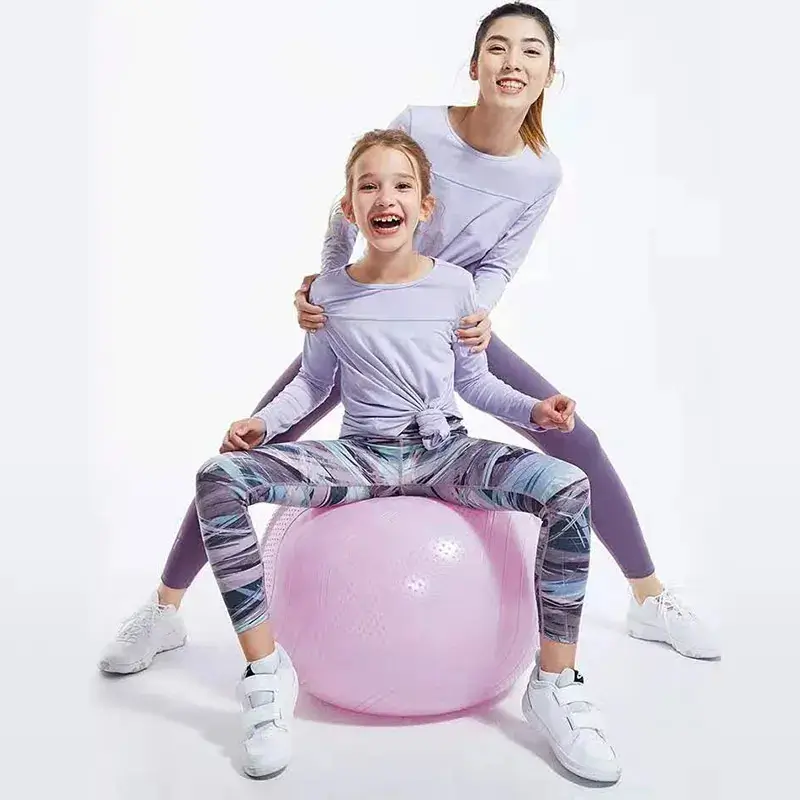
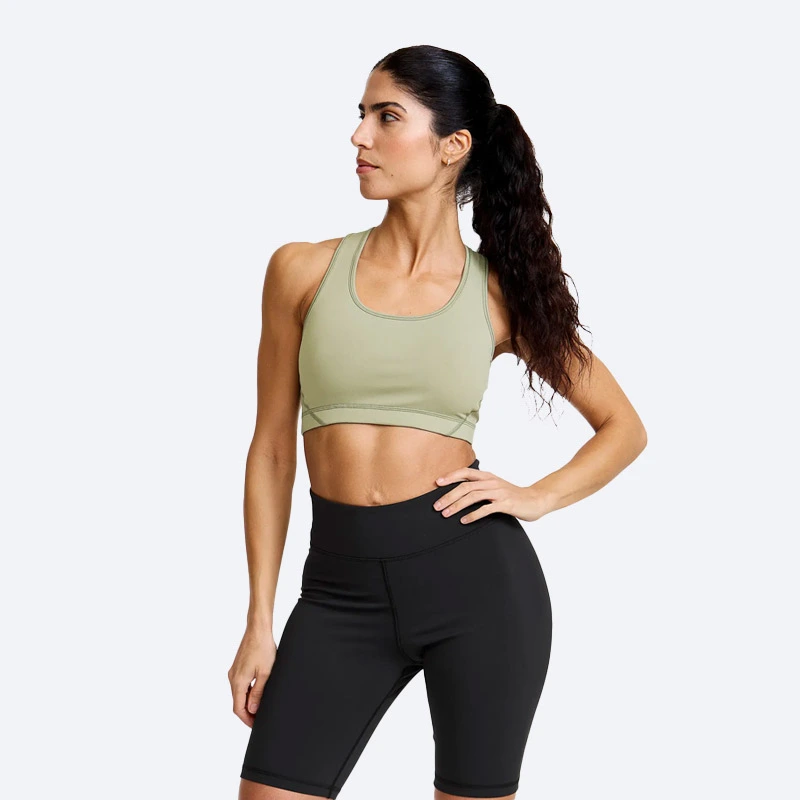
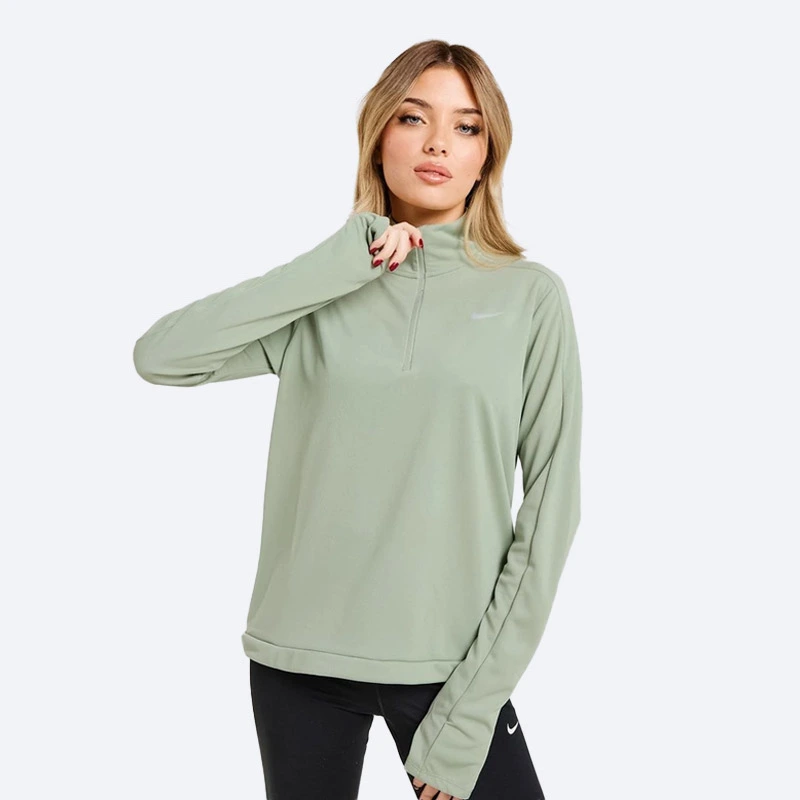
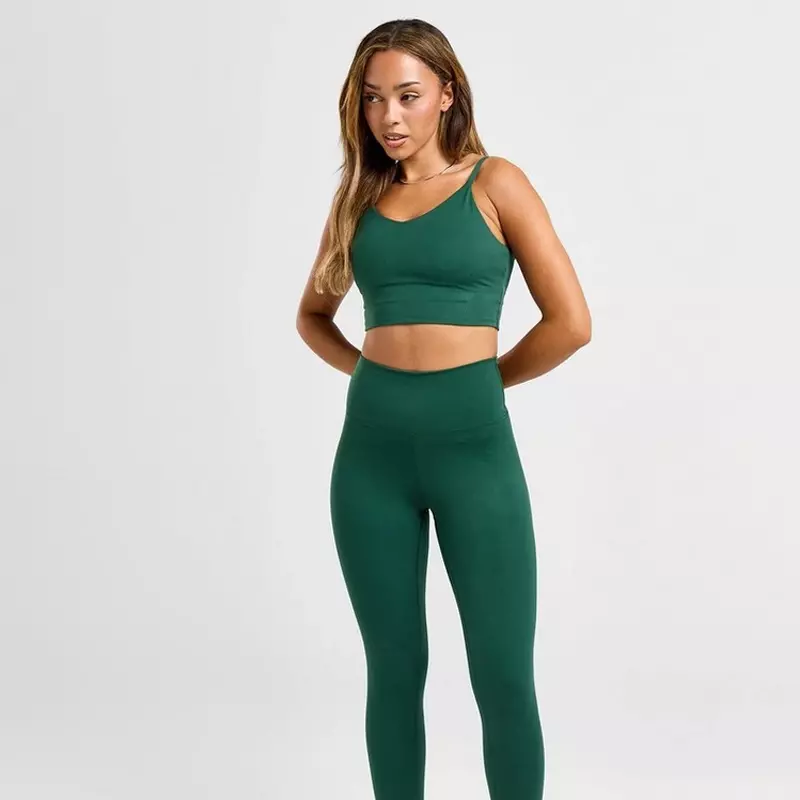
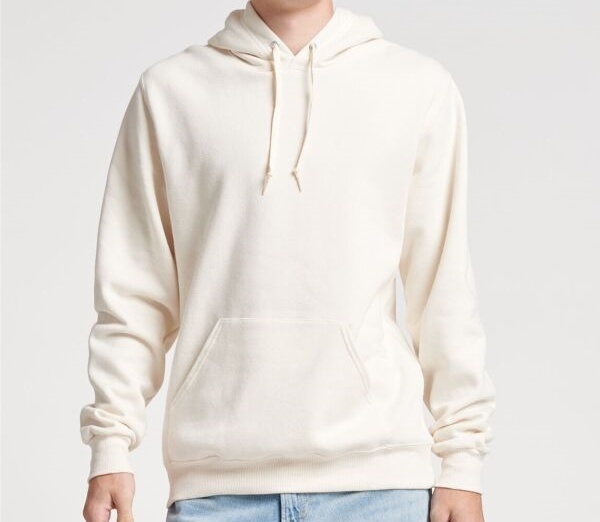
In recent years, the athleisure trend has taken the fitness and fashion world by storm. Athleisure combines athletic wear with casual styling, making it suitable for various activities beyond running. This trend has significantly influenced running apparel, leading to a surge in stylish yet functional running gear. Runners now have access to a plethora of options, from vibrant colors to trendy designs, encouraging more individuals to embrace running as a lifestyle.
Brands have responded by creating collections that cater to both fashion and functionality. As a result, running wear is no longer confined to the gym or the track; it has seamlessly integrated into everyday life. This shift has made running more accessible, inviting people from all walks of life to join the community.
3. Technological Advancements in Running Gear
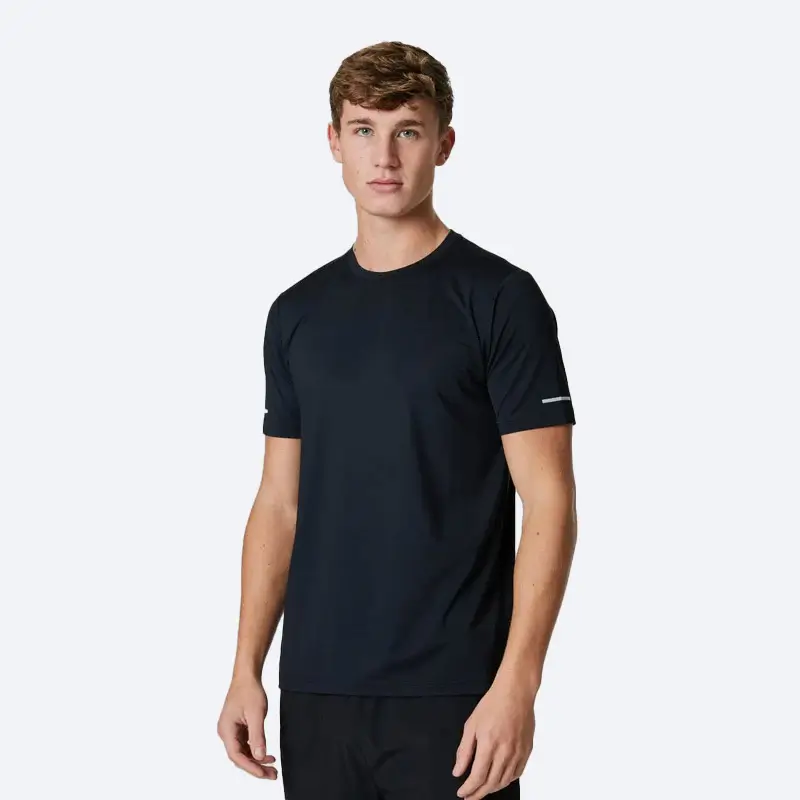
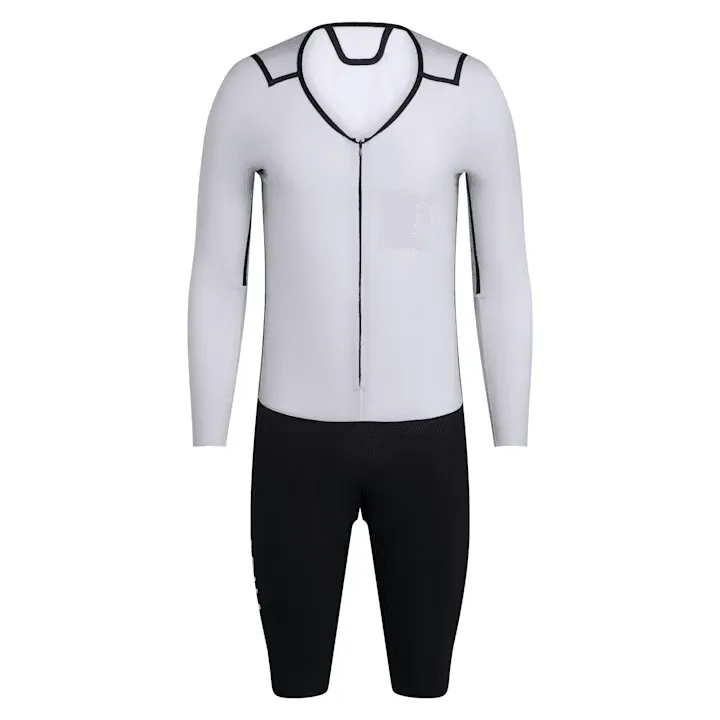
Technological advancements have played a crucial role in the evolution of running wear. From moisture-wicking fabrics to advanced cushioning technologies in shoes, these innovations have transformed the experience of running. Modern running apparel is designed to enhance performance while prioritizing comfort and durability.
One groundbreaking development has been the introduction of smart fabrics that adapt to the wearer’s body temperature and exertion levels. These fabrics can regulate heat and moisture, providing optimal comfort during runs. Additionally, wearable technology, such as fitness trackers and smartwatches, has become an integral part of a runner’s gear, offering real-time feedback on performance and health metrics.
4. Fabric Innovations: Comfort Meets Performance
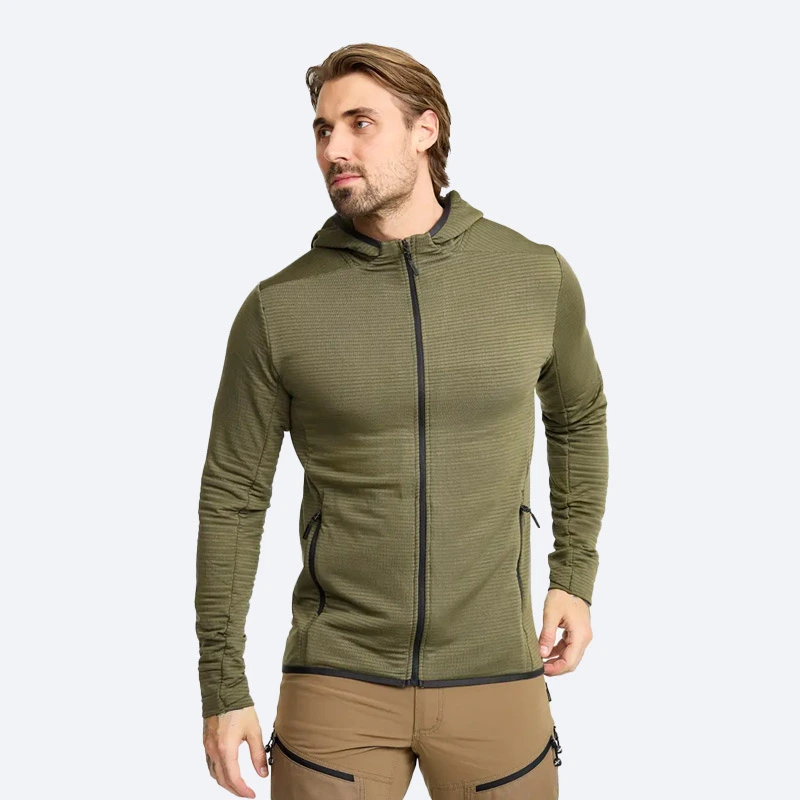
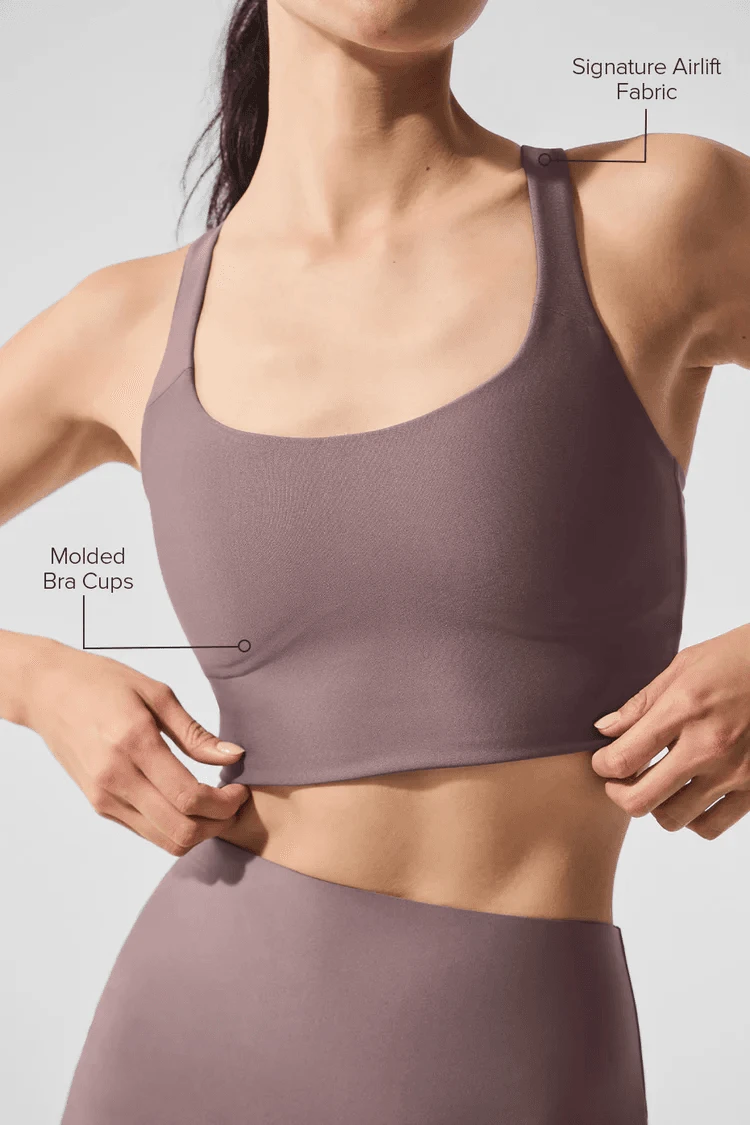
As we continue to explore the evolution of running wear, it’s essential to highlight the role of fabric innovations. The introduction of synthetic materials, such as polyester and nylon, has revolutionized running apparel. These fabrics are lightweight, breathable, and quick-drying, making them ideal for intense workouts.
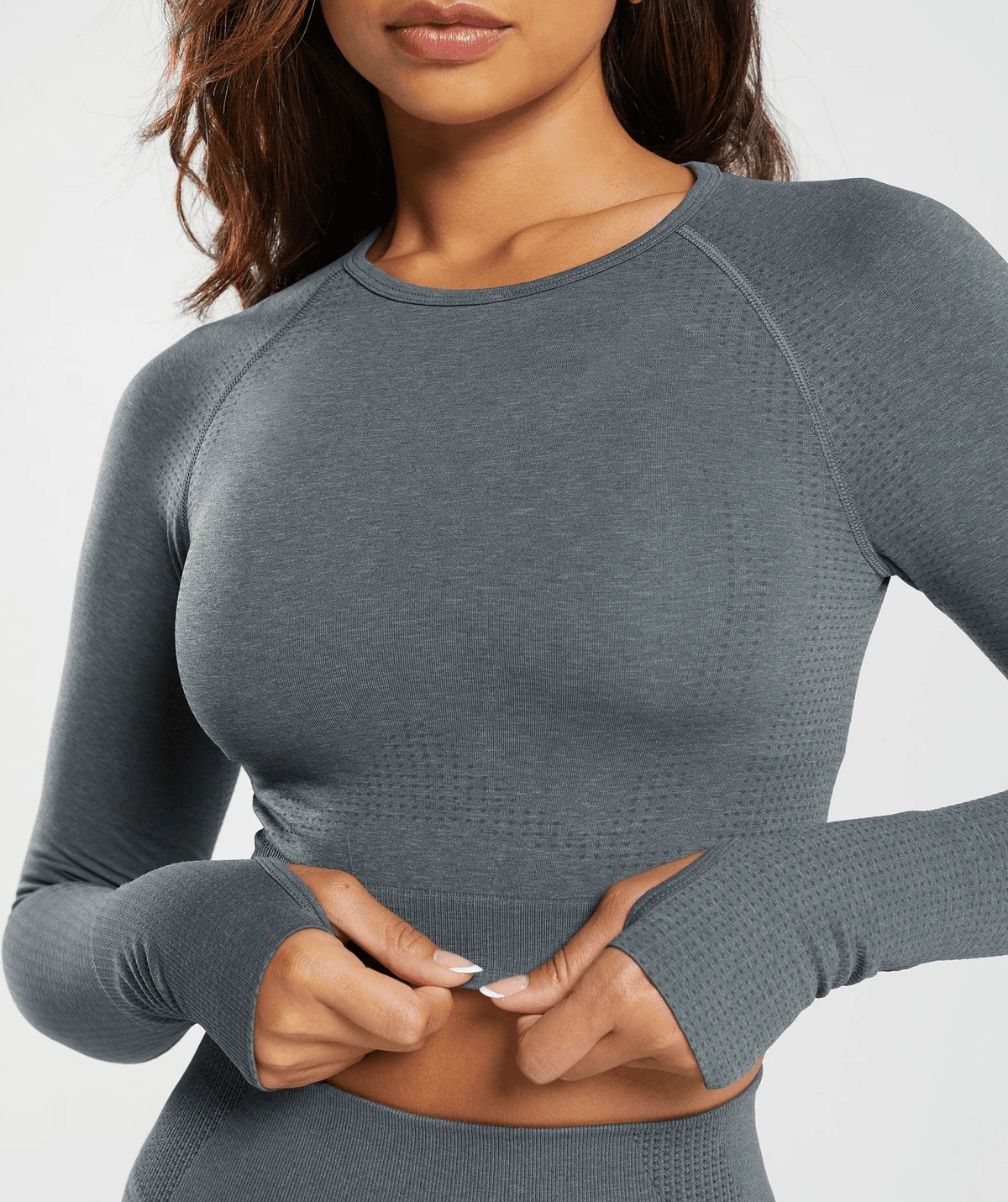
Moreover, advancements in fabric technology have led to the development of anti-chafe features and seamless construction, eliminating discomfort during runs. Additionally, many brands now incorporate eco-friendly materials into their products, appealing to a growing demographic of environmentally conscious consumers.
5. The Evolution of Design in Running Apparel
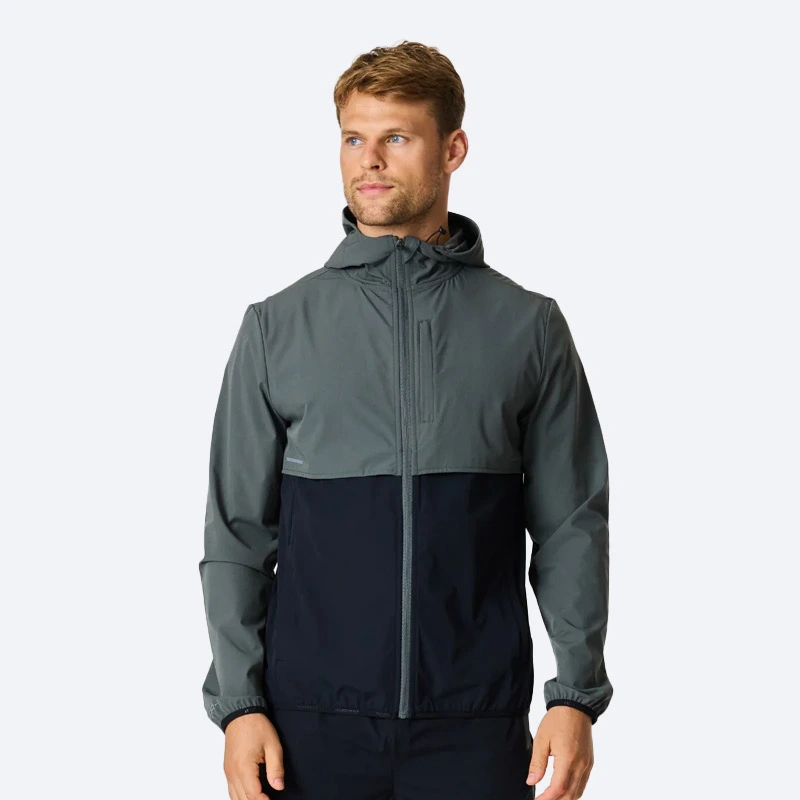
The design evolution of running wear has also been remarkable. Early running gear was primarily focused on function, but today’s designs seamlessly blend aesthetics with performance. Fashionable patterns, vivid colors, and sleek silhouettes have become prevalent, attracting a broader audience.
Modern running apparel also takes into account the diverse needs of different types of runners. Whether someone is a casual jogger or a competitive marathoner, brands now offer specialized clothing that caters to various preferences and requirements. This tailored approach enhances the running experience and promotes inclusivity within the sport.
6. The Interplay Between Fashion and Performance
The intersection of fashion and performance is a defining characteristic of contemporary running wear. Runners want gear that looks good while also performing at a high level. This demand has compelled brands to invest in research and development, ensuring that their running wear not only meets style standards but also enhances athletic performance.
For example, many brands collaborate with fashion designers to create limited-edition running collections. These collaborations often merge high fashion with cutting-edge sports technology, resulting in apparel that appeals to both fashion enthusiasts and serious athletes. This fusion has made running clothing a status symbol, further promoting the sport.
7. Choosing the Right Gear for Your Needs
When it comes to selecting running wear, it’s essential to consider various factors to ensure optimal performance and comfort. Here’s a guide to help you choose the right gear:
7.1 Understand Your Running Style
Your running style, whether it’s casual, long-distance, or competitive, greatly influences your choice of apparel. Casual runners may prioritize comfort, while competitive runners might require performance-enhancing gear.
7.2 Consider Climate and Conditions
The weather can significantly impact your running experience. Look for moisture-wicking fabrics for hot conditions and thermal layers for colder weather. Choosing the right clothing helps regulate your body temperature and improve performance.
7.3 Pay Attention to Fit and Comfort
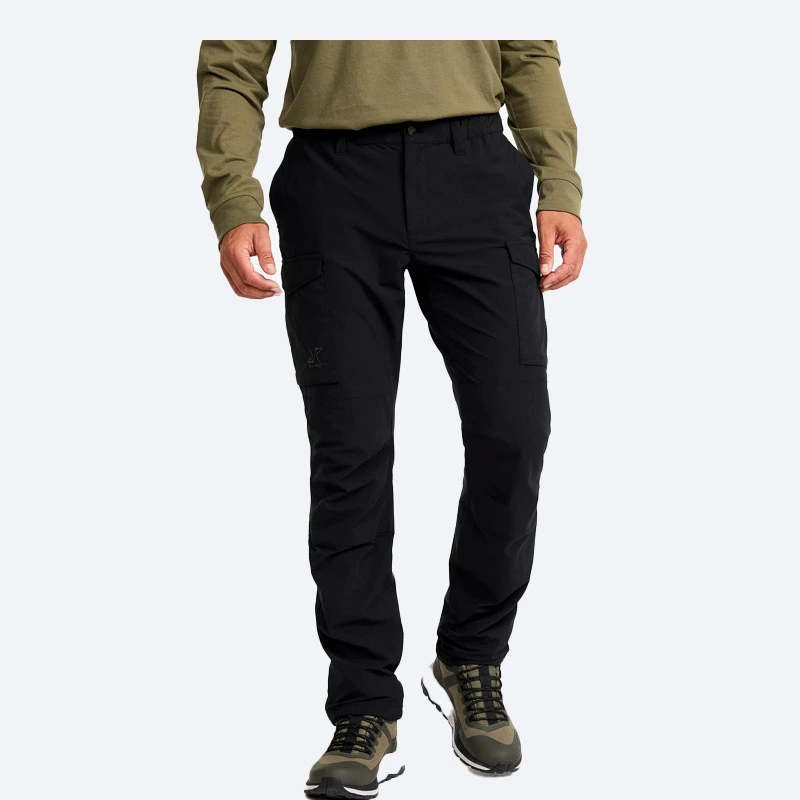
Running wear should fit well without being too tight or loose. Look for gear that allows for a full range of motion while minimizing distractions. Comfort is key to maintaining focus during your run.
7.4 Don’t Forget About Accessories
Accessories such as running shoes, socks, hats, and hydration gear play a vital role in your overall experience. Invest in quality shoes that provide the right support for your foot type and running style.
8. The Future of Running Wear: Trends and Predictions
Looking ahead, the future of running wear promises exciting developments. As technology and fashion continue to evolve, we can expect to see even more innovative fabrics and designs tailored to specific needs.
Additionally, sustainability will likely become a more significant focus for brands. Consumers are increasingly demanding eco-friendly options, prompting companies to adopt ethical practices in their production processes. Expect to see a rise in biodegradable materials and recycled fabrics in running wear.
9. FAQs About Running Wear Evolution
9.1 What materials are best for running wear?
The best materials for running wear are synthetic fabrics, such as polyester and nylon, which offer moisture-wicking, breathability, and quick-drying properties.
9.2 How has running wear changed over the years?
Running wear has evolved from simple cotton attire to technologically advanced apparel that prioritizes both performance and style. Innovations in fabric and design have revolutionized the running experience.
9.3 Is athleisure suitable for running?
Yes, athleisure can be suitable for running, provided it offers moisture-wicking properties, comfort, and a good fit. However, specialized running gear may enhance performance further.
9.4 What should I look for in running shoes?
Look for running shoes that fit well, provide adequate cushioning and support based on your foot type, and are designed for your specific running style.
9.5 Are there environmentally friendly options for running wear?
Yes, many brands now offer eco-friendly running wear made from recycled materials or biodegradable fabrics, catering to environmentally conscious consumers.
Conclusion
The evolution of running wear from casual to competitive is a testament to the sport’s growing popularity and the influence of technology and fashion. As runners, we now have access to a wide range of apparel that not only enhances our performance but also reflects our personal style. Whether embarking on a casual jog or training for a marathon, choosing the right gear has never been more critical. By embracing innovations and trends in running wear, we can elevate our running experience and invite others to join in this dynamic community.
Running Wear



Whatsapp/Phone
Email(Terry)
Email:
Address
No.926 NanHuan Road,ChangTai Street,LiCheng District,Quanzhou,FuJian,China.