






15
2026
-
04
Understanding the Fit: Tailored vs. Loose Cycling Wear for Optimal Performance
Author:
Understanding the Fit: Tailored vs. Loose Cycling Wear for Optimal Performance Table of Contents 1. Introduction to Cycling Wear Fit 2. The Importance of Fit in Cycling Apparel 3. What is Tailored Cycling Wear? 4. Benefits of Tailored Cycling Wear 5. What is Loose Cycling Wear? 6. Benefits of Loose Cycling Wear 7. Which Fit Should You Choose? 8. Expert Advice on Cy
Understanding the Fit: Tailored vs. Loose Cycling Wear for Optimal Performance
Table of Contents
- 1. Introduction to Cycling Wear Fit
- 2. The Importance of Fit in Cycling Apparel
- 3. What is Tailored Cycling Wear?
- 4. Benefits of Tailored Cycling Wear
- 5. What is Loose Cycling Wear?
- 6. Benefits of Loose Cycling Wear
- 7. Which Fit Should You Choose?
- 8. Expert Advice on Cycling Wear Fit
- 9. Conclusion
- 10. Frequently Asked Questions
1. Introduction to Cycling Wear Fit
Cycling wear is more than just a fashion statement; it significantly impacts your performance and comfort on the road or trail. When it comes to cycling apparel, the fit is crucial. This article delves into the two primary types of cycling wear: tailored and loose-fitting. Understanding their differences can enhance your riding experience and help you make an informed choice.
2. The Importance of Fit in Cycling Apparel
The fit of cycling wear affects aerodynamics, comfort, and temperature regulation. A well-fitted outfit can reduce drag and improve your overall cycling efficiency. Conversely, ill-fitting clothes can cause chafing, restrict movement, and even affect your mental focus while riding. Thus, knowing the right fit for your body and cycling style is essential.
3. What is Tailored Cycling Wear?
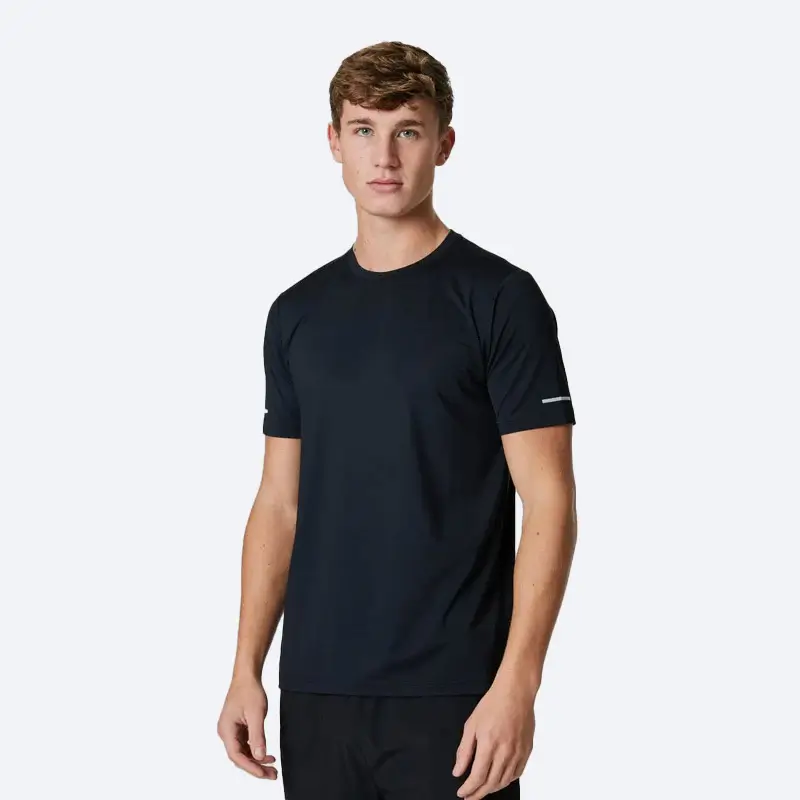
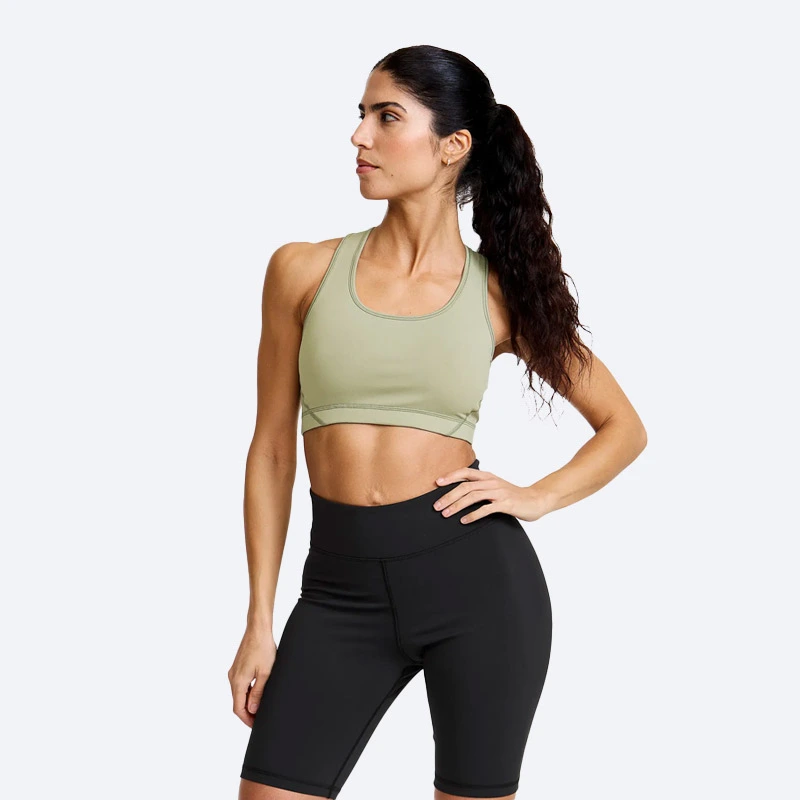
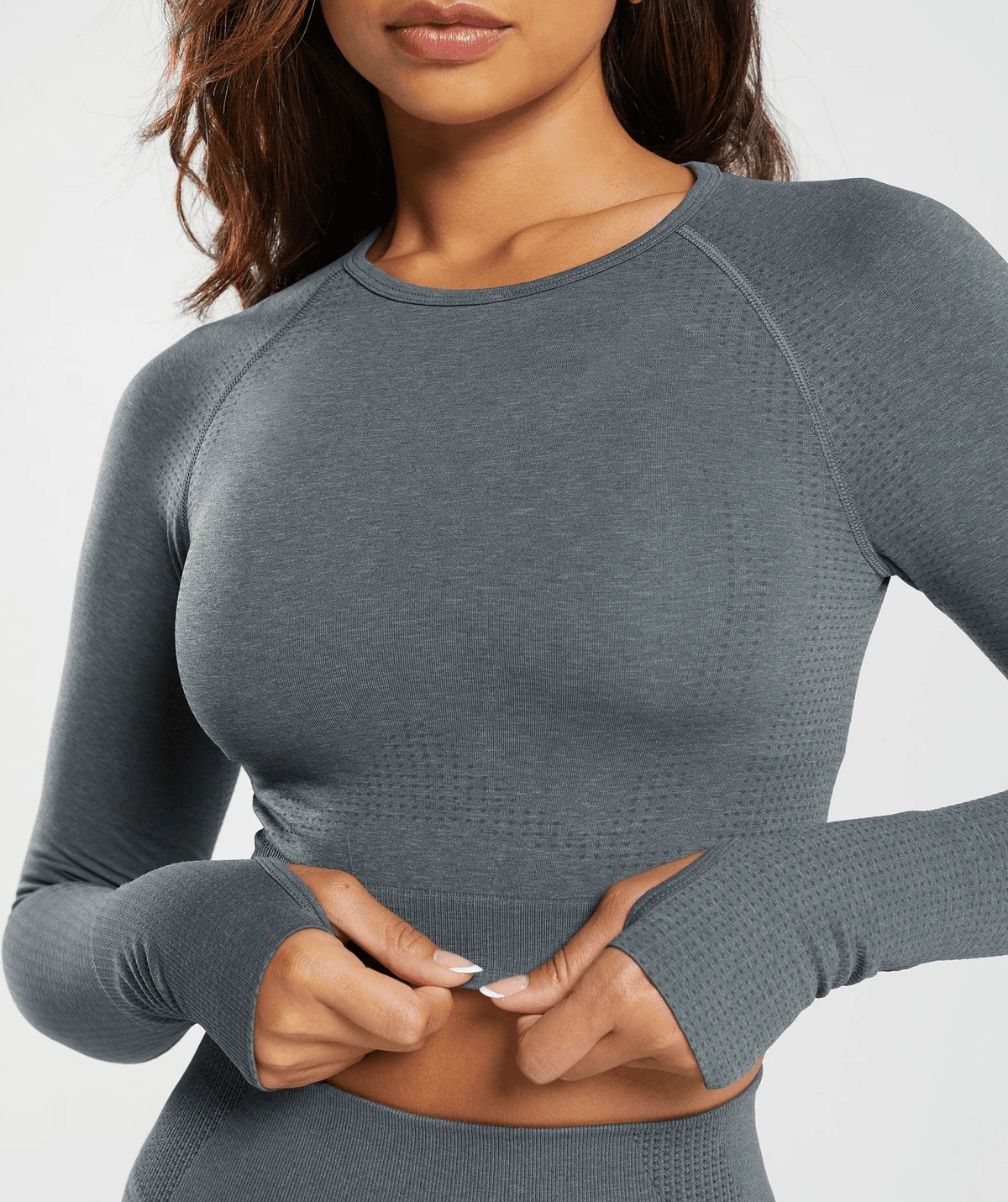
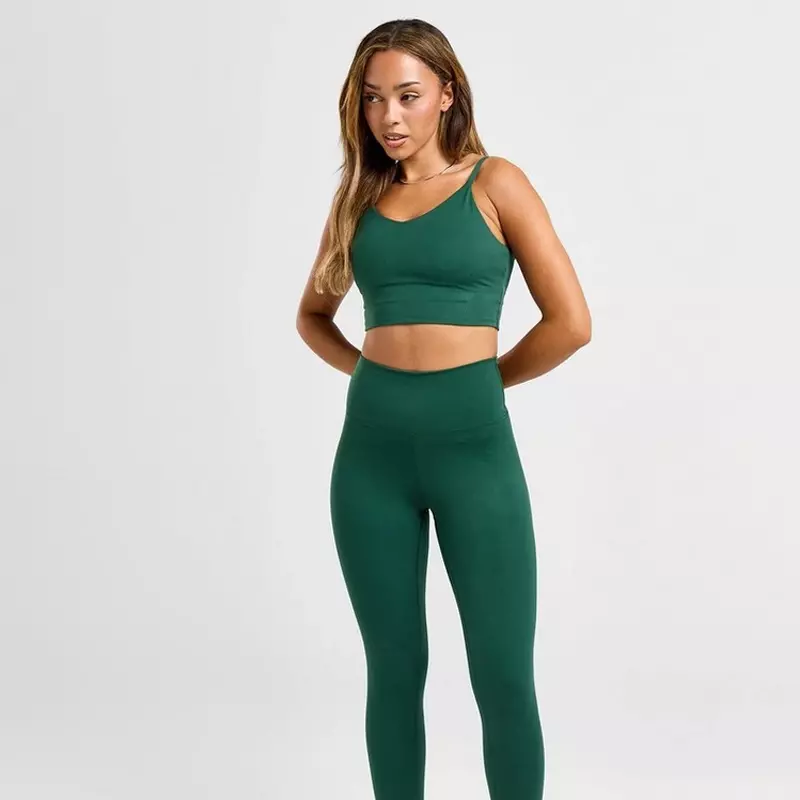
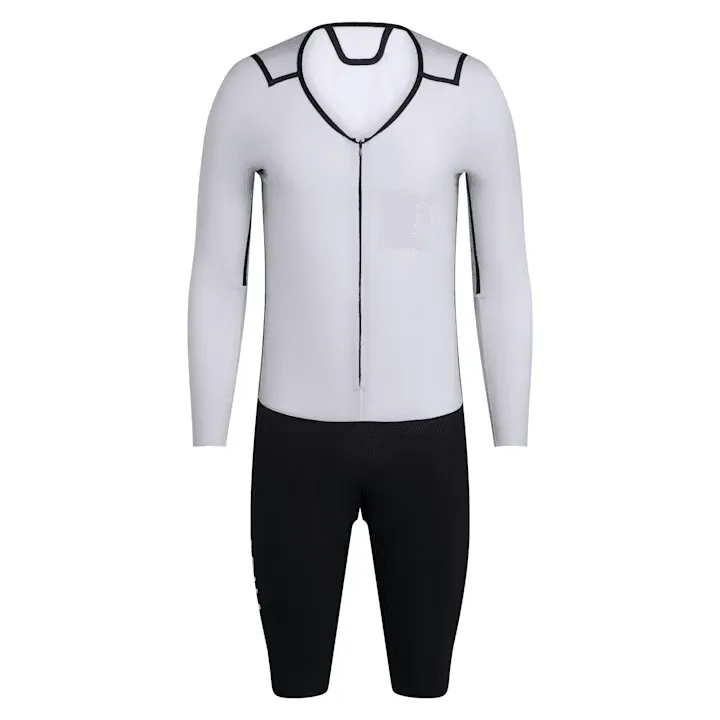
Tailored cycling wear is designed to fit snugly against the body, offering a streamlined silhouette. This type of clothing is often crafted from stretchy, breathable materials that conform to the shape of your body, minimizing excess fabric that can lead to wind resistance. Tailored options are common among competitive cyclists and those who prioritize performance.
Characteristics of Tailored Cycling Wear
- **Snug Fit**: Close to the body for improved aerodynamics.
- **Lightweight Materials**: Often made from high-tech fabrics that wick moisture and provide ventilation.
- **Reduced Drag**: Designed to minimize the resistance encountered while cycling at high speeds.
4. Benefits of Tailored Cycling Wear
Choosing tailored cycling wear comes with several advantages:
Enhanced Performance
The snug fit of tailored wear reduces wind resistance, allowing you to cycle faster and more efficiently. This benefit is particularly noticeable during long rides or competitive events.
Improved Comfort
While it may seem counterintuitive, a tailored fit can enhance comfort by preventing fabric from bunching up or moving around during rides. Properly fitting cycling garments reduce chafing and discomfort.
Temperature Regulation
Tailored cycling apparel often incorporates advanced materials that help regulate body temperature. The close fit allows for better moisture management, keeping you dry and comfortable.
5. What is Loose Cycling Wear?
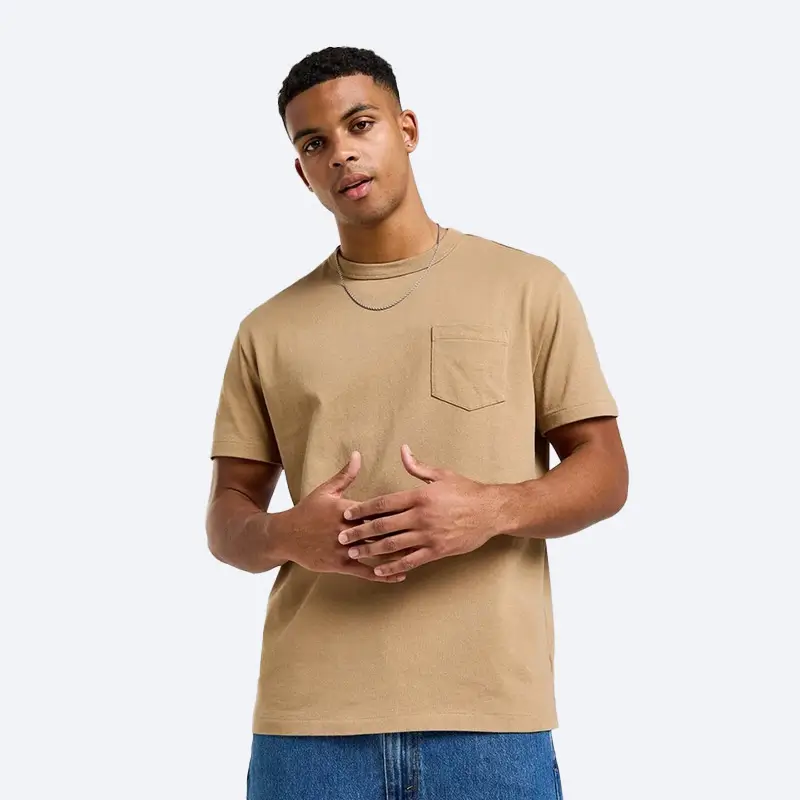
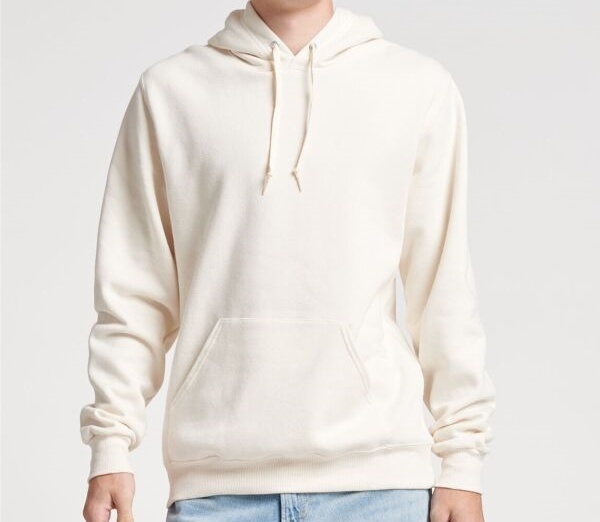
Loose cycling wear, as the name suggests, offers a more relaxed fit. This type of apparel provides extra room and mobility, often appealing to recreational cyclists and those who prefer a more casual style.
Characteristics of Loose Cycling Wear
- **Relaxed Fit**: Allows for greater freedom of movement.
- **Variety of Styles**: Available in various designs, including jerseys, shorts, and jackets.
- **Breathable Fabrics**: Often made from lightweight materials but not as form-fitting as tailored options.
6. Benefits of Loose Cycling Wear
Loose cycling wear presents its own set of benefits:
Comfort and Freedom of Movement
Loose-fitting apparel allows for unrestricted movement, making it ideal for those who enjoy leisurely rides or off-road cycling. It can be particularly beneficial for beginners who are still finding their comfort zone on the bike.
Casual Style
For many cyclists, style plays a crucial role in their cycling experience. Loose cycling wear often comes in various designs, colors, and patterns, allowing you to express your personality while on the bike.
Layering Options
Loose cycling wear is easier to layer with other clothing, making it suitable for changing weather conditions. You can easily add or remove layers based on temperature fluctuations during your ride.
7. Which Fit Should You Choose?
The choice between tailored and loose cycling wear ultimately depends on your personal preferences, riding style, and objectives.
Consider Your Riding Style
- **Competitive Cyclists**: If you ride competitively or pursue high-speed cycling, tailored wear is likely the better option due to its advantages in aerodynamics and comfort.
- **Recreational Riders**: For casual cyclists who enjoy leisurely rides or off-road adventures, loose wear may provide the comfort and style they desire.
Assess Your Body Type
Each body type may respond differently to various fits. Tailored wear can accentuate your physique, while loose wear offers a relaxed appearance. Consider how each type fits your body shape and personal style.
Evaluate Weather Conditions
If you often ride in varying weather conditions, loose cycling wear may provide the versatility needed for layering, while tailored wear might be more suitable for warmer climates where airflow is essential.
8. Expert Advice on Cycling Wear Fit
To maximize your cycling experience, consider seeking advice from cycling experts or professional fitters. They can provide tailored recommendations based on your riding goals, body type, and preferences. Additionally, trying on various styles in-store can help you determine which fit feels best.
9. Conclusion
Choosing between tailored and loose cycling wear is a personal decision that greatly affects your cycling experience. While tailored wear offers performance benefits, loose-fitting apparel provides comfort and style. Assess your riding style, body type, and personal preferences to make an informed choice that enhances your performance and enjoyment on the bike.
10. Frequently Asked Questions
1. What should I look for when choosing cycling wear?
Consider factors like fit, materials, breathability, temperature regulation, and your personal style when selecting cycling apparel.
2. Is tailored cycling wear suitable for all body types?
While tailored cycling wear suits many body types, it’s important to find the right size and fit for your unique shape. Some may prefer the comfort of loose wear.
3. Can I wear loose cycling wear for competitive cycling?
While possible, loose cycling wear may not provide the same aerodynamic benefits as tailored options. It’s advisable to choose fitted wear for competitive cycling.
4. How should I care for my cycling wear?
Follow the care instructions on the label. Generally, machine wash in cold water and avoid fabric softeners to preserve the integrity of performance fabrics.
5. How important is the material of cycling wear?
The material greatly affects comfort, breathability, and moisture management. Choose lightweight, moisture-wicking fabrics for optimal performance.
By understanding the differences between tailored and loose cycling wear, you can make a choice that enhances both your performance and enjoyment, making every ride a pleasurable experience.
Cycling Wear



Whatsapp/Phone
Email(Terry)
Email:
Address
No.926 NanHuan Road,ChangTai Street,LiCheng District,Quanzhou,FuJian,China.