








30
2026
-
04
The Essential Guide to Cycling Wear: Enhancing Your Ride
Author:
When it comes to cycling, the right wear is crucial for both performance and comfort. Cycling wear is specifically designed to meet the unique needs of cyclists, providing a blend of functionality and style. Understanding the features of cycling apparel can help you make informed choices that enhance your riding experience. One of the primary functions of cycling wear is to regulate body temperatu
When it comes to cycling, the right wear is crucial for both performance and comfort. Cycling wear is specifically designed to meet the unique needs of cyclists, providing a blend of functionality and style. Understanding the features of cycling apparel can help you make informed choices that enhance your riding experience.
One of the primary functions of cycling wear is to regulate body temperature. Most cycling garments are crafted from moisture-wicking materials that draw sweat away from the skin, keeping you dry and comfortable. This is especially important during longer rides or in warmer climates. Look for fabrics that provide breathability and quick-drying capabilities, as these will help maintain a consistent body temperature.
Another critical aspect of cycling wear is its fit. Cycling clothing is typically tighter than regular sportswear, which minimizes wind resistance and improves aerodynamics. This snug fit allows cyclists to cut through the air more efficiently, ultimately enhancing performance. It’s important to choose garments that fit well without being restrictive; most brands offer a range of sizes to accommodate different body shapes.
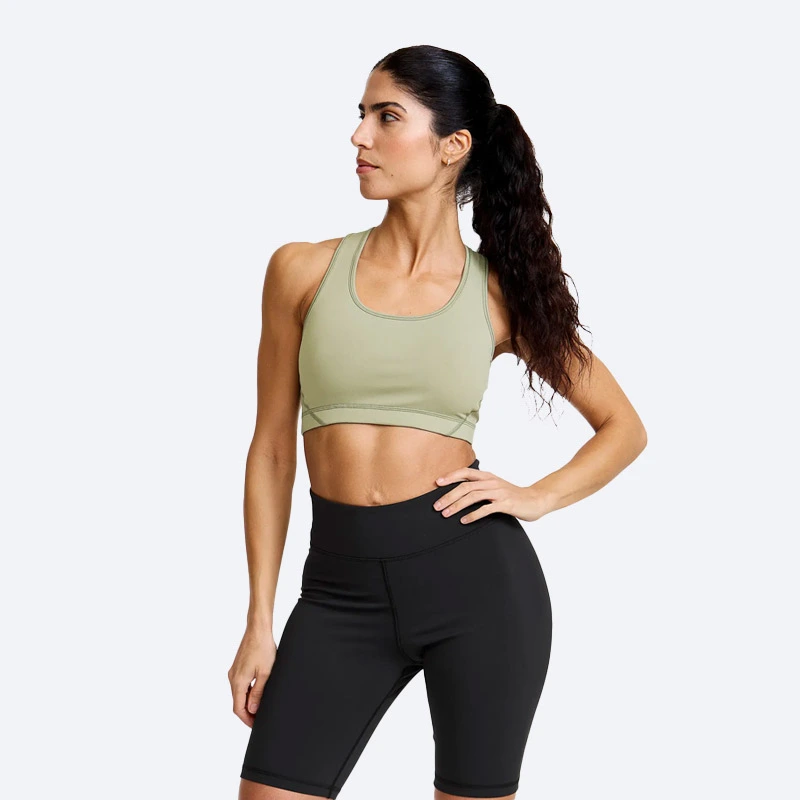
Padding is another significant feature found in many cycling shorts and bibs. This padding, or chamois, provides cushioning and reduces friction during rides, making long-distance cycling more comfortable. When selecting cycling shorts, consider the thickness and material of the padding, as this can greatly affect your comfort level on extended rides.
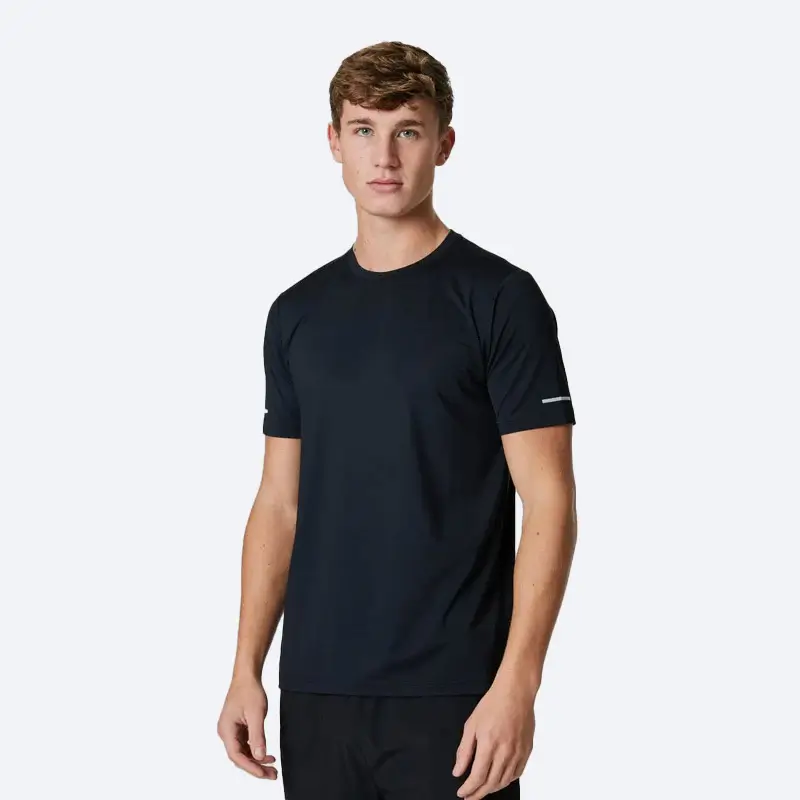
Cycling wear often incorporates reflective elements for safety. Visibility is a key concern for cyclists, especially when riding in low-light conditions. Look for garments that feature reflective stripes or logos, which can enhance your visibility to motorists and other road users.
In addition to these functional aspects, the style of cycling wear has evolved significantly. Today’s cycling apparel is available in a myriad of colors and designs, allowing cyclists to express their personal style while on the bike. Whether you prefer classic designs or bold patterns, there is cycling wear to suit every taste.
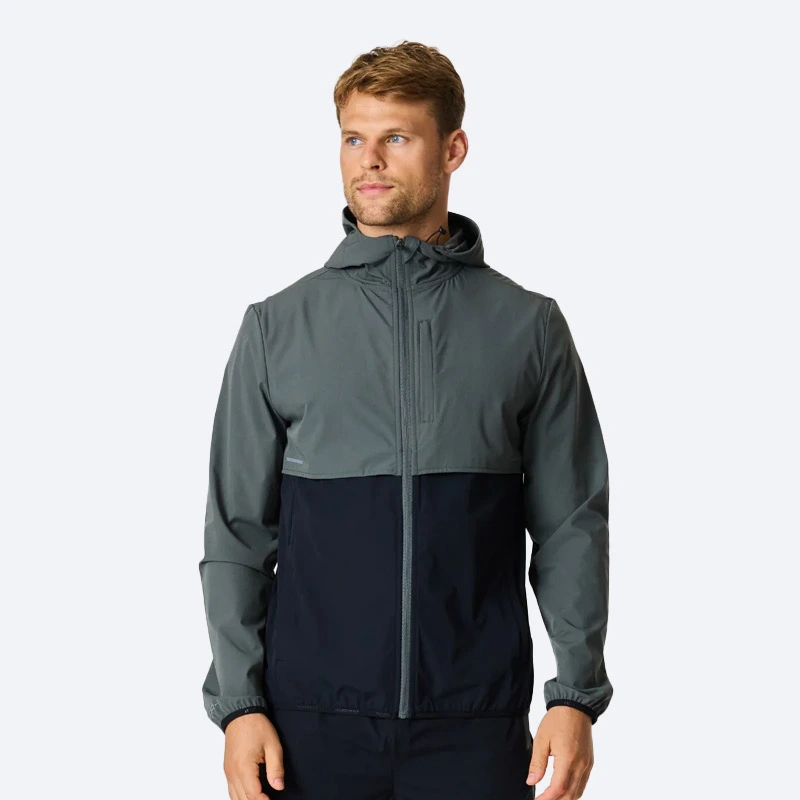
Lastly, don’t forget about the importance of layering. Weather can change rapidly, and having the right layers can make a big difference in your comfort level. Lightweight, packable jackets can provide protection against wind and light rain, while thermal layers are essential for cooler rides.
In summary, investing in high-quality cycling wear is a smart choice for anyone serious about cycling. The right clothing can enhance comfort, improve performance, and ensure safety on the road. By understanding the various elements of cycling apparel—such as moisture management, fit, padding, visibility, and style—you can select the best options to help you enjoy every ride to the fullest.
One of the primary functions of cycling wear is to regulate body temperature. Most cycling garments are crafted from moisture-wicking materials that draw sweat away from the skin, keeping you dry and comfortable. This is especially important during longer rides or in warmer climates. Look for fabrics that provide breathability and quick-drying capabilities, as these will help maintain a consistent body temperature.
Another critical aspect of cycling wear is its fit. Cycling clothing is typically tighter than regular sportswear, which minimizes wind resistance and improves aerodynamics. This snug fit allows cyclists to cut through the air more efficiently, ultimately enhancing performance. It’s important to choose garments that fit well without being restrictive; most brands offer a range of sizes to accommodate different body shapes.
Padding is another significant feature found in many cycling shorts and bibs. This padding, or chamois, provides cushioning and reduces friction during rides, making long-distance cycling more comfortable. When selecting cycling shorts, consider the thickness and material of the padding, as this can greatly affect your comfort level on extended rides.
Cycling wear often incorporates reflective elements for safety. Visibility is a key concern for cyclists, especially when riding in low-light conditions. Look for garments that feature reflective stripes or logos, which can enhance your visibility to motorists and other road users.
In addition to these functional aspects, the style of cycling wear has evolved significantly. Today’s cycling apparel is available in a myriad of colors and designs, allowing cyclists to express their personal style while on the bike. Whether you prefer classic designs or bold patterns, there is cycling wear to suit every taste.
Lastly, don’t forget about the importance of layering. Weather can change rapidly, and having the right layers can make a big difference in your comfort level. Lightweight, packable jackets can provide protection against wind and light rain, while thermal layers are essential for cooler rides.
In summary, investing in high-quality cycling wear is a smart choice for anyone serious about cycling. The right clothing can enhance comfort, improve performance, and ensure safety on the road. By understanding the various elements of cycling apparel—such as moisture management, fit, padding, visibility, and style—you can select the best options to help you enjoy every ride to the fullest.
Cycling Wear




Whatsapp/Phone
Email(Terry)
Email:
Address
No.926 NanHuan Road,ChangTai Street,LiCheng District,Quanzhou,FuJian,China.