









13
2026
-
05
Finding Your Fit: The Ultimate Guide to Running Wear Sizing
Author:
Finding Your Fit: The Ultimate Guide to Running Wear Sizing Table of Contents Understanding Running Wear Sizing Importance of Proper Sizing for Runners How to Measure Your Body for Running Wear Types of Running Wear and Their Sizing Variations Brand-Specific Sizing Charts Tips for Selecting the Right Running Wear Common Mistakes to Avoid When Choosing Running Gear
Finding Your Fit: The Ultimate Guide to Running Wear Sizing
Table of Contents
- Understanding Running Wear Sizing
- Importance of Proper Sizing for Runners
- How to Measure Your Body for Running Wear
- Types of Running Wear and Their Sizing Variations
- Brand-Specific Sizing Charts
- Tips for Selecting the Right Running Wear
- Common Mistakes to Avoid When Choosing Running Gear
- Frequently Asked Questions About Running Wear Sizing
- Conclusion
Understanding Running Wear Sizing
Choosing the right size for running wear is crucial for both performance and comfort. Unlike casual clothing, running apparel is designed to fit snugly against the body to minimize chafing and maximize aerodynamics. A proper fit can help prevent distractions during your run and optimize your overall experience.
The Role of Fabric and Fit
Running wear is typically made from moisture-wicking materials that help regulate body temperature and keep you dry. Understanding how these fabrics behave is essential. For instance, tight-fitting gear may provide better compression and support, while looser options allow for more airflow. Knowing your preference can guide your sizing choices.
Importance of Proper Sizing for Runners
Wearing the correct size running attire affects your performance in numerous ways:
Enhanced Comfort
Proper sizing means less friction and chafing, a common issue among runners. Well-fitted clothes allow for a full range of motion without binding or slipping.
Improved Performance
Running in attire that fits well minimizes distractions, allowing you to focus on your pace and breathing rather than adjusting your clothing.
Injury Prevention
Ill-fitting gear can lead to discomfort and even injuries. Compression wear, for example, can support muscles and reduce fatigue if sized correctly.
How to Measure Your Body for Running Wear
Before purchasing running gear, you need to take accurate measurements of your body. Here’s how to do it effectively:
1. Gather Your Tools
You'll need a flexible measuring tape, a notepad, and possibly a friend to help with measurements.
2. Measure Key Areas
- **Chest**: Wrap the tape around the fullest part of your chest, ensuring it’s snug but not tight.
- **Waist**: Measure at your natural waistline, typically just above the belly button.
- **Hips**: Stand with your feet together and measure around the fullest part of your hips.
- **Inseam**: Measure from the top of your inner thigh to just below your ankle for pants and shorts.
3. Record Your Measurements
Write down your measurements and compare them to the sizing charts provided by manufacturers.
Types of Running Wear and Their Sizing Variations
Understanding the types of running wear will help you select the right items for your wardrobe. Here are the most common types:
1. Running Tops
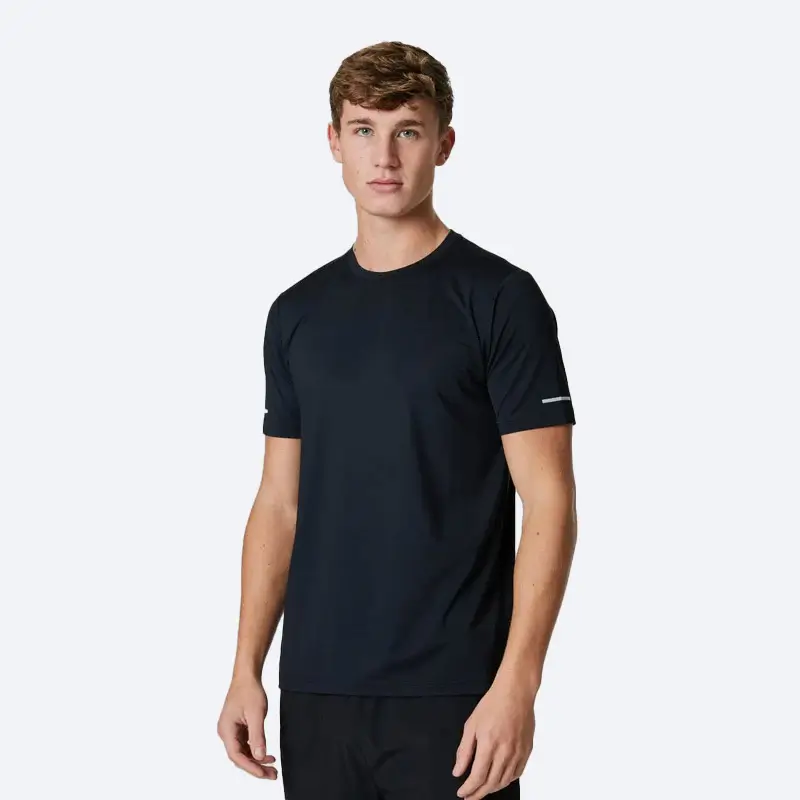
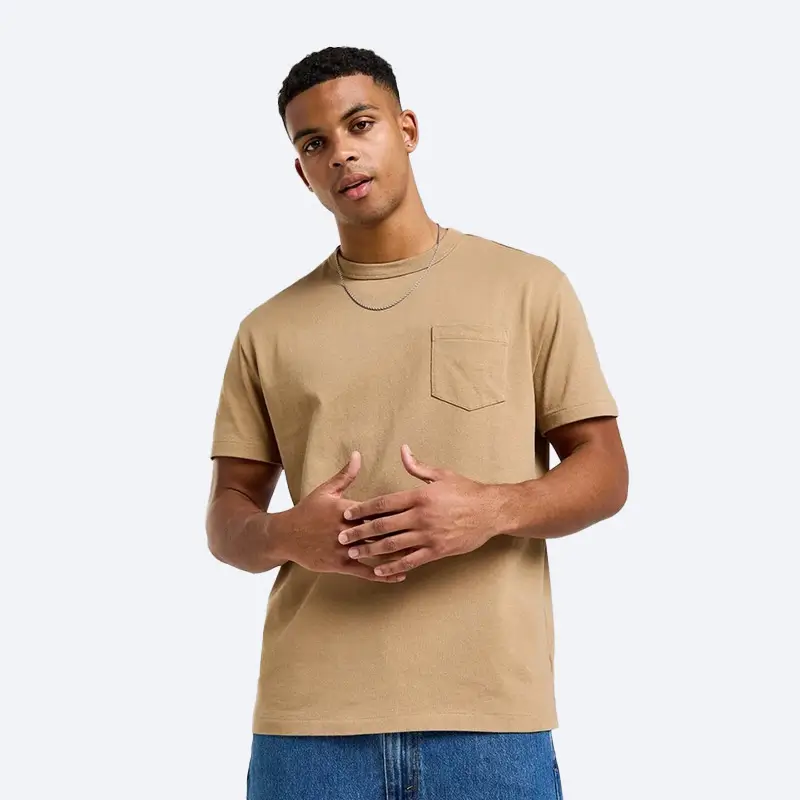
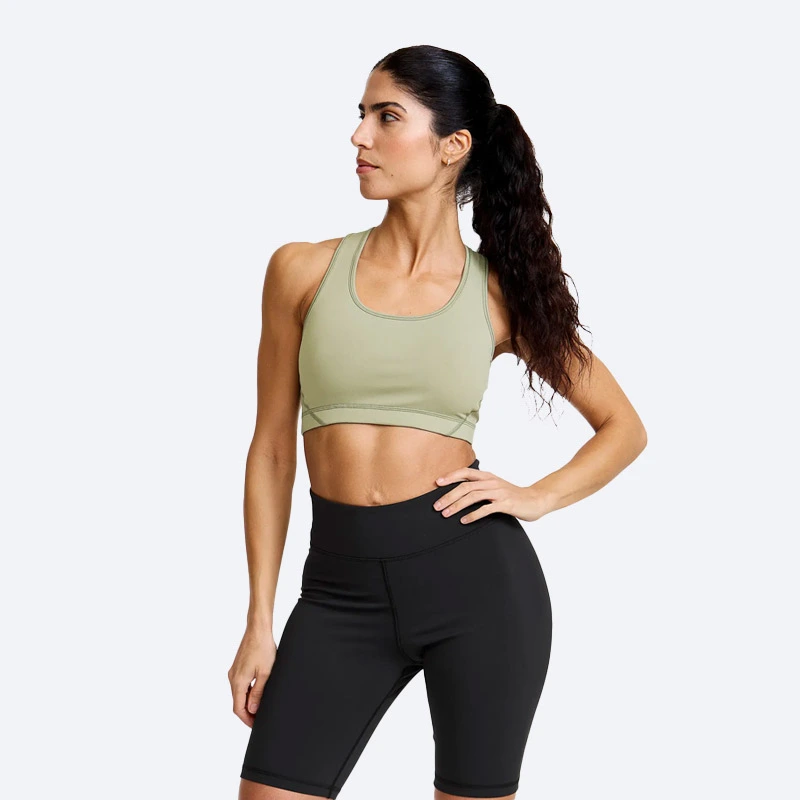
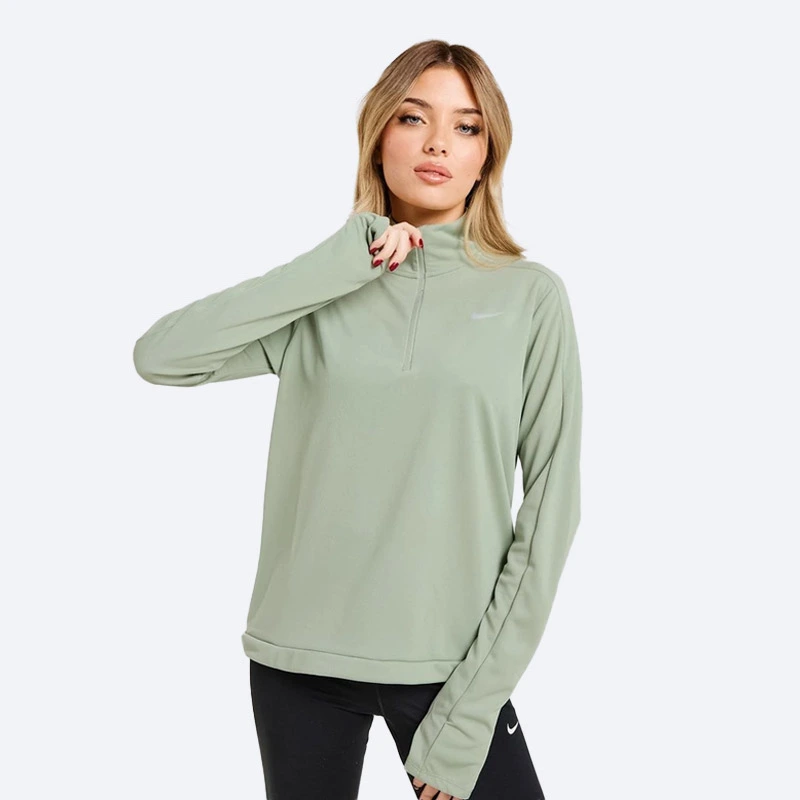
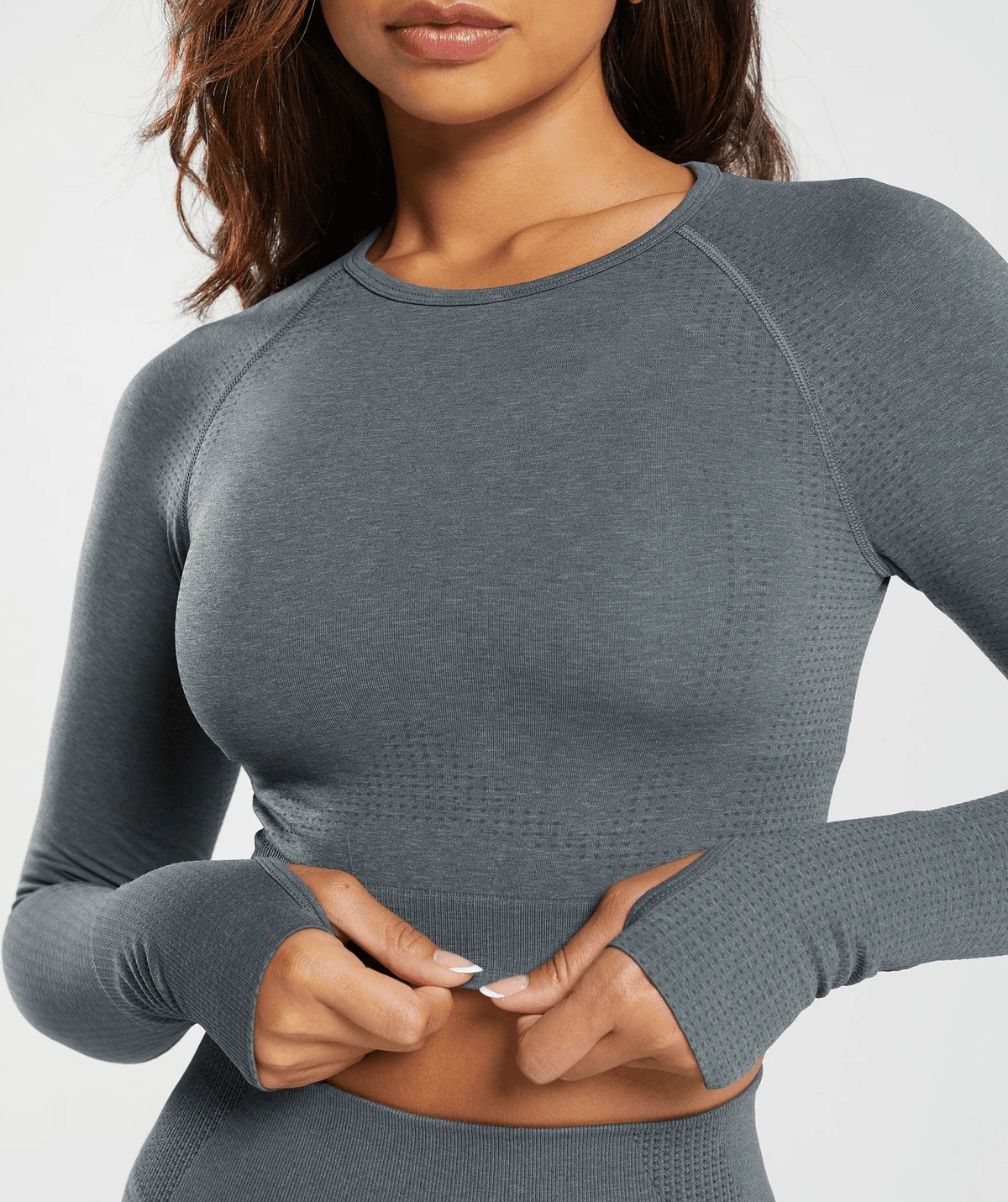
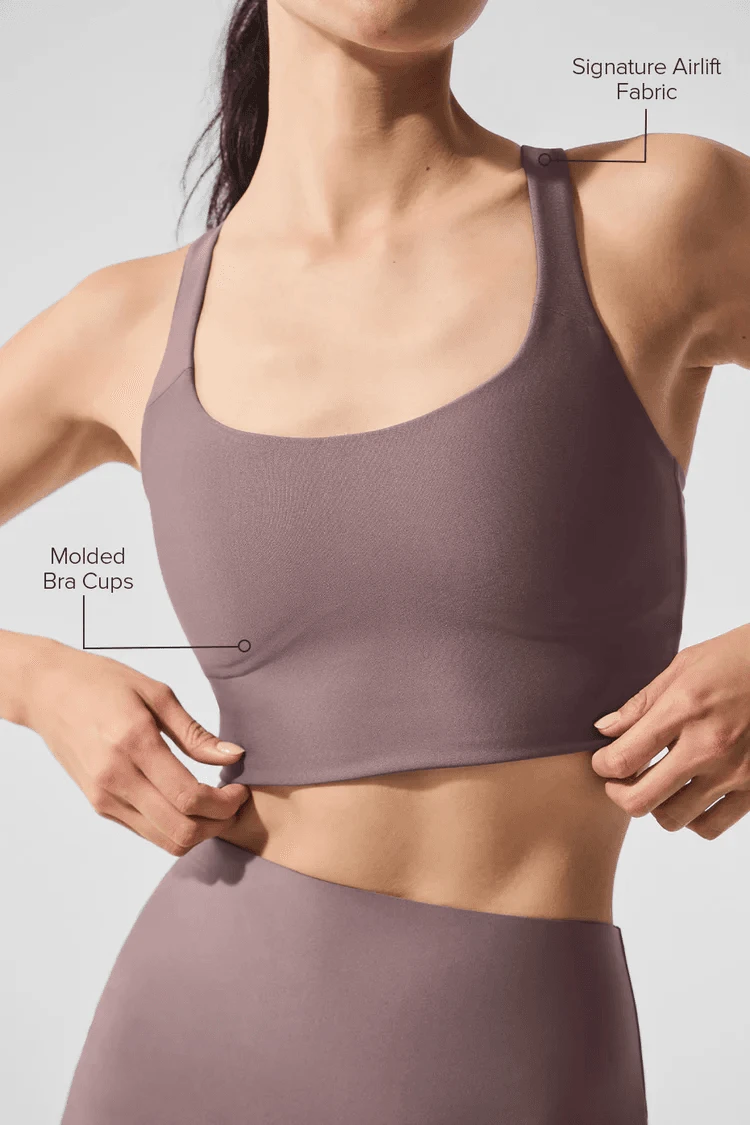
Running tops can range from tank tops and t-shirts to long-sleeve options. Sizing may differ based on the fit (slim, regular, relaxed), so be sure to consult the brand's sizing guide.
2. Running Bottoms
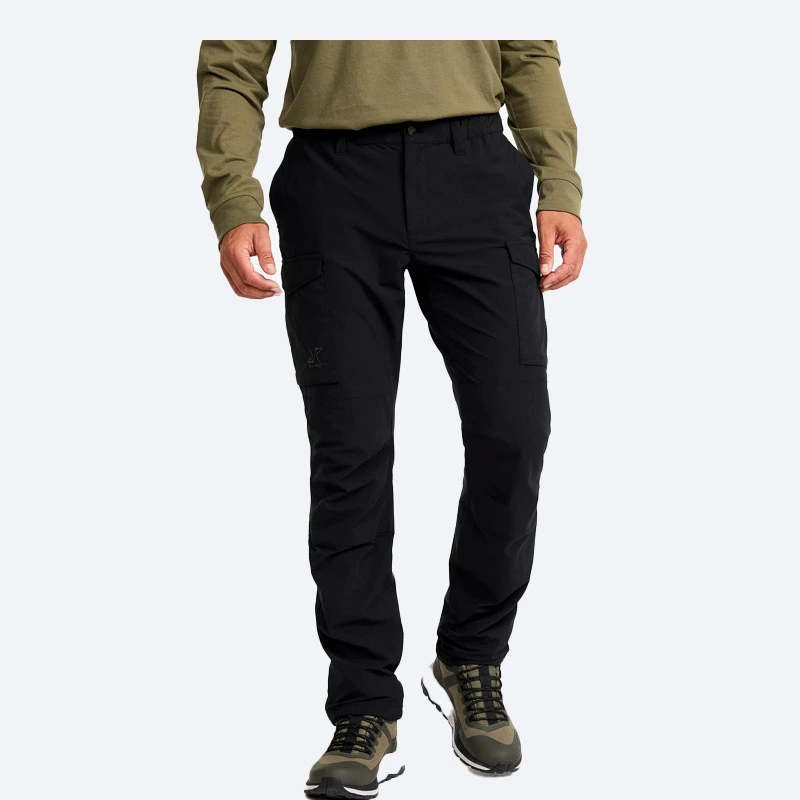
Pants, shorts, and tights are crucial elements of your running gear. Look for options with waistbands that provide a comfortable fit without digging into your skin.
3. Outer Layers
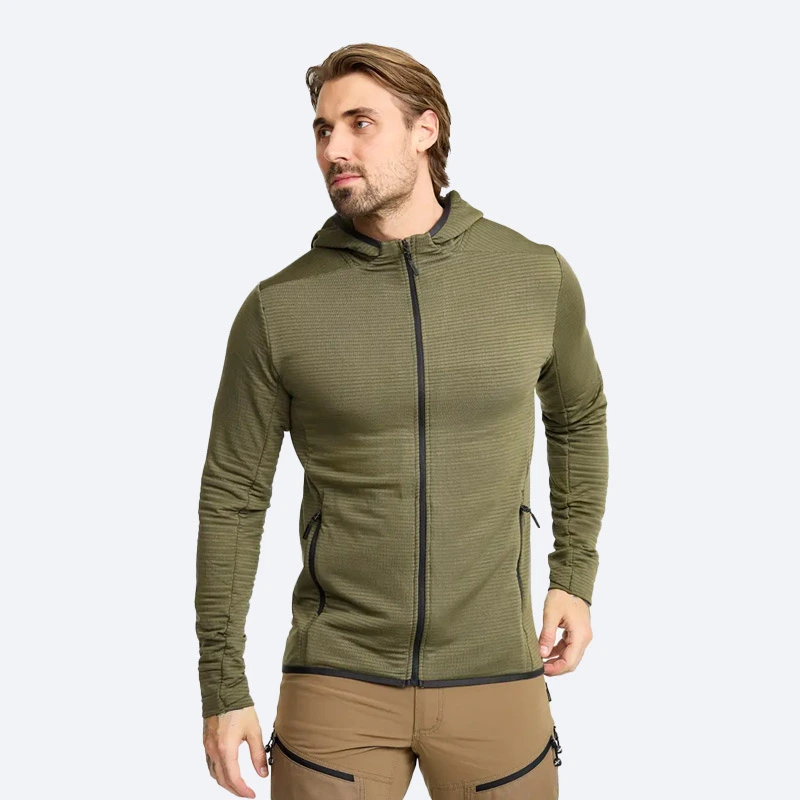
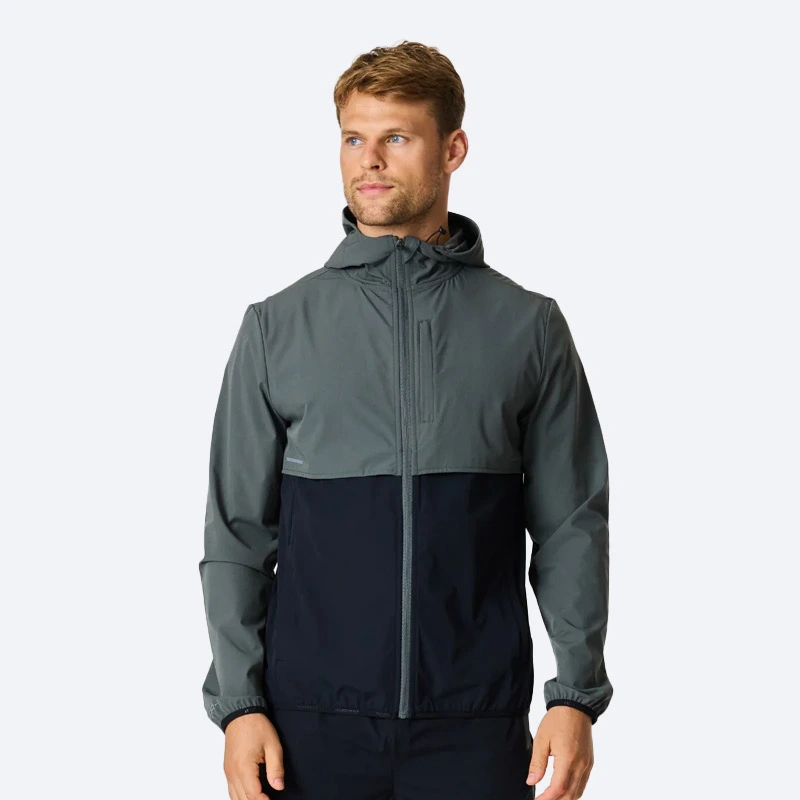
For colder weather, layering is essential. Jackets and vests should fit comfortably over your base layers without restricting movement.
4. Footwear
Although not clothing, the right shoes are vital for any runner. Proper sizing varies by brand and model, so always try shoes on toward the end of the day when your feet are slightly swollen.
Brand-Specific Sizing Charts
Different brands may have their own sizing charts, which can vary significantly. When shopping for running wear, it’s critical to refer to these charts:
1. Popular Brands
- **Nike**: Known for a snug fit; often recommends sizing up for comfort.
- **Adidas**: Generally true to size, but some styles may run smaller.
- **Under Armour**: Tends to have a tighter fit, especially in compression gear.
2. Specialty Brands
Brands like Lululemon and New Balance offer specific lines for different body types, making it easier to find the right fit.
Tips for Selecting the Right Running Wear
To enhance your shopping experience, consider these tips:
1. Try Before You Buy
Whenever possible, try on running gear before purchasing. This can save you time and ensure a better fit.
2. Pay Attention to Reviews
Customer reviews can provide helpful insights regarding fit and comfort.
3. Check Return Policies
Before making a purchase, review the brand’s return policy, especially if you are trying a new size or style.
4. Choose Versatile Pieces
Select items that can be easily layered or mixed and matched with other pieces for maximum usability.
Common Mistakes to Avoid When Choosing Running Gear
Although the process can seem straightforward, runners often make several common mistakes:
1. Ignoring Sizing Charts
Always refer to sizing charts and take your measurements. Brands can vary widely in their sizing.
2. Focusing Solely on Brand Loyalty
Don’t assume that your favorite brand will always fit the same way. Different styles and lines can have different fits.
3. Overlooking Fabric Types
Not all fabrics are created equal. Understand the benefits of moisture-wicking, breathable, and stretchy materials.
Frequently Asked Questions About Running Wear Sizing
1. How do I know if my running wear fits properly?
A proper fit should feel snug but comfortable, allowing for full range of motion without any pinching or chafing.
2. Should I size up for running wear?
It depends on the brand and your personal comfort preference. Some runners prefer a looser fit, while others go for a more fitted feel.
3. Can I wear regular clothes for running?
While you can, specific running apparel is designed to enhance comfort and performance, making it a better choice.
4. What should I do if I'm between sizes?
Consider the type of fit you prefer and also check if the brand has a generous return policy for exchanges.
5. Are there different sizes for men and women?
Yes, men's and women's running wear is typically sized differently, so always check the specific sizing guide for each gender.
Conclusion
Finding the perfect fit for your running wear is essential for an enjoyable and effective running experience. By understanding the importance of proper sizing, measuring yourself accurately, and referring to brand-specific sizing charts, you can select apparel that enhances your performance. Avoiding common mistakes and following our tips will also streamline your shopping process. With the right gear, you'll be equipped to tackle any run, whether it's a casual jog or a competitive marathon. Happy running!
Running Wear



Whatsapp/Phone
Email(Terry)
Email:
Address
No.926 NanHuan Road,ChangTai Street,LiCheng District,Quanzhou,FuJian,China.